Food prices in Sri Lanka: current retail examples and a practical guide
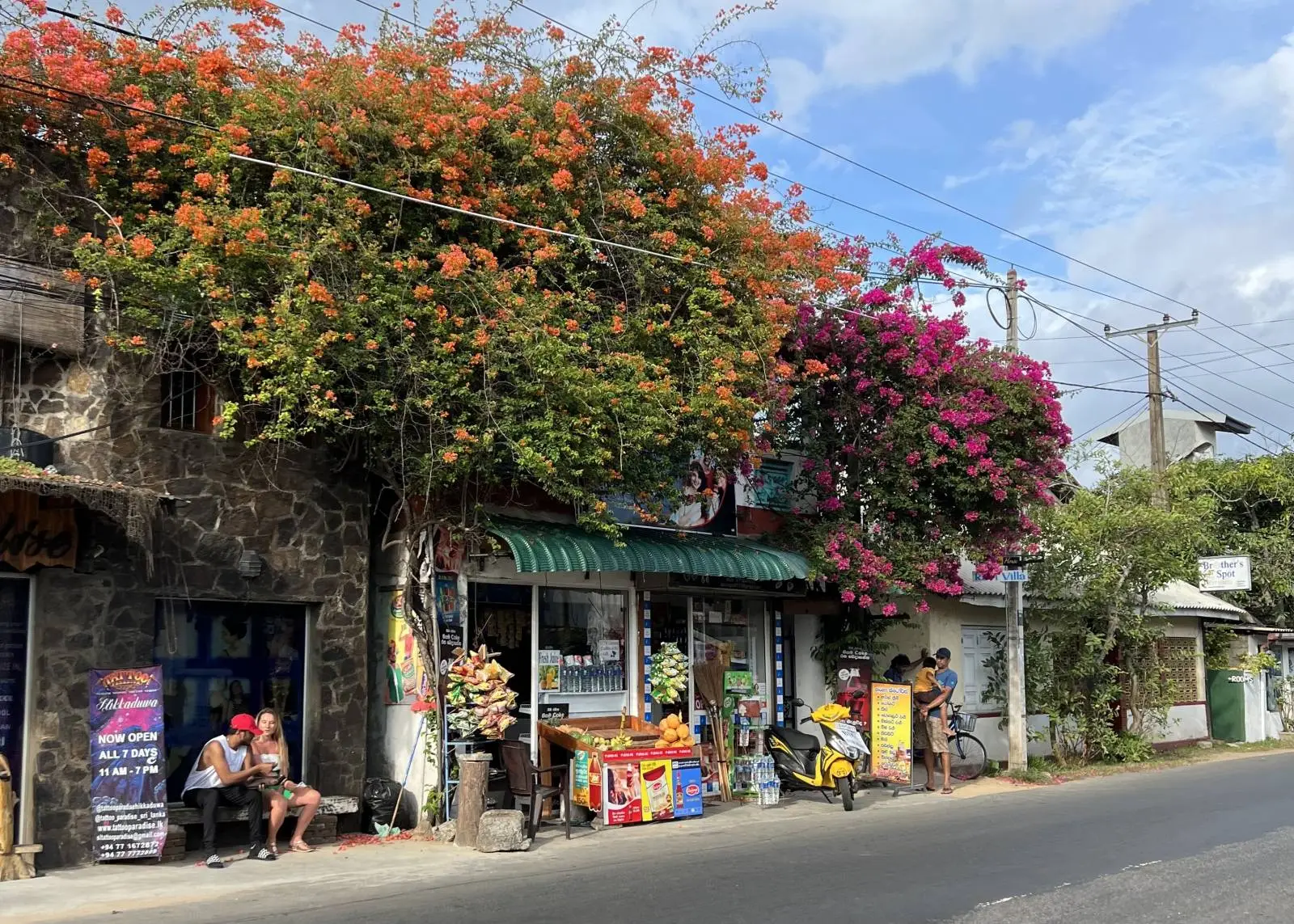
Every Sunday we go to the market for fresh fruit and vegetables. That simple trip is still one of the best ways to feel the rhythm of everyday life in Sri Lanka: prices change with the season, the harvest, the place of purchase and even the individual seller. This article keeps the personal market perspective but replaces the old shopping list with dated, concrete figures that can help with a trip or a longer stay.
Important: the main table uses Sri Lankan rupees (LKR) from the latest official HARTI bulletin available when checked, covering 24–30 July 2026. These are retail observations for Colombo and suburbs. Hikkaduwa and other coastal resort areas may differ, so use them as a realistic baseline rather than a guaranteed price at a particular stall.
How to read the figures
HARTI reports both the observed retail range and an average. The range matters because the same item can vary by quality, size, district and day. The average is convenient for a first budget. Seasonal produce may be cheaper at a local market, while packaged supermarket goods usually have a printed price; promotions, pack sizes and imported products can change.
Concrete retail food prices
| Product | Retail range | Average |
|---|---|---|
| Samba 1 rice | 240–280 LKR/kg | 254.50 LKR/kg |
| Keeri Samba rice | 280–400 LKR/kg | 331.25 LKR/kg |
| Red dhal | 240–300 LKR/kg | 268.40 LKR/kg |
| Imported red onion | 350–600 LKR/kg | 481.30 LKR/kg |
| Imported potato | 200–250 LKR/kg | 224.29 LKR/kg |
| Carrot | 300–600 LKR/kg | 432.58 LKR/kg |
| Tomato | 400–600 LKR/kg | 522.76 LKR/kg |
| Cucumber | 120–300 LKR/kg | 205.94 LKR/kg |
| Green beans | 350–600 LKR/kg | 462.50 LKR/kg |
| Pumpkin | 200–320 LKR/kg | 271.94 LKR/kg |
| Large coconut | 160–190 LKR/piece | 175.00 LKR/piece |
| Ambul banana | 180–300 LKR/kg | 258.26 LKR/kg |
| Papaw | 180–280 LKR/kg | 225.38 LKR/kg |
| Large pineapple | 350–500 LKR/piece | 438.33 LKR/piece |
| King coconut | 180–300 LKR/piece | 230.00 LKR/piece |
| Brown egg | 43–48 LKR/piece | 45.46 LKR/piece |
| White egg | 41–46 LKR/piece | 43.53 LKR/piece |
| Broiler chicken | 1300–1460 LKR/kg | 1385.29 LKR/kg |
| Curry chicken | 1150–1350 LKR/kg | 1236.67 LKR/kg |
| Salaya fish | 600–1200 LKR/kg | 910.87 LKR/kg |
Higher-value items show an even wider spread. Karthakolomban mango averaged 737.50 LKR/kg, with a 650–1000 LKR/kg range. Shrimps averaged 2153.33 LKR/kg, with a 1500–2700 LKR/kg range. Kelawalla averaged 2788 LKR/kg and Thora 3937.33 LKR/kg. In other words, “fish” is not a useful budget category until the species and quality are clear.
An illustrative food basket
This is not a promised weekly budget, only an example calculated from HARTI averages: 2 kg of Samba 1 rice, 1 kg of red dhal, 1 kg each of tomatoes and cucumber, one large coconut, 10 white eggs, 1 kg of curry chicken and 1 kg of papaw. The total is approximately 3578.45 LKR. A real shop will differ when you choose seasonal vegetables or add fish, dairy, bread, spices, drinks and household goods.
The old personal market list was recorded in a different year, so its amounts should not be treated as current. Its useful lesson is to buy seasonal produce, compare several sellers and plan meals around what is reasonably priced now. That approach is more reliable than keeping one fixed list for the whole year.
Market or supermarket?
A market is convenient for fresh fruit, vegetables, coconuts, eggs and fish. Check the weight before paying, especially when produce is already cut or packed. A coastal tourist area does not necessarily match Colombo prices. Supermarkets make it easier to compare packages and read printed prices, but branded and imported goods may cost more than local seasonal alternatives.
In Hikkaduwa, make your own short comparison: visit one market, one ordinary shop and one larger supermarket, and record the price per kilogram or piece. Compare the same weight and quality. If you stay for several months, repeat the check after a couple of weeks because the seasonal best buys can change.
Alcohol, imported goods and exchange rates
I have not repeated the old fixed prices for beer, rum and arrack. They become outdated quickly, depend on a licensed shop and taxes, and are not part of the comparable HARTI table used here. Check the current label at a licensed wine store and follow local sales rules.
Do not use an old “divide by 150” rule to convert LKR into dollars. Use the exchange rate on the date of purchase and write it next to your calculation. Also separate food, transport, connectivity, rent, household spending and cafés: one food table cannot describe the cost of an entire winter stay.
Conclusion
Sri Lankan food costs cannot be reduced to one fixed amount: season, location and shop all matter. Concrete ranges and averages do give you a better starting point than an old list with no date. For Hikkaduwa, use this table as a baseline and check local prices before a large shop. The latest HARTI bulletin and its later issues can help refresh the estimate when harvests, exchange rates or retail conditions change.
Sources: HARTI — weekly food price bulletins; HARTI — bulletin for 24–30 July 2026; Department of Census and Statistics — weekly retail prices.
Read also
All articles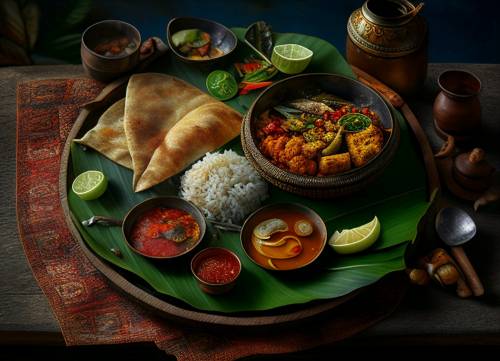
Dishes you must try in Sri Lanka
What to eat in Sri Lanka: rice and curry, fish ambul thiyal, chicken curry, kottu, roti, hoppers, string hoppers, sambols, sweets, fruit and tea, with…
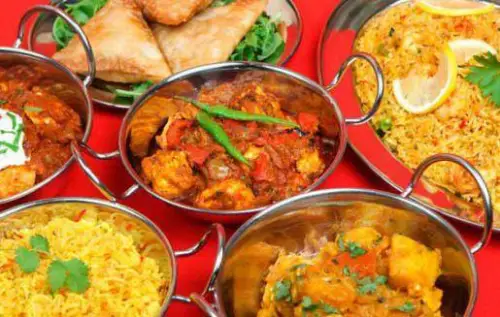
Sri Lankan cuisine: dishes to try and practical food tips
What to try in Sri Lanka: rice and curry, hoppers, kottu, sambols and seafood, with practical advice about heat, restrictions and hygiene.

Flights and visas for Sri Lanka
How to choose flights to Sri Lanka and check ETA, visas, arrival airports and entry documents before travelling.

Wintering in Sri Lanka: Areas, Budget, Visa and Daily Life
A practical plan for wintering in Sri Lanka: legal status, coast, housing, costs, internet, health and safety.

Sri Lanka or Mauritius: Which Is Better for a Holiday, Long Stay, or Remote Work?
A practical Sri Lanka and Mauritius comparison covering beaches, seasons, wildlife, transport, visas, remote work, costs and the travel style each island suits.

Things to Do in Sri Lanka: Ideas, Seasons and Planning
A practical guide to Sri Lanka: culture, wildlife, beaches, safaris, hiking, food, markets, wellness and itineraries shaped by season and real conditions.






Comments
Share your thoughts or ask a question about this article.