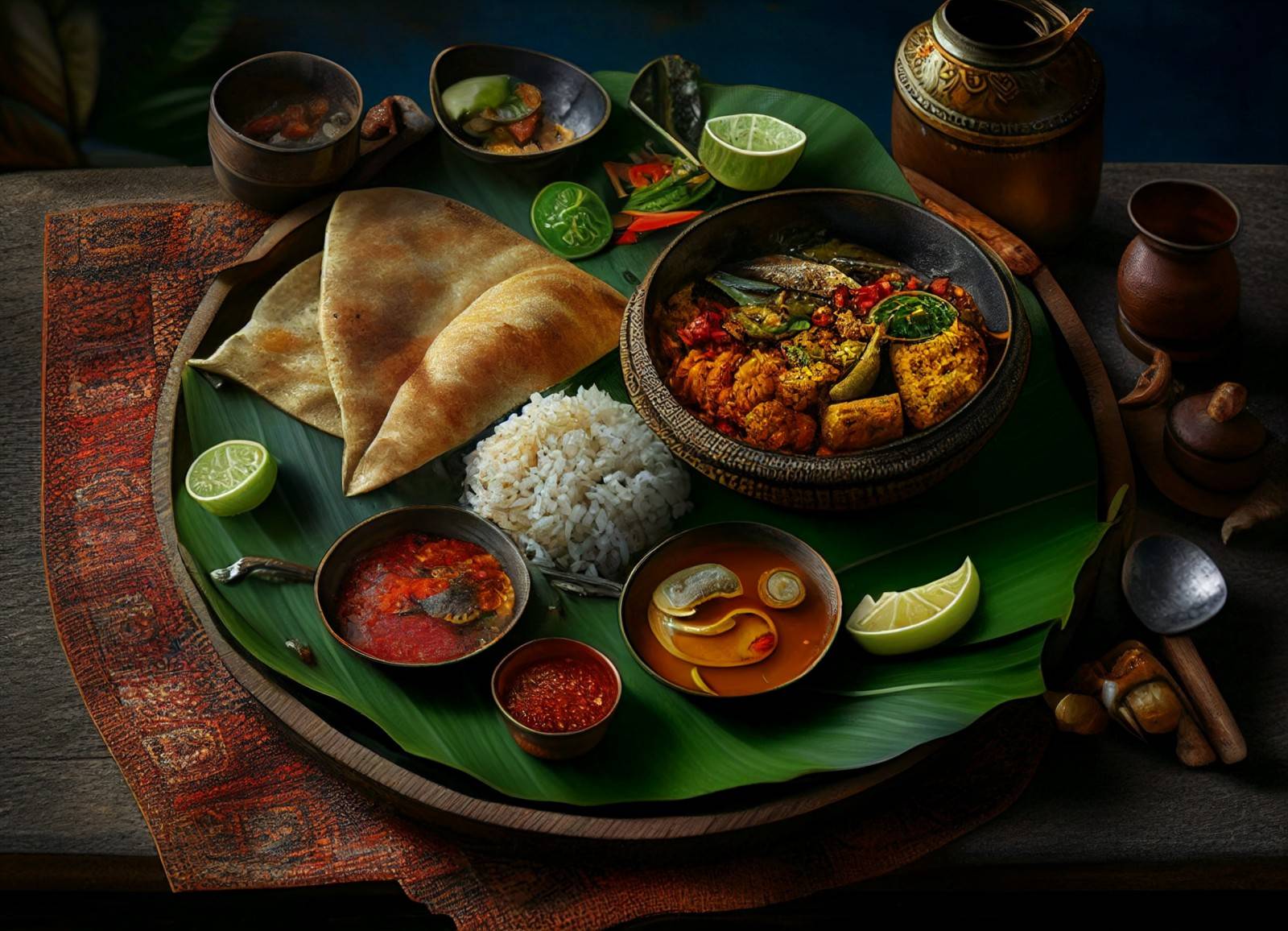
“The Tear of India” and “the Pearl of the Indian Ocean” are only two of the names used for Sri Lanka. Another honest description would be this: it is an island of rice and curry.
Local fruit, especially coconut and jackfruit, seafood and a full cupboard of spices give Sri Lankan cooking an extraordinary range. This article introduces dishes you are likely to meet in different parts of the island. Recipes, heat levels and portion sizes vary from one café to the next, so use the list as a guide rather than a fixed classification.
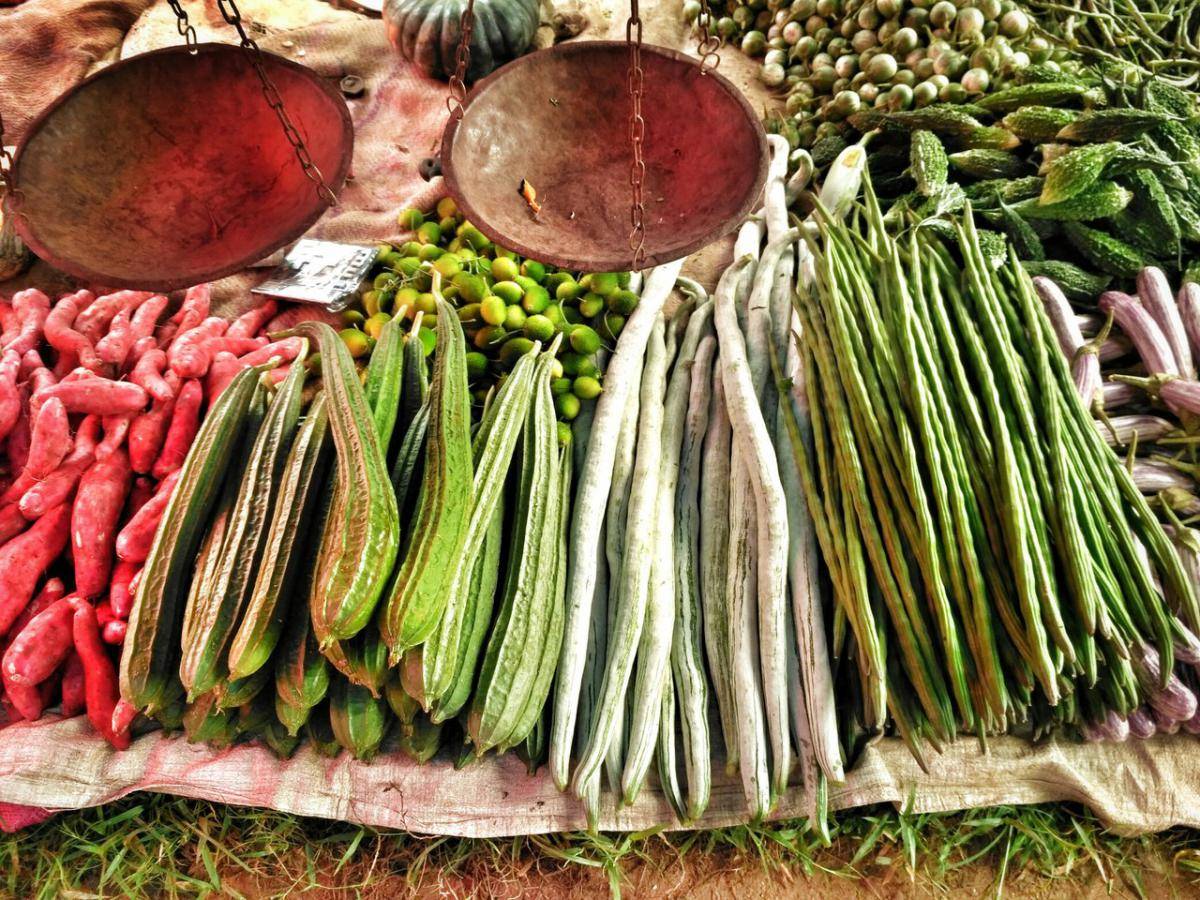
Rice and Curry
Rice with several curries is one of Sri Lanka’s main complete meals. A plate may include rice, vegetable, lentil, fish or meat curry, papadum, sambol, pickles and a green side. The selection is not fixed: one place may serve several small bowls, while another puts everything beside a mound of rice. If you do not eat meat or fish, ask for a vegetarian set before ordering.
Heat varies widely. Coconut milk can soften a curry, but sambols and fresh chilli may be very hot. “No spicy” does not always mean no chilli at all, so explain that you cannot tolerate hot food and ask for chilli or sauce on the side. If you have an allergy, ask about nuts, prawns, fish, eggs, dairy and soy because recipes and kitchen practices differ.
Fish Ambul Thiyal
Seafood naturally plays an important role in an Indian Ocean island’s cuisine. Ambul thiyal is a dry, sour and spiced fish curry, often made with firm fish. Pieces are combined with black pepper, cinnamon, turmeric, garlic, pandan and curry leaves. A key ingredient is goraka, a Garcinia fruit that gives the dish its characteristic sourness. It is cooked slowly with little liquid so the spices coat the fish and is usually served with rice. Do not guess how long a homemade or restaurant dish can safely be stored: choose a fresh hot portion and follow ordinary food-safety precautions.
Chicken Curry — Kukul Mas Curry
Chicken curry is often an approachable starting point if you are not yet ready for a very hot fish curry. There are many versions: some fry the spices first, while others add coconut milk, curry leaves, pandan, lemongrass and chilli. Ask how hot it is and taste a small amount of sauce with rice before taking a larger serving.
Kottu and Roti
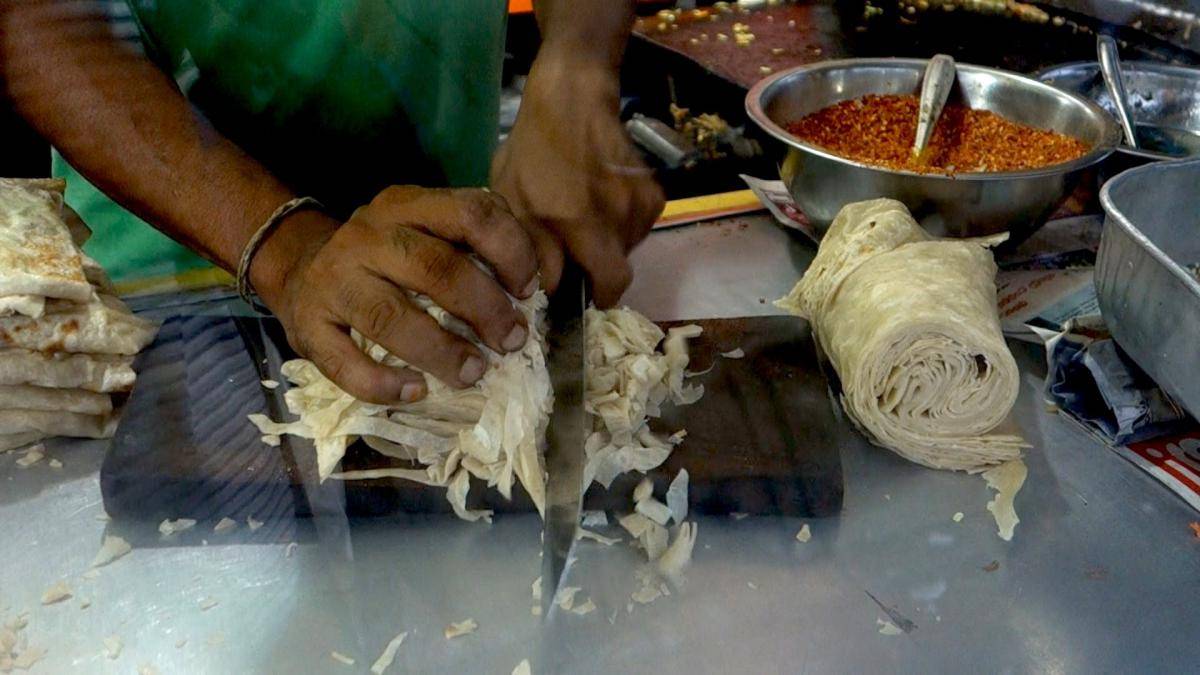
Through the noise of a Sri Lankan market you may hear metal striking metal: kottu is being prepared nearby. It is chopped gothamba roti cooked with vegetables, egg, cheese, chicken, meat or fish on a hot metal plate with spices and sauce. Kottu is filling and can be very spicy. Portion size depends on the place, so do not automatically assume one order will serve two.
Roti is a fried flatbread served with curry and sambol or filled with vegetables, egg, meat or fruit. Sweet versions may contain banana, coconut or chocolate. It can be a useful breakfast or snack. For street food, choose a busy place where the food is cooked in front of you and turnover is high.
Hoppers (Appa)
Hoppers are bowl-shaped pancakes made from fermented rice batter with coconut milk. The edges become thin and crisp while the centre stays soft. A plain hopper is eaten with curry or sambol; an egg hopper has an egg cooked in the middle. Sweet versions also exist, but a hopper is not necessarily a dessert. Look for them in cafés used by local residents, often in the morning or evening, and ask when the next batch will be ready.
String hoppers are fine nests of steamed rice noodles. They are served with curry, coconut sambol or a lentil sauce and are a good way to try several flavours in a lighter meal.
Pol Sambol and side dishes
Pol sambol combines grated coconut, chilli, onion, salt and sour juice, and is served in small portions with rice, roti and hoppers. Lunu miris is made with onion, chilli, salt and lime and may be much hotter than it looks. Papadum adds crunch, while dhal curry is often milder than meat or fish versions. These sides help you understand a Sri Lankan plate, but they are not included in every menu.
Sri Lankan sweets
Sri Lanka is a wonderful place for anyone with a sweet tooth. Desserts use coconut, treacle, rice, sesame and milk, alongside baked goods and festive sweets.
- kiri toffee or milk toffee is a firm fudge-like sweet made with milk or condensed milk, sugar and butter, sometimes with vanilla and cashew;
- kokis is a crisp rice-flour and coconut-milk biscuit fried in a special metal mould. It is not necessarily syrupy; the sweetness depends on the recipe;
- kiribath is rice cooked with coconut milk and cut into pieces. It is not only a dessert: it may be eaten for breakfast with lunu miris, sambol, treacle or banana;
- watalappan is a dense coconut custard made with eggs and palm sugar, often flavoured with cardamom, nutmeg and cashew;
- buffalo curd is a thick cultured dairy product usually served in a clay pot with palm syrup or fruit. Ask about the ingredients if you avoid dairy.
Fruit, short eats and drinks
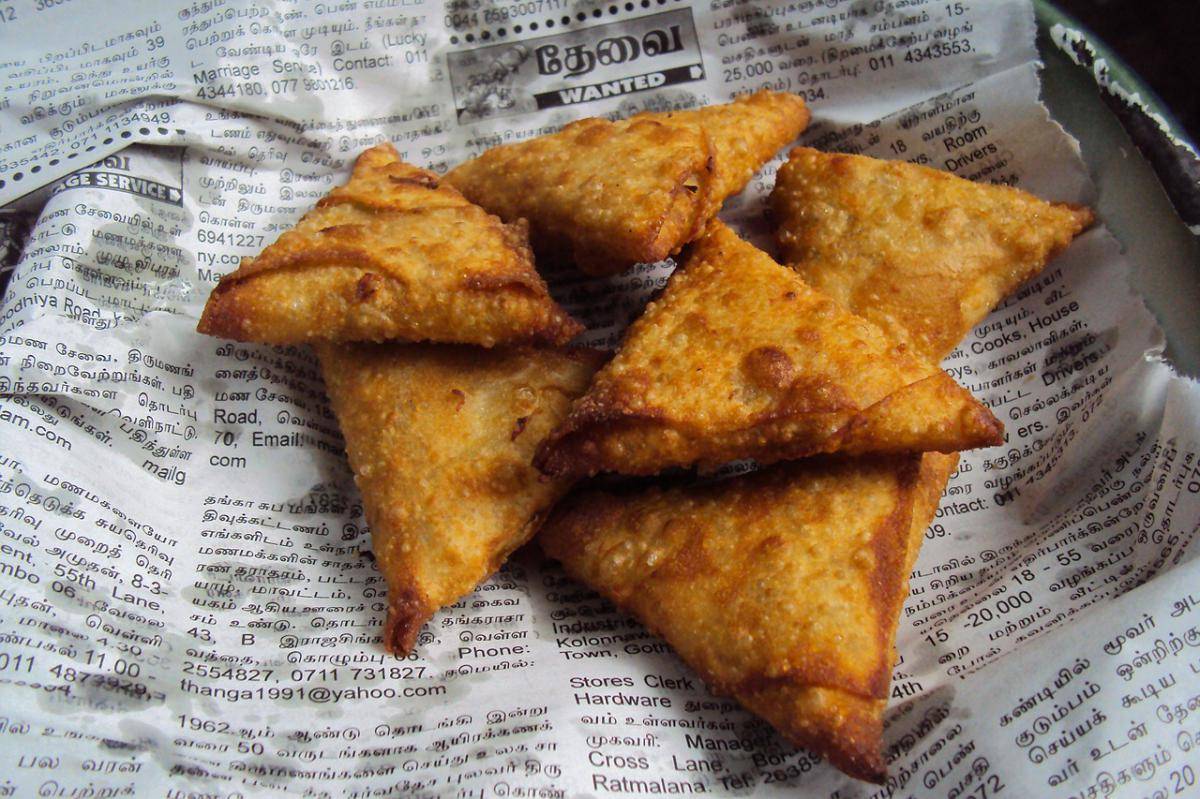
Bananas, pineapple, mango, papaya, rambutan, mangosteen and other local fruit are everywhere. You can buy them whole, cut or as juice. Samosas, cutlets, fish buns, rolls, isso wadei and other short eats are convenient snacks. Choose hot items with a quick turnover, and be cautious with pre-cut fruit and drinks containing ice if you do not know the water source.
Sweet milk tea is common across the island, while plain black tea lets you compare regional flavours. Ask the price first, especially when food is sold by weight or the cost depends on the size of the fish. For a first order, choose one main dish, request moderate heat and keep sambols or sauces on the side.
Explore Sri Lankan food with curiosity, but never feel obliged to tolerate something that does not suit you. Ask about ingredients, mention allergies, avoid food with a suspicious smell and seek medical help for a severe reaction. Food is one of the best ways to meet a country and its traditions when pleasure is balanced with common sense.
Sources: Sri Lanka Tourism — Food; Sri Lanka Tourism — Culinary Tourism; Sri Lanka Tourism — Food Range; Sri Lanka Tourism Development Authority — registered eating places.