Sri Lanka can give you several different holidays in one small island: ancient ruins in the morning, tea hills in the afternoon and an ocean-side dinner in the evening. But it does not fit a list of guaranteed experiences. Season, waves, rain, road conditions, opening hours and protected-area rules can change a plan. This guide explains what to do in Sri Lanka and how to choose activities for your time, budget and fitness level.
Choose a region and season first
The island has several climate patterns. Sri Lanka Tourism describes four broad periods: the first inter-monsoon in March–April, the southwest monsoon in May–September, the second inter-monsoon in October–November and the northeast monsoon in December–February. Use this as a planning framework, not a promise for one beach. It can rain on the southwest coast while the dry zone is bright and the hills are covered in mist.
For beaches and boat trips, check the coast, forecast and sea conditions first. For temples, safaris and hikes, keep a spare day: a trail may become slippery, a park may change access conditions and a road may take longer than expected. Do not try to combine every coast, the Cultural Triangle, Ella and a safari in a short holiday. Distances on the map are misleading, and the journey is part of the experience.
The Cultural Triangle and cities
The classic Cultural Triangle connects Anuradhapura, Polonnaruwa and Sigiriya. All three are UNESCO World Heritage properties, but that does not mean they should be rushed into one day. Anuradhapura is a large area of ancient monasteries, stupas and sacred places; Polonnaruwa introduces the ruins of a medieval capital; Sigiriya is a rock fortress and archaeological complex with a climb that needs time and suitable shoes.
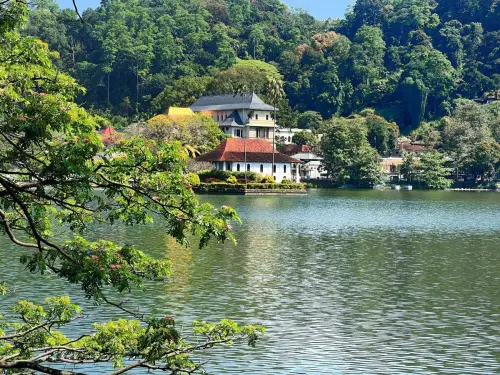
Kandy is worth choosing for more than the Temple of the Tooth. It has a lake, museums, markets and access to the central hills. The temple remains an active religious site: covered shoulders and knees, removing shoes where requested, quiet behaviour and respect for worship matter more than a perfect photograph. Dambulla is another living temple complex. UNESCO highlights five cave shrines, 157 statues and about 2,100 square metres of murals. Check opening arrangements, tickets and photography rules before visiting.
Galle and its fort offer a different cultural walk: ramparts, colonial buildings, small museums, cafés and ocean views. Colombo is better understood as a modern commercial and port city, with museums, markets, temples, Galle Face Green and neighbourhoods with different characters. Do not describe the promenade as a guaranteed swimming beach, and allow extra time for traffic.
Nature and wildlife
Sri Lanka is convenient for nature trips because dry zones, wet forests, mountains, lagoons and coastlines are close together. A national park is not a zoo. Seeing an elephant, leopard, sloth bear, bird or whale depends on season, route, time and animal behaviour.
Safaris. Yala, Wilpattu, Udawalawe, Minneriya and other parks suit different plans. Yala is often chosen for leopard searches, Udawalawe for elephants, Wilpattu for forest and lakes, and Minneriya for dry-season herds near the reservoir. Sri Lanka Tourism describes the Elephant Gathering and notes that numbers change. Compare the route, entry permission, group size, vehicle and distance rules rather than a promise in an advertisement. Never feed animals or ask a driver to move too close.
Whales and dolphins. Mirissa and other coastal centres offer boat trips, but departures depend on waves, wind and the operator’s decision. A sighting is never guaranteed. Ask whether the company is registered, what the price includes, what happens if the sea cancels the trip and how the crew keeps distance from animals. If you get seasick, prepare in advance and avoid scheduling a long transfer immediately afterwards.
Gardens and forests. The Royal Botanic Gardens in Peradeniya are an easy way to explore plants near Kandy. Sinharaja Forest or the cloud landscapes of Horton Plains require shoes for wet ground, rain protection, water and time. Stay on permitted trails, keep quiet and do not remove plants. For a remote or weather-sensitive route, confirm access and whether a guide is required.
Beaches, swimming and water activities
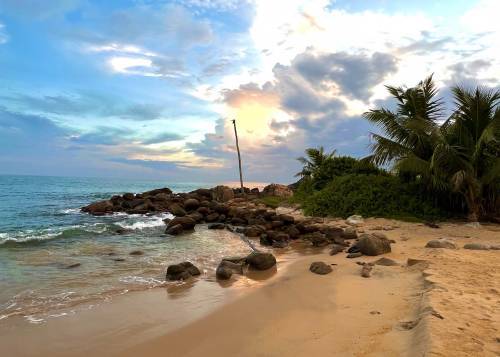
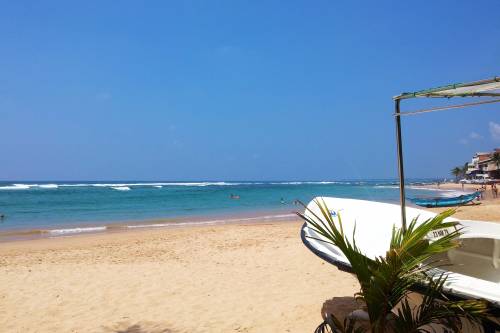
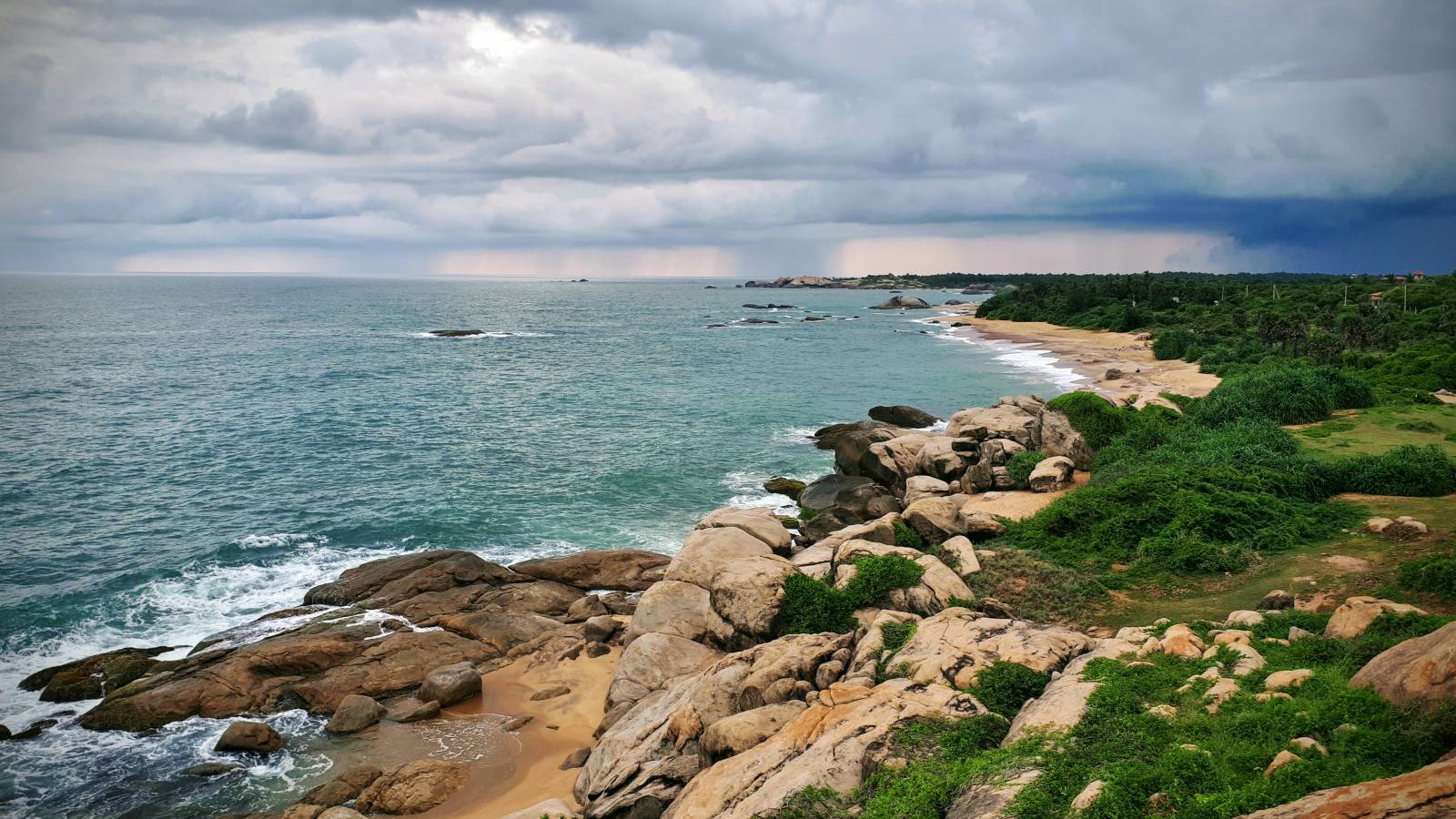
A Sri Lankan beach is not one universal product. Unawatuna, Hikkaduwa, Mirissa, Bentota, Trincomalee, Negombo and Arugam Bay differ in waves, reefs, currents, infrastructure and season. Sri Lanka Tourism’s weather guidance points to roughly December–February as a favourable period for the southwest coast, while during the southwest monsoon the north and east are more likely to be dry. This is a guide, not a guarantee of calm water.
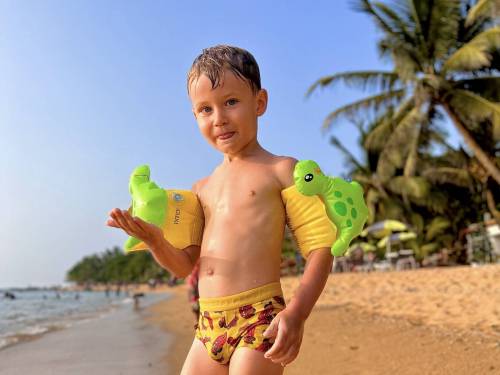
Swimming and snorkelling. Do not enter the water just because it looks calm in a photograph. Ask lifeguards, instructors or trusted local staff about currents, reefs, tide and exit points. Hikkaduwa and Unawatuna can be good places for snorkelling, but coral must not be touched or broken and marine life must not be fed. Sun protection, water, footwear for a rocky bottom and skipping the sea during rough conditions are more useful than the phrase “crystal clear”.
Surfing and water sports. Arugam Bay is known for surfing on the east coast, while Weligama is often used for first lessons on the south coast; the right spot depends on skill and season. Bentota, Kalutara, Beruwala, Hikkaduwa and other resorts offer water activities. Before paying, check equipment, life jacket, briefing, instructor qualification, boat condition and cancellation terms. SLTDA guidance for water skiing and wakeboarding emphasises safety briefings and rescue procedures. Do not go offshore alone if you do not understand local conditions.
Hiking and adventure
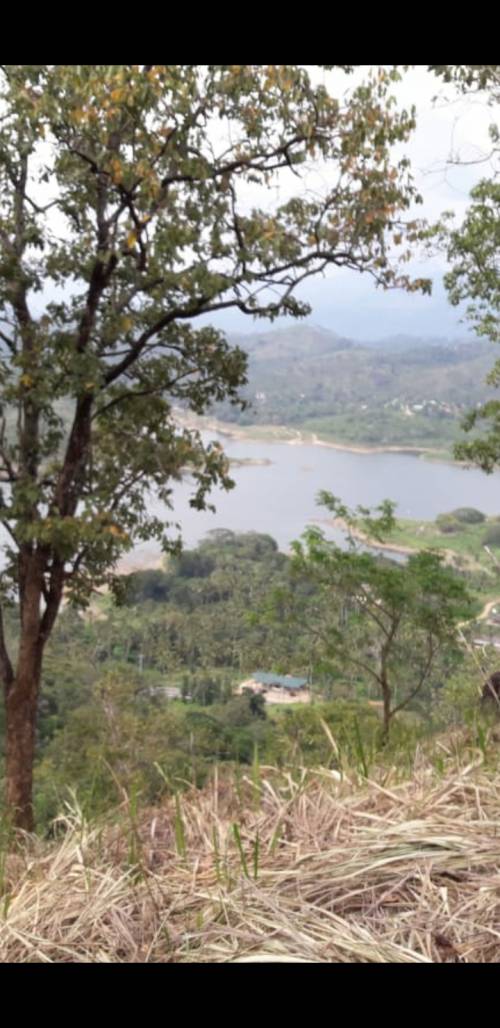
Short walks around Ella, Little Adam’s Peak, viewpoints and some waterfalls suit a relaxed day. Ella Rock, Knuckles, Horton Plains and the pilgrimage climb to Sri Pada need more preparation. Choose a route by time, elevation, heat, rain and return transport, not one beautiful photograph. Morning can be easier, but an early start does not replace checking trail conditions.
Rafting and kayaking on the Kelani River near Kitulgala depend on water level and the operator. Sri Lanka Tourism notes seasonality for rafting, so confirm the date. Ask about age and health limits, helmet, life jacket, briefing, group size and the plan if weather changes. For zip-lines, climbing and flights, choose a provider with clear safety procedures rather than only impressive photographs.
Food and drinks
The best way to explore Sri Lankan food is to try several formats rather than one “national dish”. Rice and curry usually means rice with several vegetable, fish or meat dishes, sambols and chutneys. Hoppers are bowl-shaped pancakes made from rice batter, string hoppers are fine rice noodles, and kottu is chopped roti cooked with vegetables, egg or meat. In coastal towns ask what is fresh today; at markets consider how cooked food is stored.
You can ask for less heat, although that may not mean no spices. Drink sealed bottled water, wash your hands and be cautious with raw food and ice where the water source is unclear. Try king coconut water and Ceylon tea, especially in tea country or from a seller who can explain the product’s origin. If you have an allergy, write the ingredient in English and one local language before ordering.
Markets, tea, spices and shopping
Markets in Colombo, Kandy, Galle and smaller towns are interesting for daily life as well as shopping. Compare several places, ask about material, origin and returns, and do not photograph people without permission. Textiles, batik, sarongs, woodwork, spices, tea and coconut products can be good purchases when you know what you are buying.
Gems require special caution: colour alone does not prove origin, natural status or value. For an expensive purchase, request independent certification and documents, avoid pressure and distrust claims such as “the rarest”. For tea, check origin and the Ceylon Tea mark: it applies to tea grown and manufactured in Sri Lanka and meeting Tea Board standards. Confirm current prices and export rules before paying.
Ayurveda, yoga and slow travel
Yoga, meditation, massage and Ayurveda are available in resort, hill and rural areas. Wellness is not a medical guarantee. Tell the practitioner about pregnancy, chronic conditions, allergies and medicines; ask for the practitioner’s name, ingredients, contraindications and the full price. Do not replace prescribed treatment with detox promises or take an unknown product without qualified medical advice.
A quiet day can be a garden, lakeside walk, tea estate, small museum, cooking lesson or workshop with a local maker. It keeps a trip from becoming a race between attractions and leaves room for delays, rain and ordinary city life.
History, architecture and museums
Sri Lankan history can be explored in layers: ancient capitals and irrigation works, Buddhist and Hindu sacred sites, Portuguese and Dutch heritage in Galle, British architecture in the hills and modern urban life. Colombo’s National Museum, regional museums, forts and archaeological areas offer different perspectives. Read site rules, use official tickets and check which zones are open instead of relying on an old blog.
UNESCO lists eight World Heritage properties in Sri Lanka, six cultural and two natural. That status helps you choose a direction but does not replace route logic. Two large archaeological sites in succession can be tiring, while a temple day needs more covered clothing and a slower pace than a beach walk.
Festivals and events
The Sinhala and Tamil New Year is generally celebrated in April, Vesak follows a lunar calendar and Kandy Esala Perahera follows its own annual programme. Dates, road closures, transport and accommodation demand change. If a festival is central to your trip, confirm the programme from an official source, book with a buffer and decide where you will watch. A religious event is not simply a free show: do not obstruct the procession, follow organisers and respect residents.
Itinerary ideas
Three days: choose one cluster: Colombo and Galle, Kandy and Dambulla, Sigiriya and one national park, or Ella with one or two walks. Do not add a distant coast just to tick a box.
Five days: combine culture and nature — for example Kandy, Dambulla, Sigiriya and a safari, or Colombo, Galle, a southern beach and a short hill section. Keep at least half a day for delays.
Seven to ten days: combine the Cultural Triangle, hills and one coast. Add a second coast only after checking season and transport. If you want sea, safari and hiking, set priorities: a good experience usually matters more than the number of places marked on a map.
Before you pay
- which side of the island fits the season and forecast for your dates;
- whether a site, park, trail or museum is open and needs an advance ticket;
- what is included in the price of a safari, boat trip, lesson or treatment;
- whether the operator provides a briefing, insurance, life jackets and a cancellation plan;
- how long roads, stops and the return after sunset will really take;
- whether the activity suits children, older travellers and people with limited mobility;
- which rules apply at a temple, reserve, beach and around animals.
Official pages are more useful than an old list of “must-see” activities because they help you check seasons, access, warnings, contacts and responsible operators. Keep the plan flexible. Sri Lanka is not interesting because you can tick everything in a week; it is interesting because one route can combine history, forest, mountains, ocean, food and everyday culture.
Sources checked on 3 September 2026: Sri Lanka Tourism — What to Do, Sri Lanka Tourism — cultural heritage, Sri Lanka Tourism — attractions, Sri Lanka Tourism — wild safaris, Sri Lanka Tourism — adventure and sports, Sri Lanka Tourism — weather and warnings, Sri Lanka Tourism — travel tips, Department of Wildlife Conservation — national parks, Central Cultural Fund — tickets, SLTDA — registered tourism businesses and guides and SLTDA — water-skiing and wakeboarding guidance.