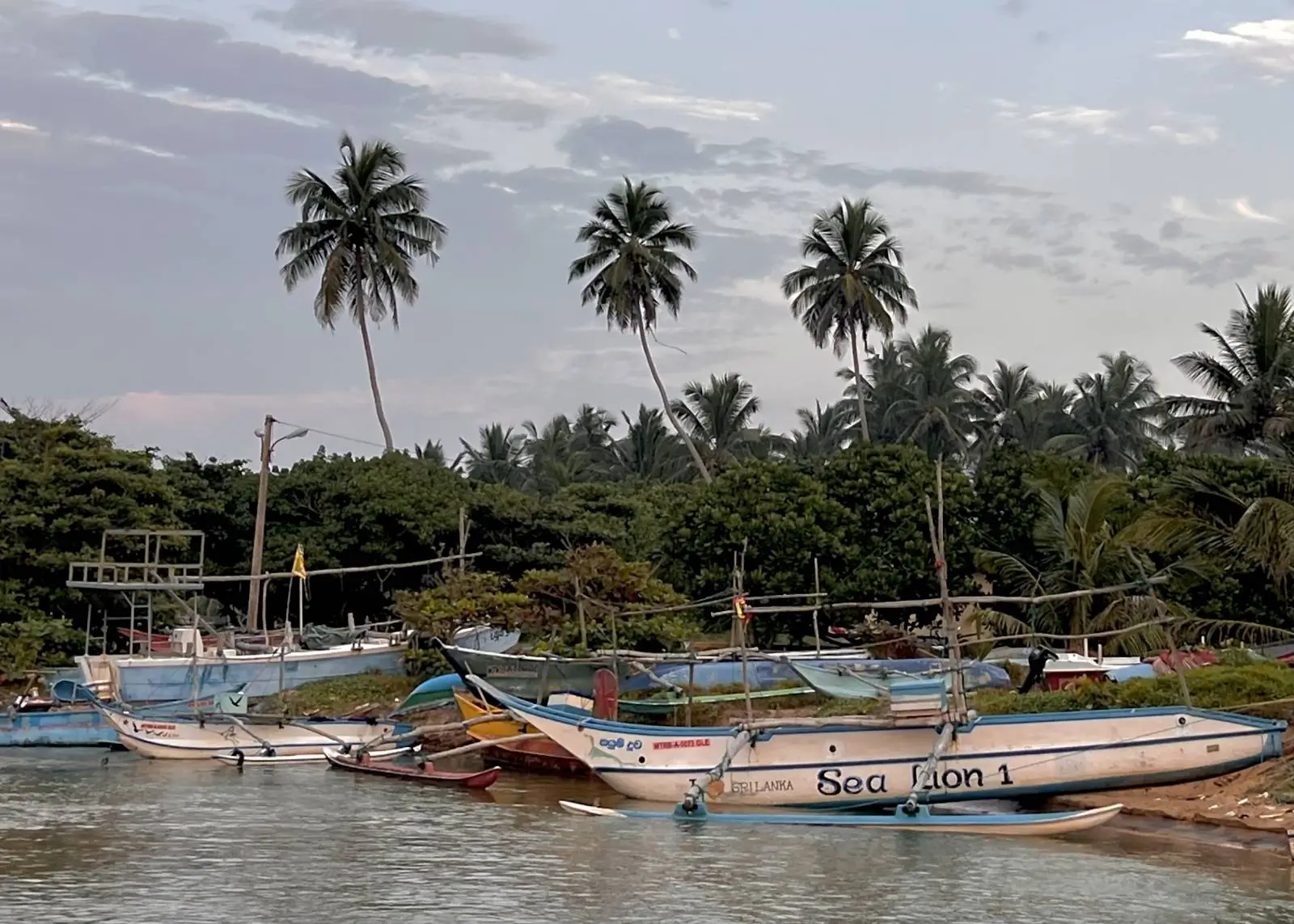
Sri Lanka island tour: Kandy, Nuwara Eliya and Ella
For a long time we wanted to travel around the island, but with a very young child we were hesitant. In early 2018 we finally went for it and hired a car with a driver for three days. For our family this was convenient: we could keep our own route, stop when necessary and avoid thinking about parking. The car had air conditioning, the driver was polite, and our child slept for much of the journey.
This is a personal account of that trip, not a universal ready-made tour. Roads, rules, prices, timetables and visitor numbers change, so the fixed amounts and promises from the old version have been removed. Before travelling, check the official pages for each attraction and current road or railway conditions. Three days are enough for a first impression, but families travelling with children or planning many stops will be more comfortable with four or five days.
We left Hikkaduwa for Kandy at 11 a.m. and reached the botanical garden at about three in the afternoon. We used the highway first, then moved slowly through built-up areas on ordinary roads. After a fast road, the stop-and-go traffic feels especially long. Mountain roads require patience, and travel time depends on traffic, weather, roadworks and events. It is better to leave a generous buffer than to fill one short day with too many fixed appointments.
Royal Botanic Gardens Peradeniya
We finally reached the garden. The previous version listed a specific entrance price, but that figure should not be treated as current. Foreign and local rates can differ and may change, so check the Department of National Botanic Gardens before visiting. Its official page places the garden about 5.5 km from Kandy and describes a site of roughly 147 acres with more than 4,000 plant species, including palms, orchids, ferns and spice plants.
The garden is beautiful. I would not say it has to be better than every botanical garden elsewhere, but it has its own atmosphere. You can spend several hours on the palm avenues, sit in the shade and explore the collections. There are not benches everywhere, so comfortable shoes, water, sun protection and time for breaks are useful. The grounds are large; trying to see everything in half an hour will mostly create fatigue.
After three hours on the road, our first concern was the toilet. It was near the exit and perfectly acceptable. Cafés and places for a break are available on the grounds. We received a map at the entrance and walked through most of the area, leaving at about 5:30 p.m. after roughly two and a half hours. Opening and ticketing hours should still be checked before setting out.
We saw the lake, palm avenues, conifer plantings, a memorial area, orchid and cactus houses, and an enormous tree with giant roots. The orchids were especially memorable: tiny and large flowers, from white to green and brownish shades. The garden is divided into sections. Visitors can walk or use local multi-seat transport if it is operating that day.
Peradeniya works well for a family because you can change the pace. A child does not need to see every avenue: choose a few areas, take a snack break and leave room for unplanned wandering. After rain, paths may be slippery and outdoor collections less comfortable, so a flexible plan helps.
Kandy
After the garden we drove into Kandy. Since Peradeniya is outside the centre, “garden first, Kandy second” still makes sense. Traffic can build up on the approach to town, but there is no reliable universal travel time: the hour, weather, repairs and major religious events all matter.
Kandy’s central area is manageable on foot. The lake, Temple of the Sacred Tooth Relic, shops and cafés are close together, while the hills make longer walks tiring in the daytime. Evenings in the highlands can be cool. On our particular night it was about 19°C, but that is a memory, not a forecast. When choosing accommodation, I would check hot water, ventilation and location instead of automatically paying extra for air conditioning.
We visited the famous Temple of the Sacred Tooth Relic. I would not repeat the old entrance price: fees and visitor arrangements can change, and access to particular areas may depend on current rules. This is a living sacred place and an important Buddhist pilgrimage site, not simply a museum. Dress modestly, remove shoes where indicated and follow staff instructions. Read the current visitor guidance from Sri Lanka Tourism or ask on arrival.
If you are looking for quiet meditation, a popular central temple may not provide it at busy times. There can be crowds, queues and several rooms, and the flow is clearer to worshippers than to first-time visitors. We followed the queue, looked around and left. I remember the scent of flowers and incense and the calm grounds around the water and lawns. Whether the visit feels meaningful depends on timing, season and expectations; it should not be called compulsory for every traveller.
The temple is in the heart of the city, beside the lake and central shopping streets. My old account included a harsh impression of one café and of children asking for money. I would not treat that as a description of all Kandy. Choose restaurants from recent reviews, check the room and menu, and carry water and familiar snacks when travelling with children. Our accommodation, a clean homestay near the centre with hot water and friendly hosts, was a highlight. A welcome drink of tea or juice was a pleasant part of the hospitality, although the sweetness may surprise you.
Nuwara Eliya
Our next stop was Nuwara Eliya. On an earlier visit I remembered rain and temperatures around 12–15°C. This time we brought windbreakers, a scarf and long sleeves, and the day was sunny. Both experiences are normal in the central highlands. The weather is cooler and wetter than on the coast, but clear skies are not guaranteed. Pack a warm layer and rain protection even when the morning is bright.
Nuwara Eliya is often called “Little England” because of its architecture and climate. Green mountains surround the town, with cloud often covering the tops. Our driver suggested a restaurant by the lake. There was a park and boats on the water, but it was so cool outside that we ate in jackets. This is why a mountain day should not be planned too tightly.
We walked briefly through the centre, looked at the British-style buildings, photographed the post office, bought doughnuts and continued towards Ella. That was enough for a short stop. If you want a deeper tea-country experience, give Nuwara Eliya more time and check the opening hours of a particular tea factory or garden in advance. Hours can depend on weekends and the season.
Ella
We love Ella. There are mountains, fresh air, tea plantations and waterfalls, and daytime temperatures can feel much warmer than in Nuwara Eliya. Nights can still be cool, so a blanket in a guesthouse is useful. Ask before booking about ventilation, heating, night access and the distance from the centre.
The road into Ella follows mountainous terrain and can feel frightening in places. It would be wrong to give one maximum speed or one guaranteed duration for the entire route: signs, surface, traffic and weather change. If roads or rail services are temporarily restricted, current notices from transport or tourism authorities matter more than an old timetable.
Ella is much more popular than when we first visited. Do not assume that prices are low everywhere or that every seller behaves in the same way. Compare accommodation and excursions, confirm the total price before departure, carry a cash reserve and treat hosts respectfully. A tip should not be automatic, but thanks for genuinely good help are appropriate.
We enjoyed the Nine Arch Bridge, Ravana Falls, Ella Rock and Little Adam’s Peak. “Must-see” is too strong: choose according to weather, fitness, time and family interests. Before going to the waterfall, check the road and a safe drop-off point. Do not approach slippery edges or fast water for a photograph.
Ella Rock can be demanding after a long drive. We chose the easier Little Adam’s Peak. The path runs beside tea plantations, with steps near the top, and the views are excellent. Our walk took about forty minutes at a relaxed pace, but that is not a standard. Rain, heat and a child will change it. Good shoes, water and an early start matter more than speed.
After Little Adam’s Peak we went to the Nine Arch Bridge. The walk was longer than expected and signs were limited, so we asked for directions. Today the popularity of the spot means you should confirm the access point, stay off the railway tracks and treat train times as an orientation rather than a promise. Weekdays may be quieter, but crowds cannot be guaranteed away.
Ella’s centre is concentrated around cafés, restaurants and small hotels. We stayed in a guesthouse about two kilometres away and ordered dinner from the hosts. One of the best dishes was rice and curry. Tea plantations are everywhere; tea can be bought from hosts, shops or a factory that accepts visitors. Confirm opening hours and tour arrangements, especially at weekends.
If possible, spend two days in Ella. You can choose one easier walk, rest and avoid turning the trip into a race. Haputale or Badulla can be considered afterwards; the best route depends on weather and transport.
The return journey
We returned because we needed to reach home before night. Ella to Hikkaduwa took about six hours for us, but that was one day’s experience, not a promise. Mountain roads, stops, weather and congestion change the calculation. I would not plan a very long return immediately after a hike; an extra night or a buffer day makes the trip easier.
Overall, travelling by car with a one-and-a-half-year-old was realistic for us. Our child was calm, slept and played, but every family is different. Frequent breaks, familiar food, water and spare clothes help. Three days was our comfort limit; now I would choose four or five days and reduce the number of long drives.
In 2018 we spent approximately 400 US dollars for the car and driver, 40 dollars for accommodation in Kandy and Ella, and 50 dollars on food for two adults. This is a historical personal budget, not a current estimate. Prices, exchange rates, ticket rules and accommodation have changed. Build today’s budget from transport, nights, tickets, food, insurance and a reserve for unplanned stops.
My checklist: agree the route and payment with the driver; check official opening hours and tickets; pack warm clothes and rain protection; leave time for mountain roads; do not assume every attraction is free; follow temple etiquette; stay off railway tracks and waterfall edges; and plan only one or two major stops per day with a child. The best part of an island tour is not the number of photographs, but having time to stop and look around.
Sources: Department of National Botanic Gardens — Royal Botanic Gardens Peradeniya; Sri Lanka Tourism — Kandy cultural heritage; Sri Lanka Tourism — pilgrimage; Sri Lanka Tourism — Ella; Sri Lanka Tourism — Kandy Esala Perahera; Sri Lanka Tourism — tourism infrastructure status updates.
Read also
All articles
Journey from Nuwara Eliya to Ella: train, route and practical tips
A practical account of traveling from rainy Nuwara Eliya to warmer Ella by rail or road, with current planning, weather, trail and safety advice.
Nuwara Eliya - tea plantations, waterfalls, architecture and the spirit of England
Nuwara Eliya is Sri Lanka's cool highland town of tea estates, waterfalls, colonial architecture, Hakgala Botanic Gardens and Gregory Lake. Plan the route, transport and…
TOP 12 most beautiful and interesting places in Sri Lanka
Twelve places that show different sides of Sri Lanka: mountains and tea country, beaches, ancient cities, temples and national parks, with practical planning and safety…
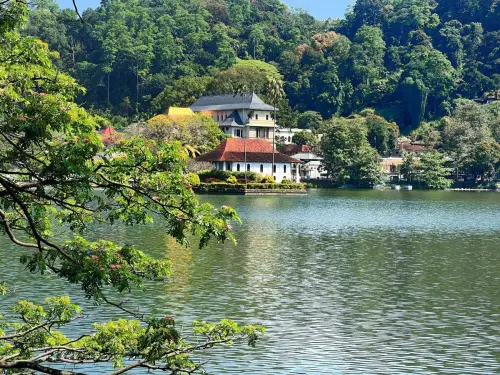
Kandy is the last capital of the independent Sinhalese kingdom
Kandy is the mountain capital of the Sinhalese kings, which retained its independence until the British occupation in 1815. The history of the Kandyan Kingdom,…
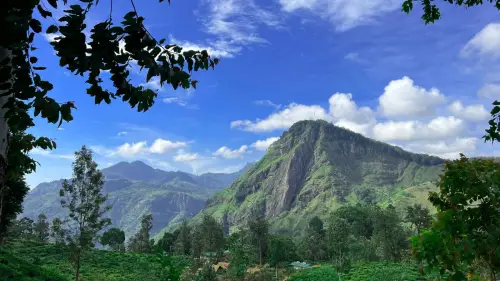
Ella: Mountains, Trails and Waterfalls in Sri Lanka
A practical Ella guide: the hill-country climate, train and road access, Little Adam Peak, Nine Arch Bridge, Ella Rock, Ravana Falls, tea visits and one-…
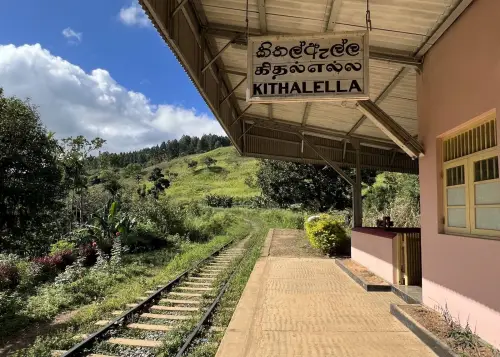
A Trip to Nuwara Eliya: Train, Climate and City Walk
A personal journey to cool Nuwara Eliya with practical advice on Nanu Oya station, trains, rain, accommodation, Gregory Lake and city walks.
Comments
Share your thoughts or ask a question about this article.