Nuwara Eliya is a highland city in Sri Lanka’s Central Province and the administrative centre of the district that shares its name. This page focuses on the city itself: its central streets, everyday services and landmarks that shape a short visit or a longer stay. Nuwara Eliya District extends much farther into tea-growing areas and other settlements, so the broad place name does not always tell you where a particular address is.
At about 1,868 metres above sea level, the city feels cooler than Sri Lanka’s coast and lowland regions. Highland weather can shift during the day, so a warm layer and something for rain are useful for both travel and daily routines. When comparing accommodation, ask about more than the view: damp conditions, hot water, heating and the route into town can affect comfort in cooler weather.
Gregory Lake and Victoria Park are helpful reference points around the city centre. They sit within a town of shops, cafés, markets and ordinary errands, not a separate resort zone. Nuwara Eliya is known for colonial-era buildings, yet the streets around them remain part of a working local centre. An address described as “near the lake” does not necessarily put every daily stop nearby, so confirm the exact street, road slope and distance to the places you expect to use.
Roads connect the city with Kandy, Badulla and other parts of the highlands. The railway station serving Nuwara Eliya is at Nanu Oya, outside the city centre, so a train journey includes a separate road leg between the station and your address. This matters when travelling with luggage, arriving in rain or continuing early the next morning. Confirm the pickup point and final connection in advance rather than assuming that a train listing for Nuwara Eliya means arrival in the town itself.
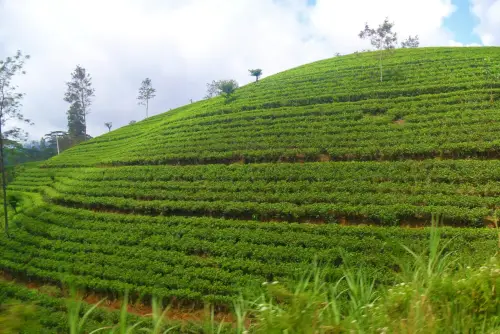
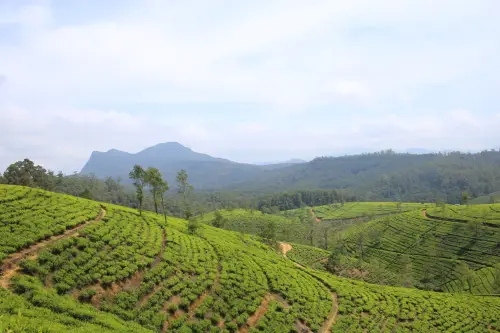
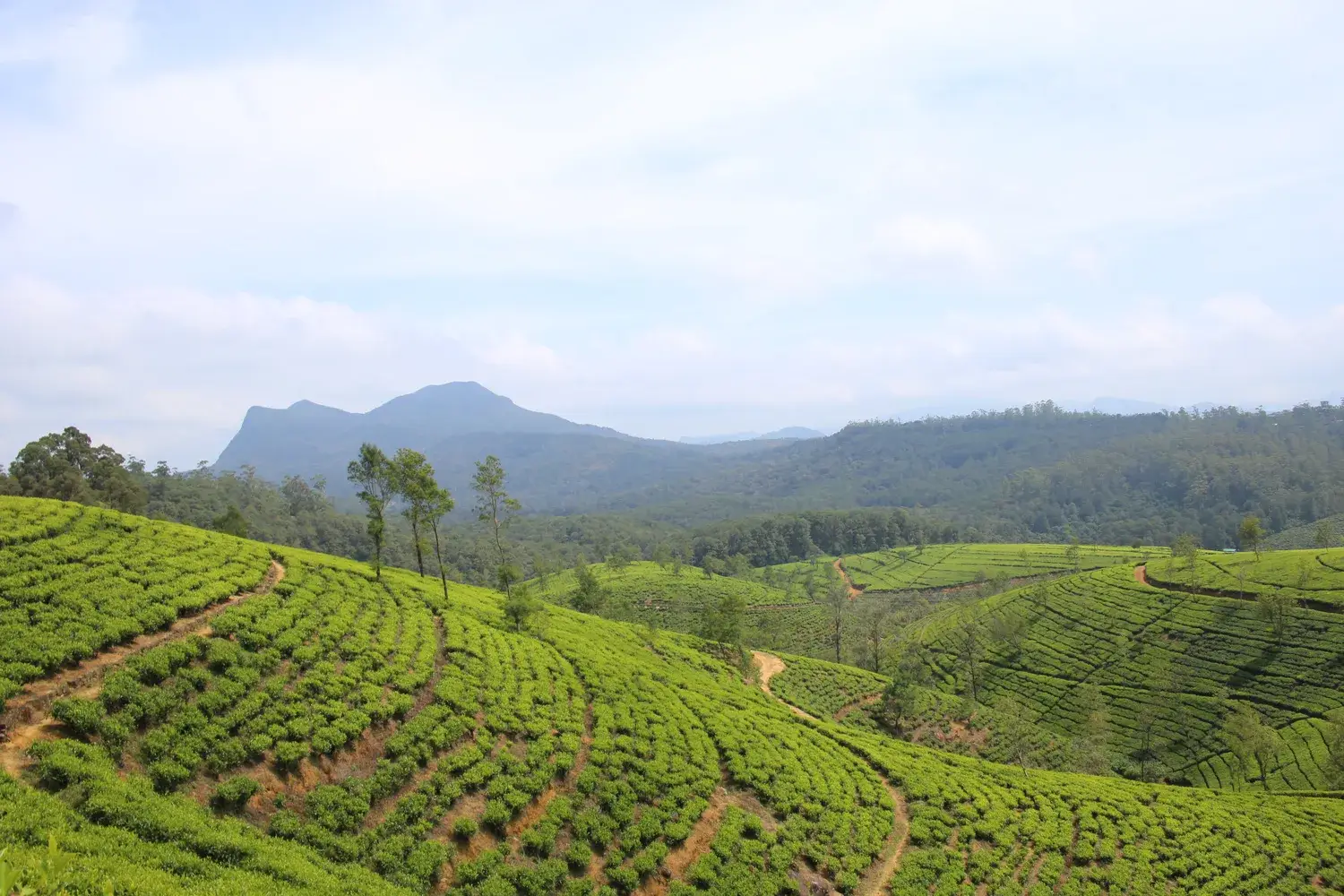
Tea estates are an important part of the district’s landscape and economy, but a tea-covered hillside is not automatically within the city. Nuwara Eliya city is different from plantation towns and areas such as Hatton or Talawakele, where distances, transport and everyday routines can be quite different. If you are looking for estate work, a factory visit or accommodation among tea fields, check the precise place name and district. The city is more practical when you need shops, urban services and connections.
Horton Plains is often planned as an excursion from Nuwara Eliya, but the national park is a separate destination, not an extension of the city’s walking area. An early departure, the road and access conditions need their own planning; highland weather and visibility are not guaranteed. If the park is the main reason for your trip, compare staying in the city with staying closer to your intended route. With several stops, it can be more useful to separate city time, tea country and nature outings instead of treating them as one place.
Nuwara Eliya also serves people who are not just visiting. Residents and longer-stay newcomers may look for a rental, work, transport, repairs, everyday services, shops or a local specialist. Regular travel, access to essential facilities and the location of a workplace can matter more than a landmark view. When looking for a home, check how far shops and transport are on foot or by vehicle; for a job, clarify whether the workday is based in the city or elsewhere in the district.
The local private listings directory for Nuwara Eliya lets people share information about accommodation, work, services or items, and look for options that suit a trip or everyday life. A page being listed does not mean a particular offer is available now: check the details, exact address and terms with the publisher. Start by deciding what matters most—city-centre errands, the Nanu Oya rail connection, tea-country surroundings or a trip to Horton Plains—then compare places and listings in the part of the highlands you actually need.