




TOP 12 most beautiful and interesting places in Sri Lanka
Twelve places that show different sides of Sri Lanka: mountains and tea country, beaches, ancient cities, temples and national parks, with practical planning and safety…
Kandy is a city in Sri Lanka’s Central Province, within the wider Kandy District. Its compact centre, lake and historic precinct give the city a distinct rhythm, while the district extends well beyond it into surrounding towns and uplands.
Twelve places that show different sides of Sri Lanka: mountains and tea country, beaches, ancient cities, temples and national parks, with practical planning and safety…
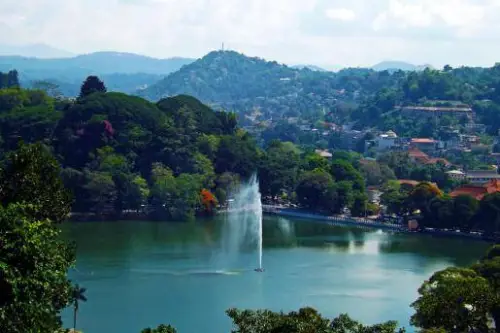
What to see in Kandy in one or two days: the Temple of the Tooth, the lake, Peradeniya Botanical Garden, viewpoints, museums and a practical…
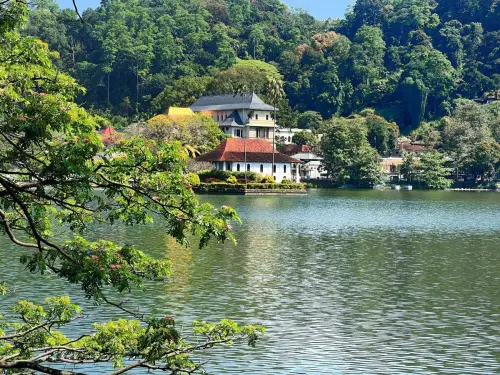
Kandy is the mountain capital of the Sinhalese kings, which retained its independence until the British occupation in 1815. The history of the Kandyan Kingdom,…
A personal three-day route from Hikkaduwa through Peradeniya, Kandy and Nuwara Eliya to Ella, with practical notes on pace, mountain roads, weather and planning.
Kandy is a city in Sri Lanka’s Central Province, within the wider Kandy District. Its compact centre, lake and historic precinct give the city a distinct rhythm, while the district extends well beyond it into surrounding towns and uplands. This page is about Kandy itself: useful if you want to stay near the city’s daily services, move around on foot or by local transport, and keep the Temple of the Tooth and Kandy Lake close to your plans.
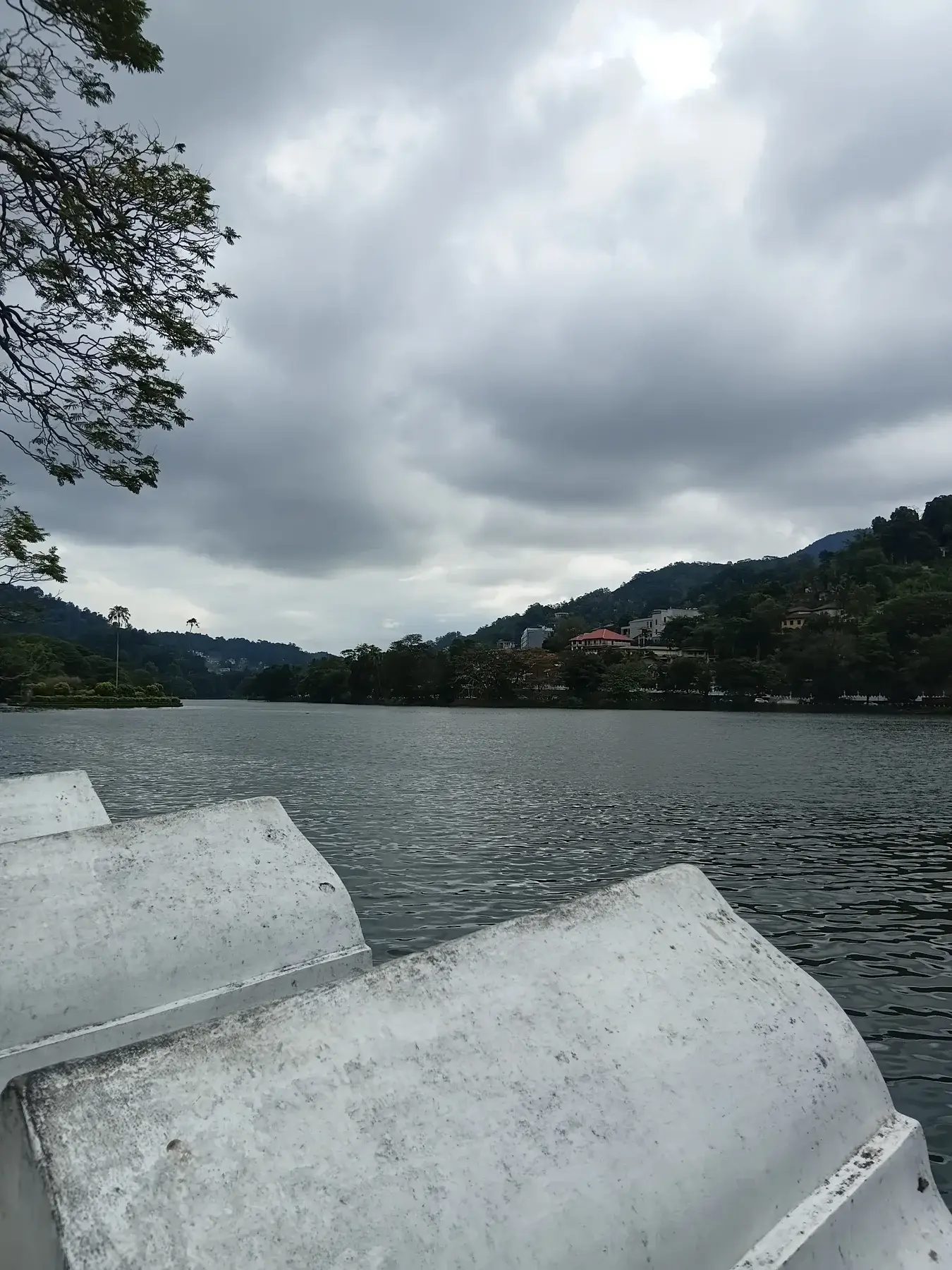
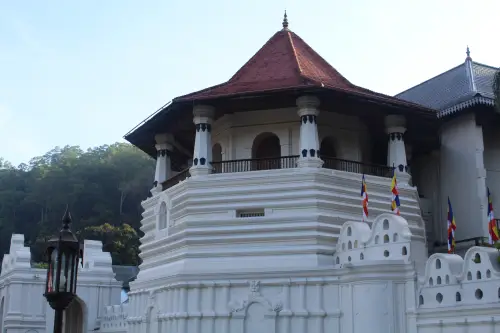
The lake is a practical landmark as well as a familiar view. Around its edge sit the Temple of the Tooth and parts of the former royal complex, while markets, shops and transport points are woven into the working centre nearby. The sacred precinct is not a separate resort zone: it sits alongside ordinary errands, commuting and city life. A room described simply as “Kandy” may still be on a slope or outside the central area, so ask where it is in relation to the places you expect to visit.
Kandy’s place in Sri Lankan history is unusually visible in the present-day streetscape. It was the last capital of the Sinhala kings before British rule began in 1815, and the Temple of the Tooth remains an important Buddhist pilgrimage site. The UNESCO-listed Sacred City is a heritage designation tied to specific historic places; it does not mean that every neighbourhood in the modern city has the same character. Visitors interested in the royal and religious centre can plan around it, while residents and longer-stay guests may have different priorities.
The city is also a useful transport point. Kandy has its own railway station, and trains connect it with Colombo and other parts of the island; local buses and three-wheelers fill in many journeys within the urban area. Hills, busy streets and one-way approaches can make a short distance take longer than it looks, particularly when carrying luggage or trying to cross between the lake, the station and a hillside address. Check the exact pickup point and current route before arranging a ride or meeting.
Not every well-known place associated with Kandy is inside the city. The Royal Botanic Gardens are in Peradeniya, west of the centre, and excursions into the surrounding highlands require a separate journey. That distinction matters when choosing a base: a listing for Kandy city is not automatically near a garden, a trail or a village outside the municipal area. If your plans are built around one of those destinations, compare the actual location and onward connection rather than relying on the broader regional name.
For a useful comparison, consider Nuwara Eliya District. Kandy suits plans centred on a city, the Sacred City precinct, everyday shopping and onward transport. Nuwara Eliya is a better match when the main draw is tea-country scenery, Nanu Oya, Hatton or Horton Plains. These are different bases in the central highlands, not interchangeable labels for the same outing. Choosing by the place you will actually spend time in can save unnecessary backtracking.
This page is a local directory of private listings for Kandy: you can share information about a room, a job, a service or an item, and look for an option that fits your stay or daily routine. It is meant for people who live in the city as well as newcomers and visitors, without suggesting that any particular offer is currently available. Use the location details to distinguish the central streets from addresses farther up the surrounding slopes.
If you are staying for a while, compare how easily you can reach groceries, transport and the places you expect to visit each week. For a short visit, check whether your accommodation is close to the lake and historic precinct or better placed for the station and your next journey. The city’s hills and active streets are part of its setting, so “nearby” can depend on the route and the climb, not only the map distance. Confirm current travel details and terms directly before making plans.