Nuwara Eliya - tea plantations, waterfalls, architecture and the spirit of England
Nuwara Eliya is one of the most beautiful, and one might even say aristocratic, places in Sri Lanka. The town was shaped by the British, and its mountain scenery is striking. Within its compact urban area you can see colonial villas, spacious parks, an English church, an unusual post office, gardens with unusual plants and highland Ceylon tea estates. Golf, horse racing and the April season add a distinctly British layer to the experience. From a distance it can feel as if you are in England rather than Sri Lanka. If you have packed your bags, let us take the town in order: this is a walk through Sri Lankan Nuwara Eliya, with an unmistakable English spirit.
Weather in Nuwara Eliya
Nuwara Eliya lies in Sri Lanka's central highlands at roughly 1,868 metres above sea level, so it is much cooler than the coast. Rain, mist and quick changes can occur within the same day. Bring a warm layer for the morning and evening and practical shoes for wet paths. Old average temperatures should not be treated as a promise for a particular date; check the forecast and route conditions before leaving.
How to reach Nuwara Eliya
Your route depends on where you start. From Kandy, a bus or car with a driver takes a substantial part of the day on mountain roads. From Colombo, allow more time and check traffic. The railway is a scenic option, but Nanu Oya is the relevant railway station rather than the town centre. From there continue by bus, tuk-tuk or car. Check current timetables, seat availability and service restrictions on the Sri Lanka Railways website before travelling.
Haputale is closer, although the actual journey still depends on connections, weather and the road. From Matara or another southern town, do not rely on old claims about one bus a day or a fixed eight-hour journey: schedules change. In the hills it is useful to start early, allow time for stops and agree on your drop-off point in advance.
Once you arrive, plan your stay rather than trying to see everything at once. The town offers temples, tea production, waterfalls, historic buildings, a lake, a botanical garden, a racecourse and golf.
Waterfalls
The hills around Nuwara Eliya contain many waterfalls, but they are in different directions and do not make one compact route. Do not promise yourself every waterfall in one day: some require a separate drive, and paths can be slippery after rain. Here are several well-known names and the practical limits to remember.
St. Clair's Falls. The water is divided into two streams by a large rock, which is why it is often called a twin waterfall. Use the viewpoint by the road and never climb over barriers or approach the water where there is no permitted trail.
Hunas Falls. This waterfall is set among tropical forest, plantations and spice gardens. It can be a quiet and romantic stop, but check access and tour arrangements locally.
Kirindi Ella. It is often described as a high waterfall where water draws patterns over steep rock. Check the approach before setting out and do not walk on wet rock without suitable footwear.
Bo Path Ella. Local stories give it a poetic character. They are folklore, not a promise of health or family happiness. After heavy rain the flow can be stronger, so a safe distance matters more than a photograph.
Koslanda Bridal Veil. The name refers to a bride's veil. It is not in central Nuwara Eliya, so include it in a separate highland route. Stories about a guaranteed happy marriage belong to folklore, not travel advice.
Laxapana Falls. Religious traditions connect this waterfall with the route to Sri Pada. Listen to them as part of local culture, and check access, weather and trail conditions as you would for any nature walk.
Ravana Ella. This popular attraction is closer to Ella than to Nuwara Eliya. If you include it, plan a separate transfer and check local restrictions. Stories about caves and very ancient human traces should not be presented as proven archaeology without a reliable source.
Architecture
Visitors usually mention Sita Amman Temple. Its connection with the Ramayana, including the tradition that Ravana held Sita in this area, is part of the religious and cultural landscape. Treat the story as tradition. Dress respectfully and take photographs only where they are permitted.
Nuwara Eliya's architecture is varied. Colonial history can be seen in historic hotels, the post office, churches, cottages and carefully kept lawns. Some buildings have restricted access, so do not assume that residences or administrative sites are open to visitors. A slow town walk works best: enjoy the buildings from public areas and respect privacy and security.
Tea plantations
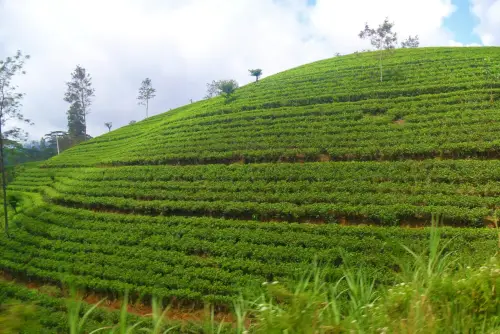
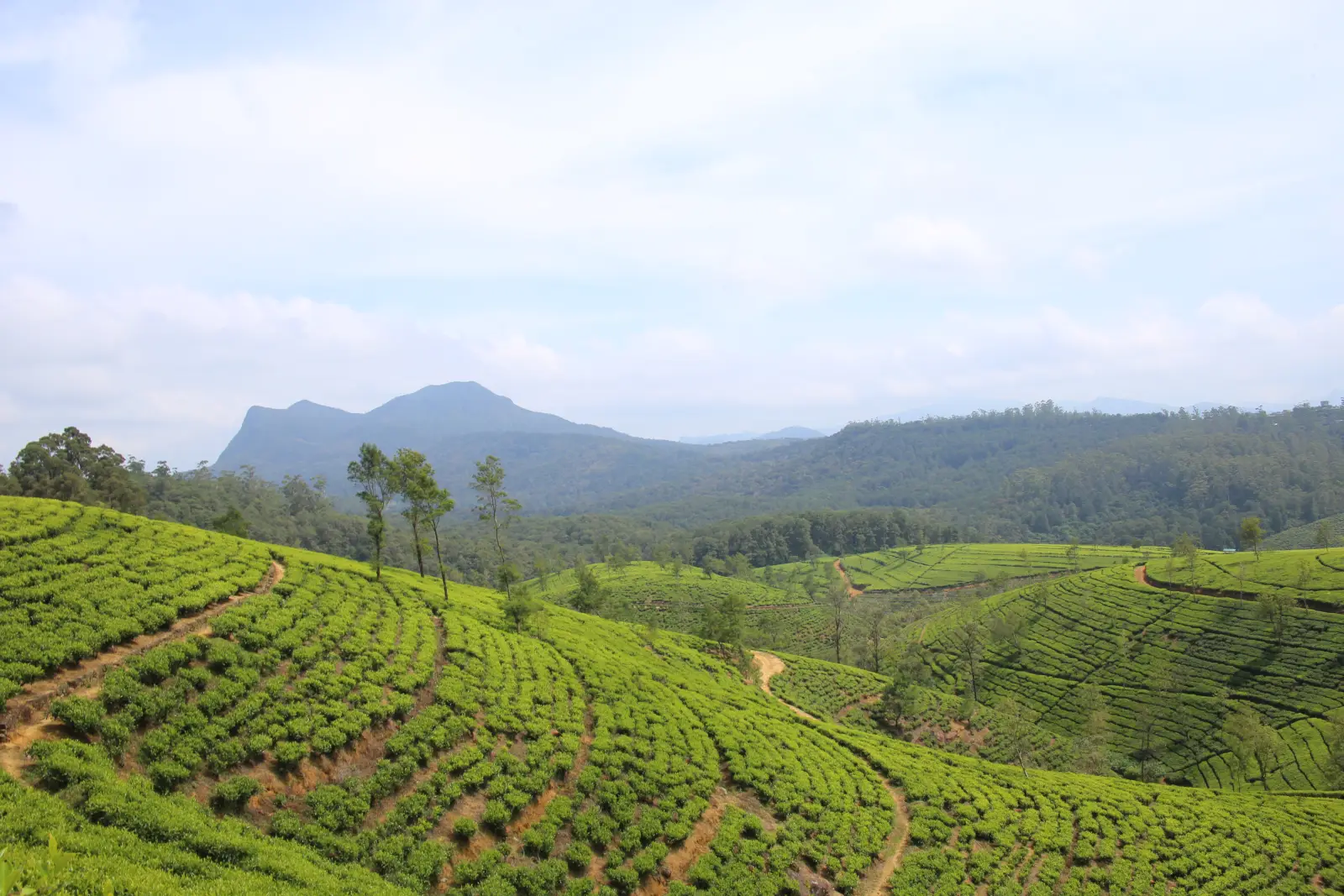
Nuwara Eliya became one of the best-known highland tea districts because of its climate. You can see rows of bushes on the slopes, workers picking the top leaves and factories where the crop is processed. Do not enter a plantation without permission or interrupt the workers; it is a workplace, not just a photo set.
Tea productionIf you have never visited a factory, choose a tour with confirmed opening details. The Central Province tourism department describes visits to Pedro Tea Factory, where guests can follow tea from grading to packing; the tour may be unavailable in the middle of the day. Confirm opening hours, photography and tasting arrangements before you go. When buying tea, look at its origin and packaging rather than relying only on the word “Ceylon”.
Things to do in Nuwara Eliya
If you play golf, or have always wanted to try it, Nuwara Eliya can help. The golf club is part of the town's late-nineteenth-century history and has an 18-hole course. Check the dress code, booking availability and course conditions: immediate walk-in play is not always possible.
Victoria Park is in the heart of Nuwara Eliya and is a pleasant place for a short walk. Flowering, paths and opening conditions can change, so do not expect the same view in every month.
If you want more plants, go to Hakgala Botanic Gardens, about 9.5 km south-east of Nuwara Eliya at the foot of Hakgala Rock. The state garden covers about 28 hectares and is known for roses, orchids, ferns and highland plants. The Department of National Botanic Gardens lists opening hours of 7:30 am–6:00 pm, ticketing until 5:00 pm and an overseas-adult fee of LKR 3,540 when checked on 2 September 2026. Prices and hours can change, so check the official page before travelling. Mornings are cool; bring a warm layer.
Gregory Lake is another important city stop. The Central Province tourism department places it about one kilometre from the centre and lists walking, cycling, boating activities and sunset views. Check rental conditions, restrictions and prices locally. Do not turn a visit into a promise of a particular fishing experience: activities can change.
April is Nuwara Eliya's most visible tourist season. Many local and international visitors arrive, horse races and other sports and cultural events take place, and the gardens can be especially colourful. The atmosphere also brings traffic, queues and greater pressure on accommodation and roads. For a quieter trip, choose weekdays, book early and check the event programme. The town remains worth visiting outside April; rain and season simply affect which activities are comfortable.
How to plan one day
For a short visit, choose one area instead of trying to cover every waterfall. Walk through the centre and Victoria Park in the morning, visit a tea factory or estate, then spend the afternoon around Gregory Lake. Reserve Hakgala and distant waterfalls for a separate trip. Before leaving, check the forecast, opening hours, tickets, photography rules, extra time for mountain roads and warm clothing. Respect temples, plantation workers and natural paths.
If you stay for one or two nights, keep the programme realistic. Use the first day for the centre, the park and the lake, and the second for Hakgala, a tea factory or one distant waterfall. Temperatures fall quickly in the evening, so accommodation with an enclosed room and a way to dry clothes is more practical than a beautiful view without heating. Arrange your return transfer in advance, especially in rain: mobile coverage and transport are not equally reliable everywhere in the hills.
Everyone who visits this town can find something personal and memorable. It is difficult to be bored in a place like this. Have a wonderful holiday!
Sources: Central Province Tourism Department — Nuwara Eliya District; Central Province Tourism Department — Ceylon Tea Trail; Department of National Botanic Gardens — Hakgala; Sri Lanka Railways — train schedule.
Comments
Read also
All articles
Kandy is the last capital of the independent Sinhalese kingdom
Kandy is the mountain capital of the Sinhalese kings, which retained its independence until the British occupation in 1815. The history of the Kandyan Kingdom,…
Yala National Park
Yala National Park is among Sri Lanka's best-known wildlife parks. Dry forests, lagoons, coastline and a rich animal world meet here, but a good safari…
Things to Do in Sri Lanka: Ideas, Seasons and Planning
A practical guide to Sri Lanka: culture, wildlife, beaches, safaris, hiking, food, markets, wellness and itineraries shaped by season and real conditions.
Sri Lanka island tour: Kandy, Nuwara Eliya and Ella
A personal three-day route from Hikkaduwa through Peradeniya, Kandy and Nuwara Eliya to Ella, with practical notes on pace, mountain roads, weather and planning.
Sights of Sri Lanka. Where should you go?
Rich and diverse in both nature and culture, Sri Lanka is one of the pearls of South Asia. When you are planning your trip to…
TOP 12 most beautiful and interesting places in Sri Lanka
Twelve places that show different sides of Sri Lanka: mountains and tea country, beaches, ancient cities, temples and national parks, with practical planning and safety…