Coconuts in Sri Lanka: Coir, Coconut Apple and Other Surprising Facts
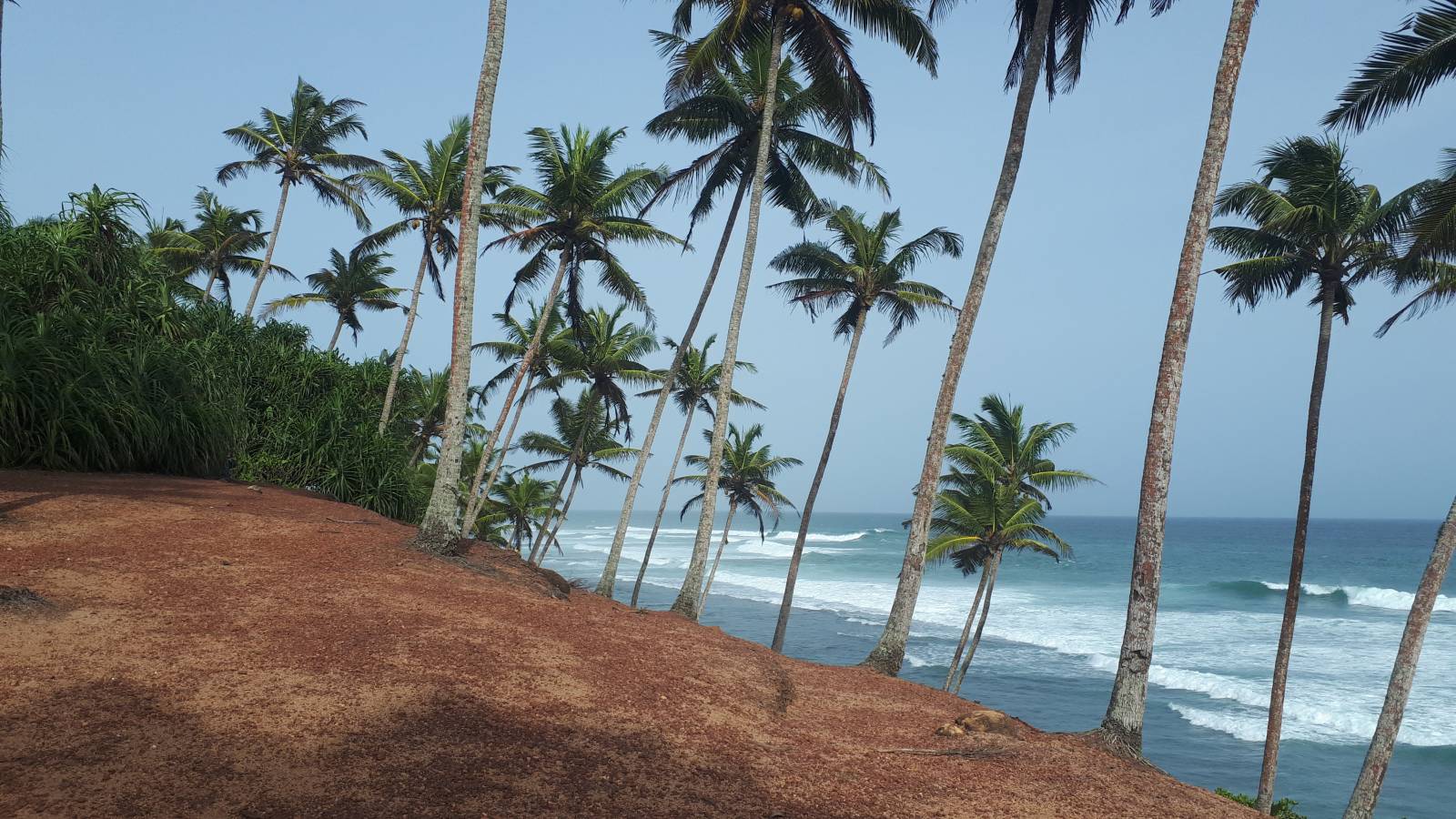
Coconut palms in Sri Lanka can truly be called a source of life—not literally, but in a very practical sense. The fruit, fibre, leaves, sap and trunk become food, oil, utensils, rope and roofing material. The industry matters to the country, and the use of palms is regulated: felling, lopping or destroying a tree may require written permission. Rules depend on the location and current regulations, so check with local authorities before any work.
You may know coconut oil, milk, flakes and water. Leaves become thatch, decorations and bags; shells become utensils and charcoal. We even bought a coconut ladle. Here are several less obvious uses—with one important caveat: not every beautiful coconut story is an established fact.
Coir
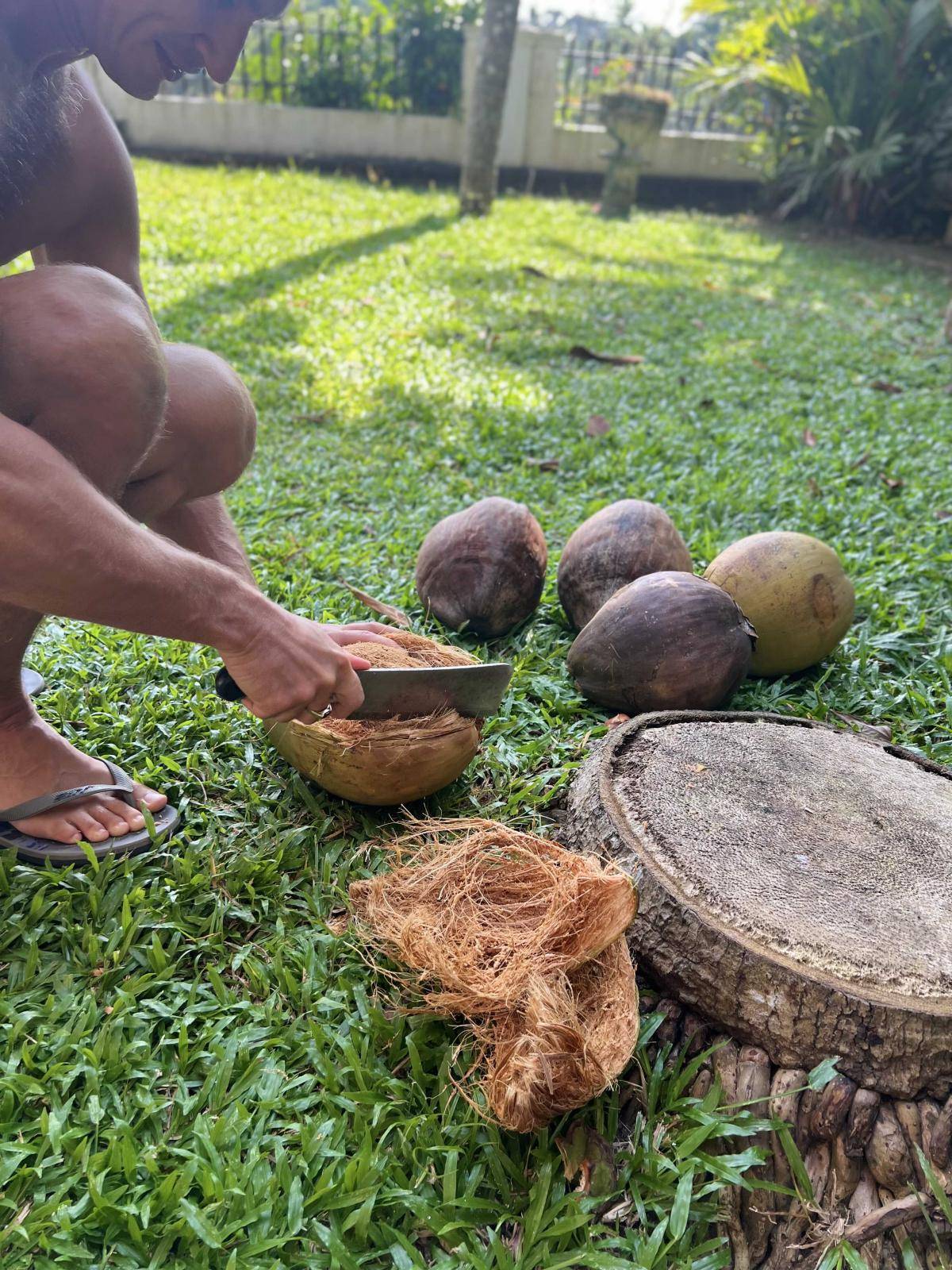
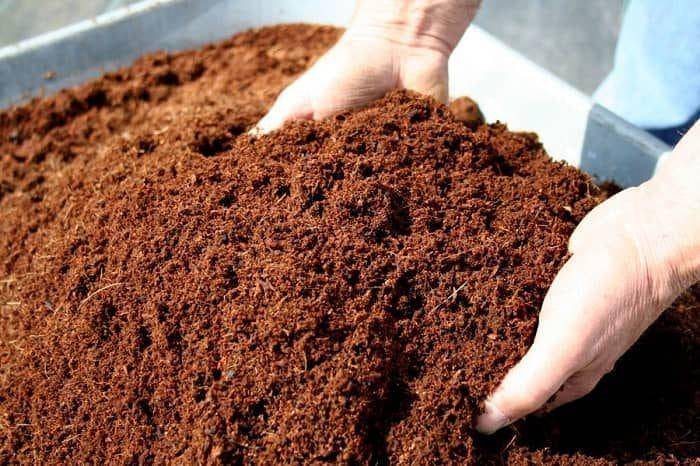
Coir is fibre from the outer husk, not the hard shell. In Sri Lanka it is traditionally made into mats, rope, brushes, rough fabrics and mattress filling. Coir pith, also called coco peat, is used in horticultural substrates because it is porous and retains water. It is not a ready-made universal fertiliser: quality, salts and preparation matter for each plant. Claims that coir never contains bacteria, fungi or mites are simply not reliable; this depends on production and storage.
Coconut apple
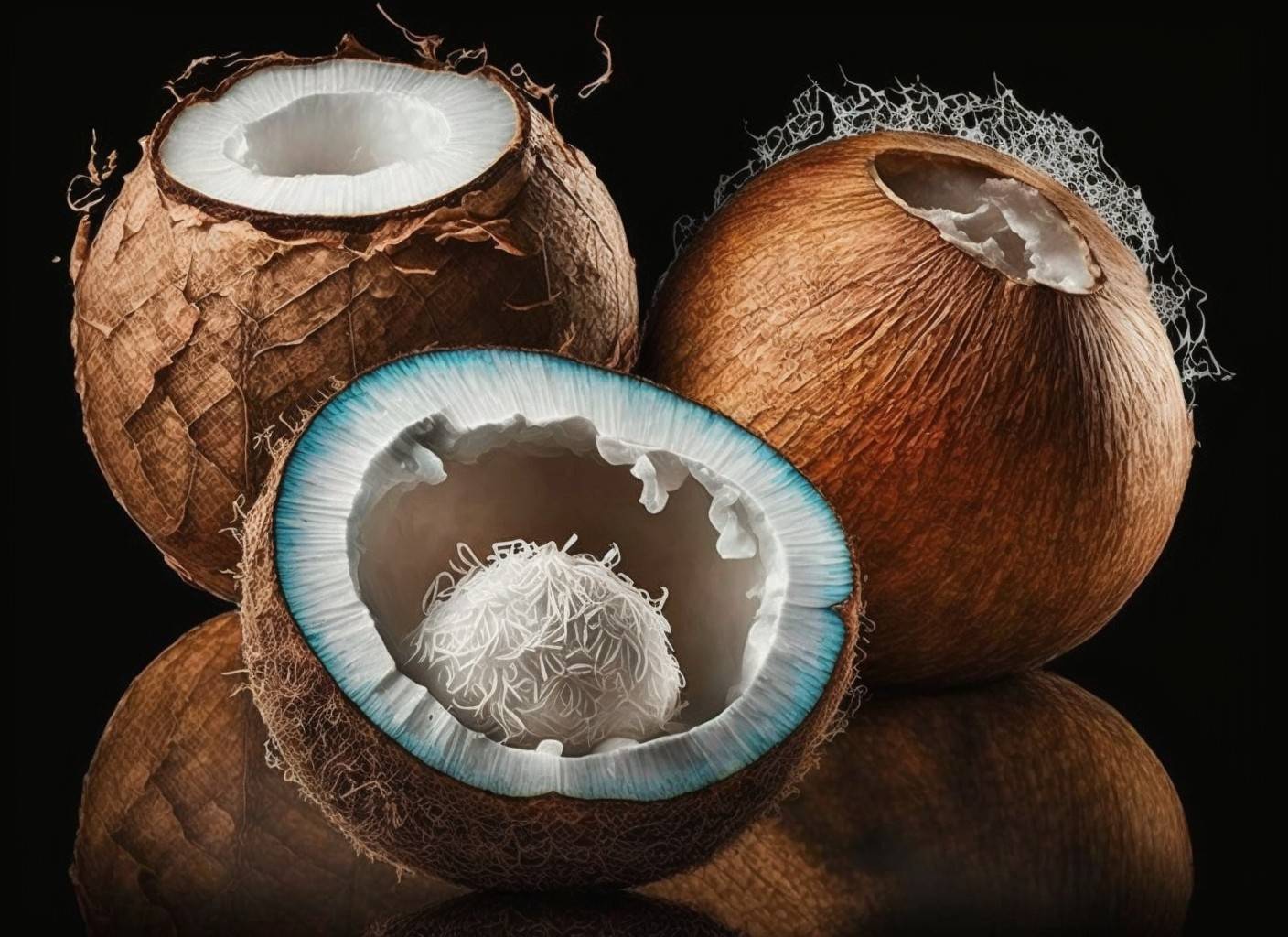
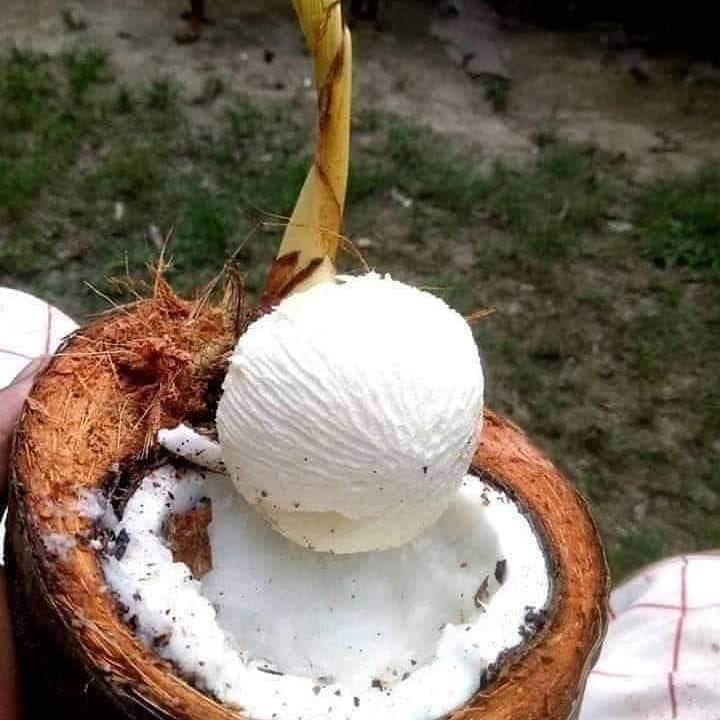
When a coconut starts to sprout, a spongy edible tissue develops inside it: the haustorium, often called coconut apple. It uses the nut's stored nutrients to feed the seedling. Its taste and texture are often compared with a soft marshmallow or sponge; it can be eaten fresh or used in desserts. It is neither a separate fruit variety nor solidified coconut water.
Coconut growing medium
Coconut substrate is made from processed husk and coir pith. It is sold in compressed blocks for seedlings and houseplants. Its porosity and water retention are useful, but pH, electrical conductivity and nutrients must suit the plant: follow the manufacturer's directions.
Coconut “pearl”
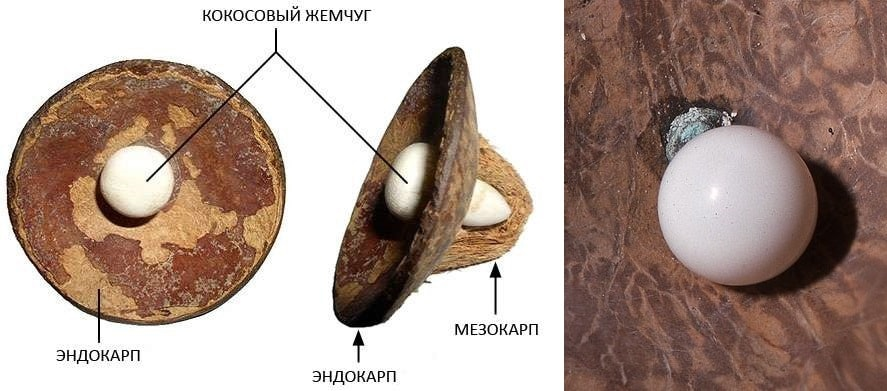
Older botanical literature describes extremely rare calcareous formations inside a coconut, called coconut pearls. They do not have the lustre of an ordinary pearl and do not mean that every white lump in a nut is a gemstone. There is no dependable rule that three closed “eyes” guarantee a pearl, and jewellery-value stories are often repeated without evidence. Do not buy a supposed botanical gem without independent expertise and provenance documents.
Millionaire's salad
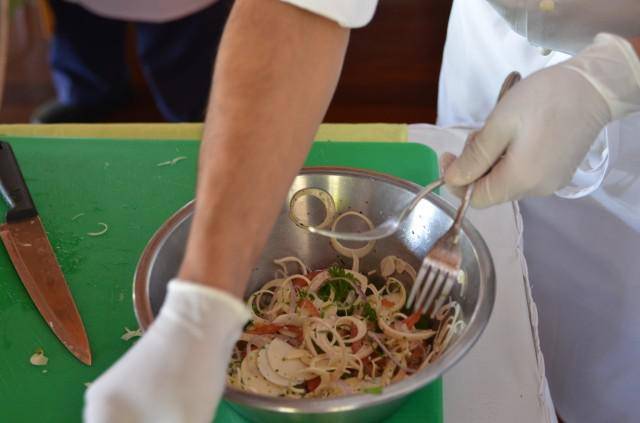
This name is used for dishes made with palm heart, the tender growing tip of a palm. Harvesting it from a single-stem palm usually kills the plant, which is why it is known as an expensive and wasteful delicacy. Palm-heart salads are well known in Mauritius, but should not be presented as an essential Sri Lankan dish. If you order one, ask about the ingredient's origin and choose a venue that can explain its supply.
Did you know about these things? Have you tried any of them?)

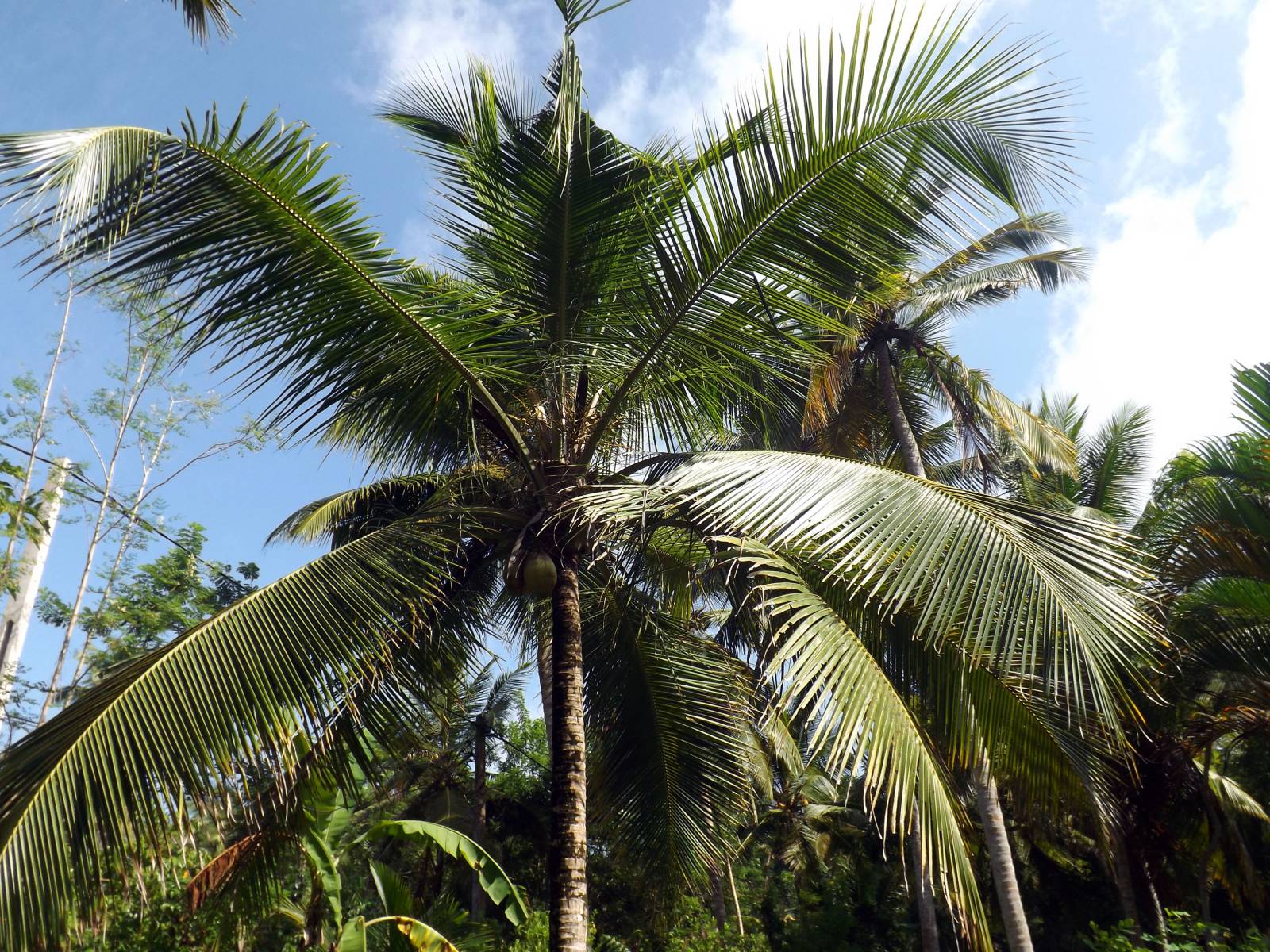
More useful facts about coconut palms
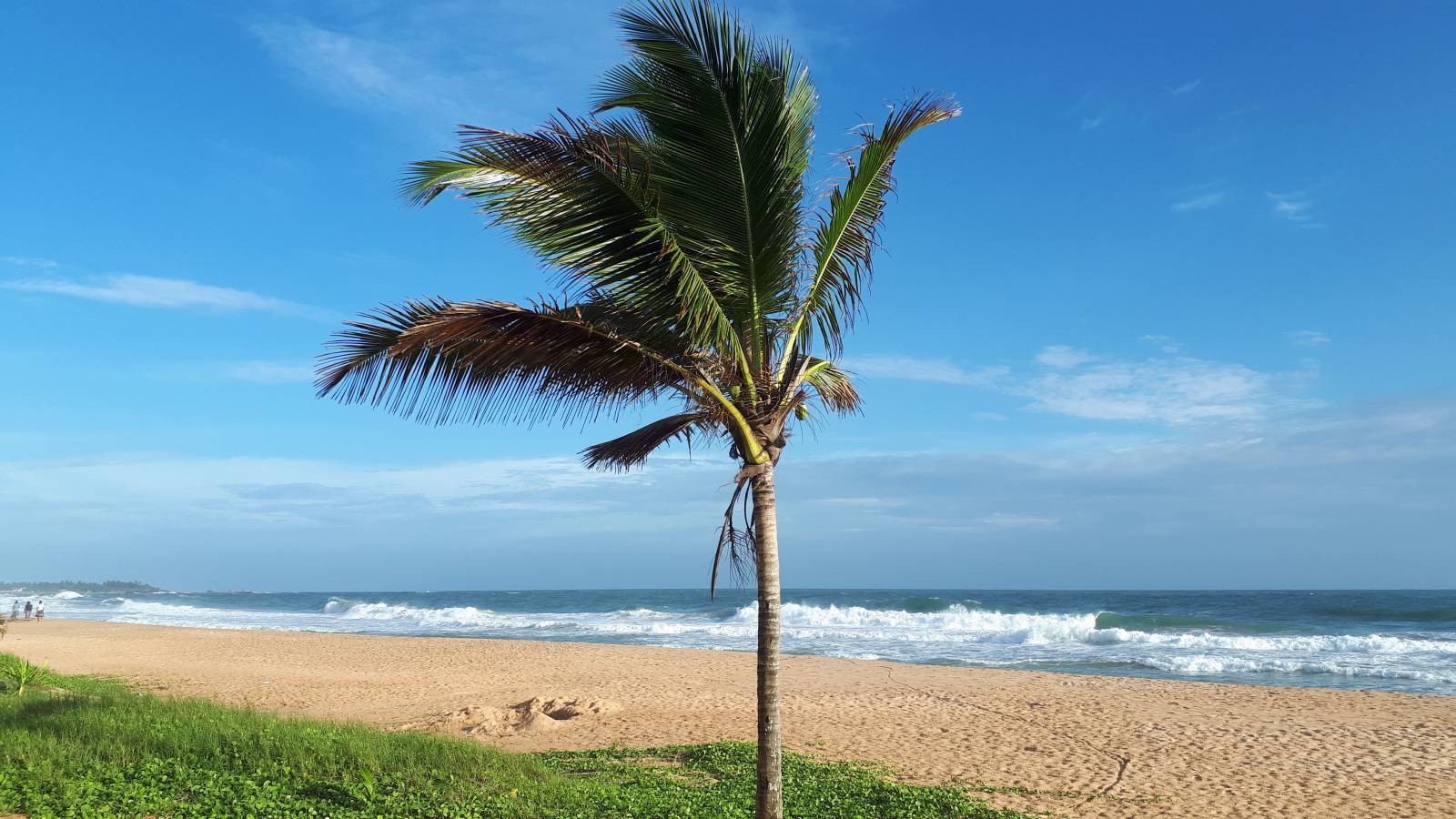
- It is a palm, not a tree in the botanical sense: Cocos nucifera is the only living species in the genus Cocos.
- It does not fruit immediately: FAO notes that nuts appear from around five years; productivity is usually highest at 15–50 years and then declines. Timing depends on variety and conditions.
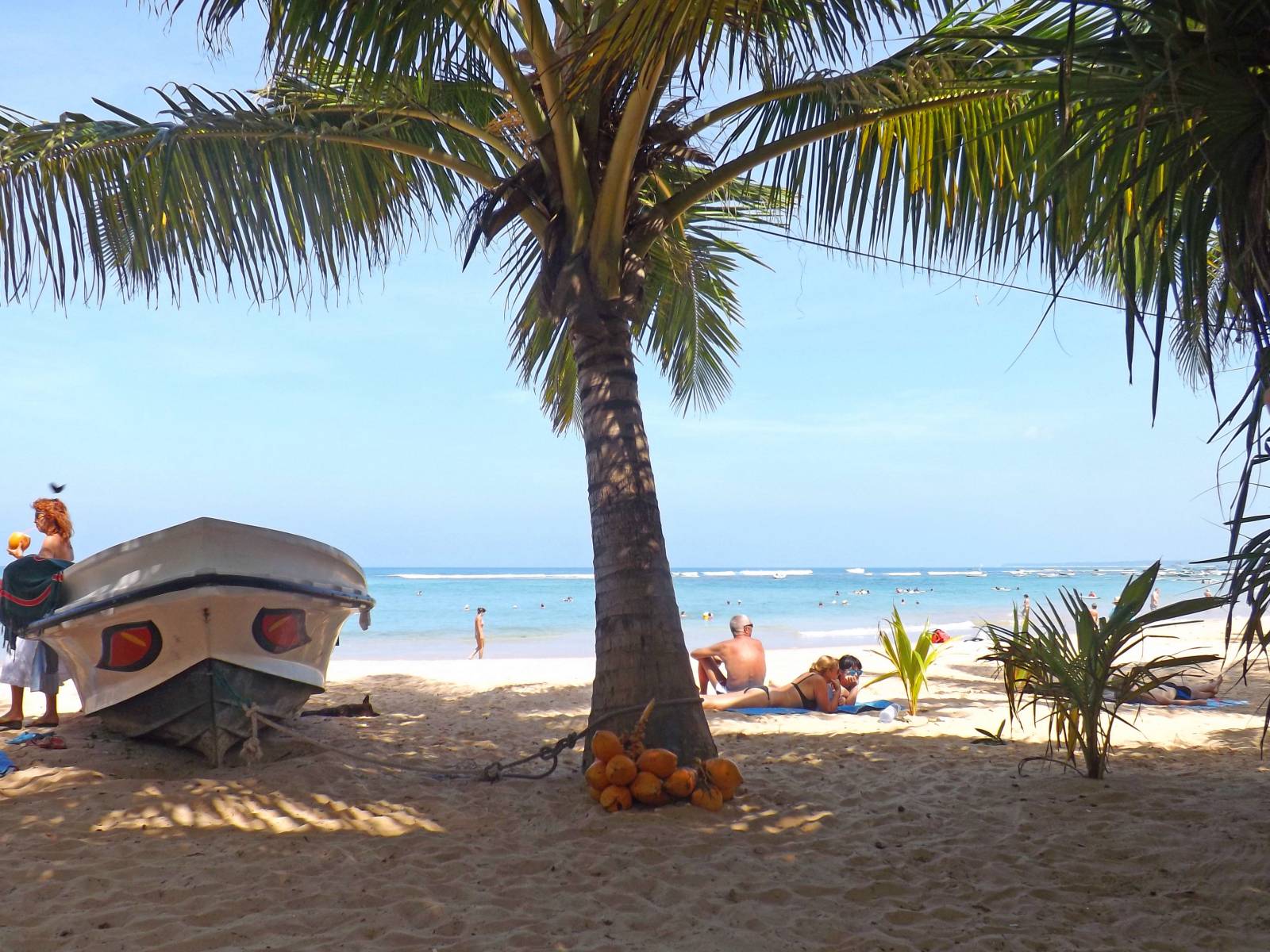
- The fruit can travel: its thick fibrous husk helps it float and spread between coasts and islands.
- Coconut water and coconut milk differ: water is inside a young nut; milk is made from grated flesh and water.
- A coastal palm is not coastal protection: plants may stabilise soil locally but do not replace engineering works or make a shore safe in a storm.
Where to check information
For Sri Lankan cultivation and industry information, see the Coconut Research Institute of Sri Lanka. FAO explains coir, coir pith and traditional uses. For legal questions, use current local authority guidance rather than old articles. The rare formation called a coconut pearl is described in Nature. Sources checked 2026-09-01.
Comments
Read also
All articles
Sri Lanka or Thailand: Which Is Better for a Holiday, Winter Escape, or Long Stay?
A practical comparison of Sri Lanka and Thailand for a holiday, winter escape, remote work, or a longer stay: beaches, seasons, costs, infrastructure, visas, transport,…
Best souvenirs from Sri Lanka
After holidays in such a wonderful country like Sri Lanka, I'm sure that everyone wants to bring a piece of it to home. That kind…

Healing Ayurvedic tea for colds Samahan
Samahan tea has 14 different plants in its composition, which are collected in the most ecologically clean regions of beautiful Sri Lanka, on the world…

Where to Post an Ad in Sri Lanka: Sell an Item, Offer a Service or Find Customers
A practical guide to selling items, offering services, renting out property and finding customers in Sri Lanka.
Why a Sri Lankan Business Should Join the Places and Venues Directory
A detailed guide for Sri Lankan restaurants, hotels, coworking spaces, salons and other local businesses: what a directory listing adds, what to include and how…

Flights and visas for Sri Lanka
How to choose flights to Sri Lanka and check ETA, visas, arrival airports and entry documents before travelling.