Diving in Sri Lanka: Seasons, Best Dive Areas, Current Dive Centers, and Safety
Sri Lanka is not the Maldives or the Red Sea, where many travelers come primarily for diving. Here, scuba usually works best as part of a broader trip: a few days by the ocean, the highlands, a safari, ancient cities — and one or two days underwater. In that format, the island becomes especially interesting. Different coasts have opposite seasons, historic wrecks lie around the island, and both the east and south offer a mix of reefs, turtles, rays, reef sharks, and regular beach life.
The key is choosing the right coast for your travel dates and not relying on photos alone. Visibility, current, swell, and even access to a specific dive site can change. A good dive center therefore matters more than a glossy list of “best dive spots.”
Information on dive centers, seasons, and safety standards in this article was checked in September 2026.
When Is the Best Time to Dive in Sri Lanka?
Sri Lanka has two main diving seasons, shaped by the monsoons.
The south and west coasts — Hikkaduwa, Unawatuna, Galle, and Mirissa — generally operate from around November to April. Individual centers may open from mid-October or November 1 and close during the first half of April.
The east coast — Trincomalee and Nilaveli — usually runs from around March or April through October. For example, Divinguru is operating its east-coast season through the end of October in 2026, while Mirissa Collective lists late April to mid-October for Nilaveli.
That does not mean every day inside the season will be good. Strong wind, swell, rain, current, or poor visibility can cancel a boat trip even in an “ideal” month. It is sensible to leave at least one spare day in your schedule and avoid placing your most important dive immediately before a flight or a long overland transfer.
Where to Dive: The Main Areas
Hikkaduwa
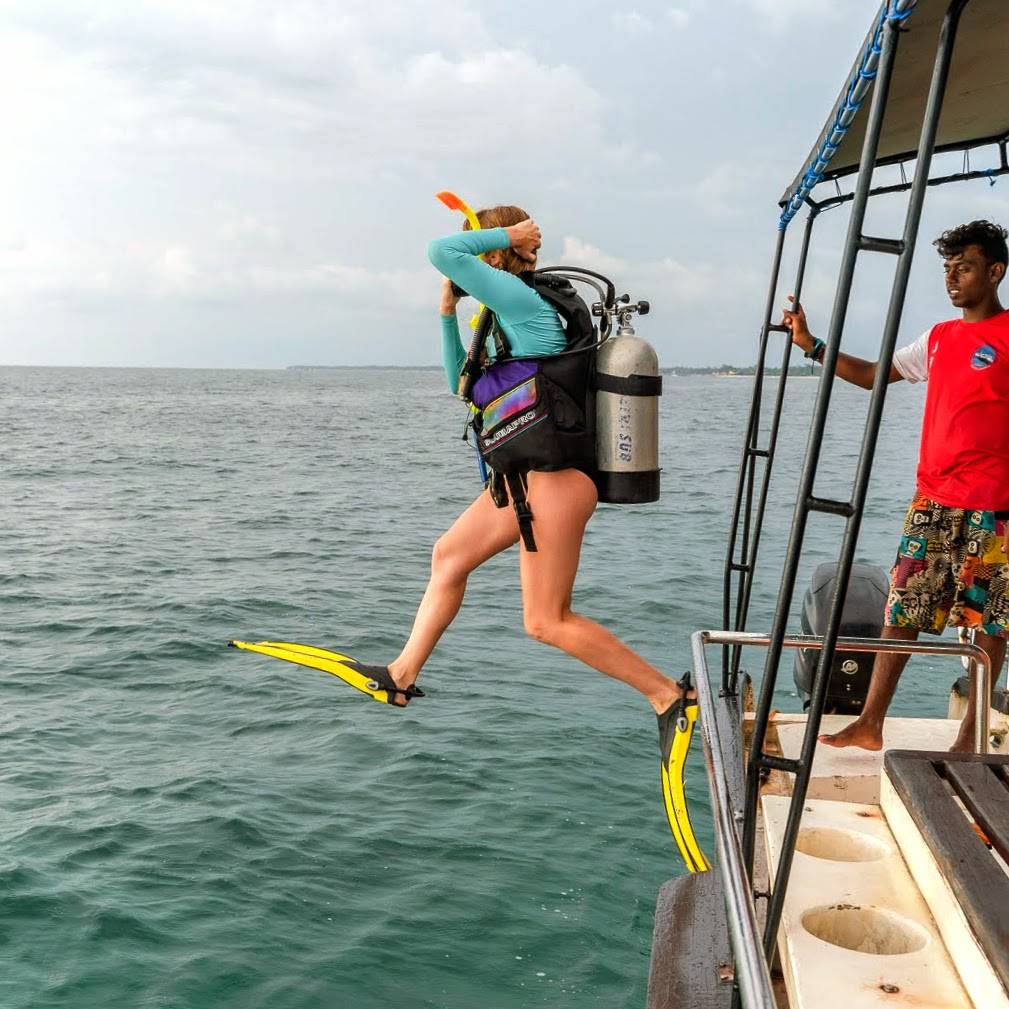
Hikkaduwa is one of the easiest places for a first introduction to diving in Sri Lanka. It has strong tourist infrastructure, several active dive centers, reef sections, rocky formations, and wreck sites. There are sites suitable for beginners as well as separate locations for certified divers.
Its main advantage is choice. If one center does not suit you in terms of language, price, schedule, or program, you can compare several alternatives without changing destination.
Hikkaduwa is also one of the easiest places for international travelers who care about language support. At least two active PADI centers currently list multiple working languages in addition to English.
The best period is usually November to April.
Unawatuna and Galle
Unawatuna is particularly interesting for divers who want a mix of reefs, rocky sites, and wreck diving. The Galle area has several wrecks at different depths, along with reef and rock formations closer to shore.
Do not choose a dive purely because of the name of the wreck. Ask about depth, current, entry and exit, certification requirements, and whether any penetration is permitted. Observing a wreck from the outside and entering the structure are very different risk categories.
Divinguru currently lists its Unawatuna season from November 1 to April 10.
Mirissa
Mirissa is best known for whale watching, but its diving scene has also developed. There are reef sites, turtles, moray eels, regular fun dives, beginner programs, and PADI training.
One practical advantage is the option to begin a first scuba experience in a swimming pool rather than going straight from the boat. Diving Mirissa / Mirissa Collective, for example, starts Discover Scuba Diving in the pool and moves to the ocean only when the participant is ready.
The southern season here generally runs from November to early April.
Trincomalee and Nilaveli
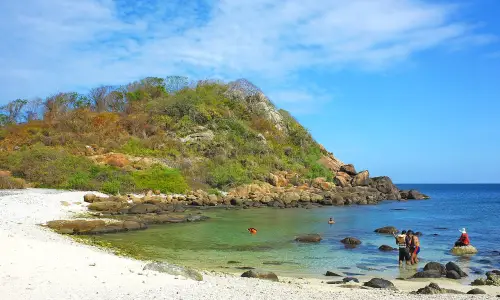
The east coast is the main choice for trips during the middle of the year. Trincomalee and Nilaveli provide access to reefs, shallow training sites, wrecks, and the Pigeon Island Marine National Park area.
Pigeon Island is especially attractive for snorkeling and shallow reef diving. In the shallows you can encounter coral, large numbers of reef fish, turtles, and blacktip reef sharks. But it is a national park: entry and boat access are regulated separately, and the fact that an animal appears in a site description does not guarantee a sighting.
Several PADI centers currently operate on the east coast, so it is better to compare the program and what is included in the price instead of booking the first option you find.
Great Basses and Little Basses
These remote reefs off the southeast coast are mainly relevant to experienced divers. Open-sea conditions, boat logistics, current, actual group experience, and the evacuation plan matter more here than on a simple local reef dive.
This is not a trip to treat as the “next step” after a first try-dive. Before booking, ask the operator for the exact profile: boat time, maximum depth, certification requirements, expected current, and what happens if the weather changes.
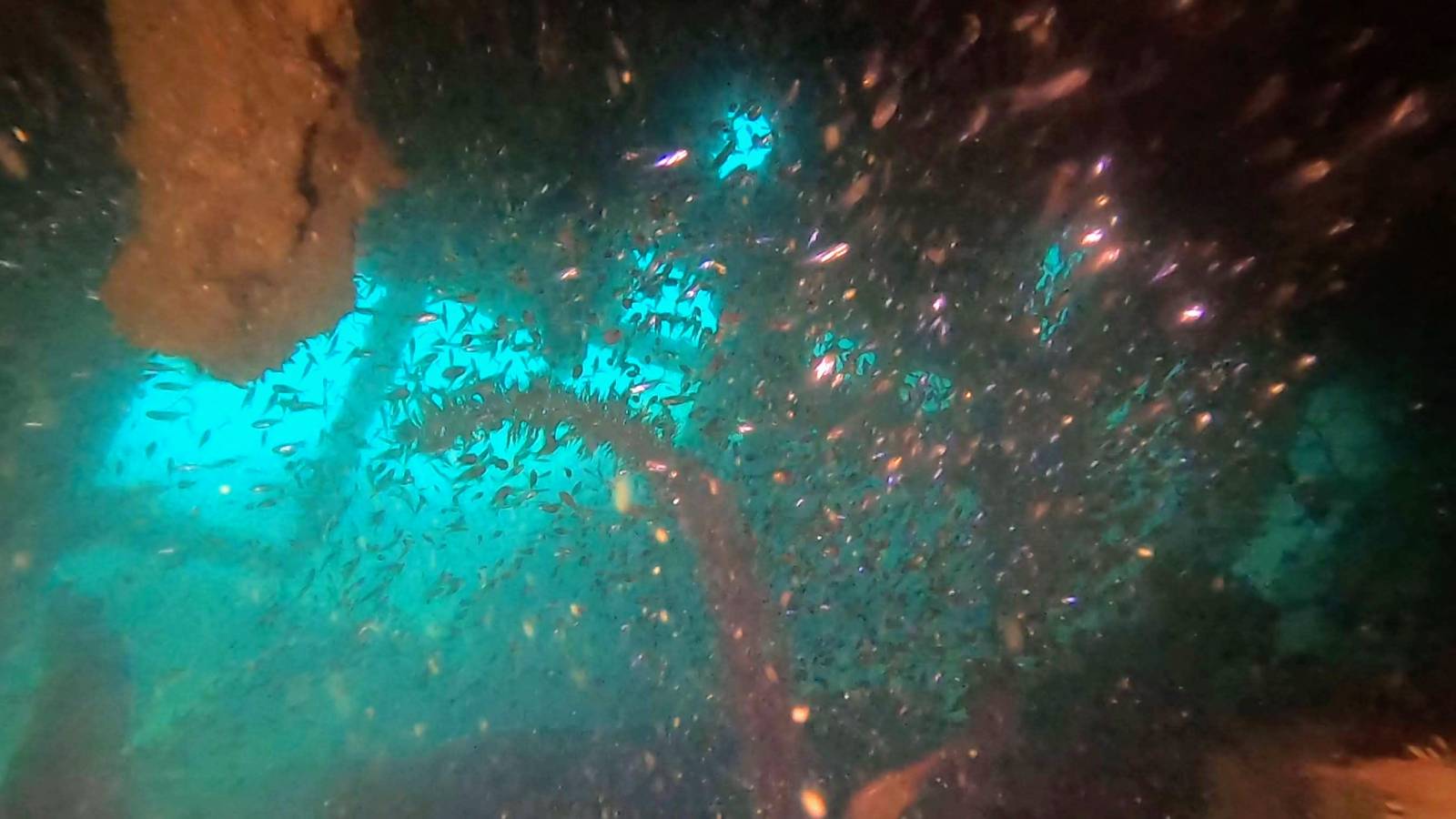
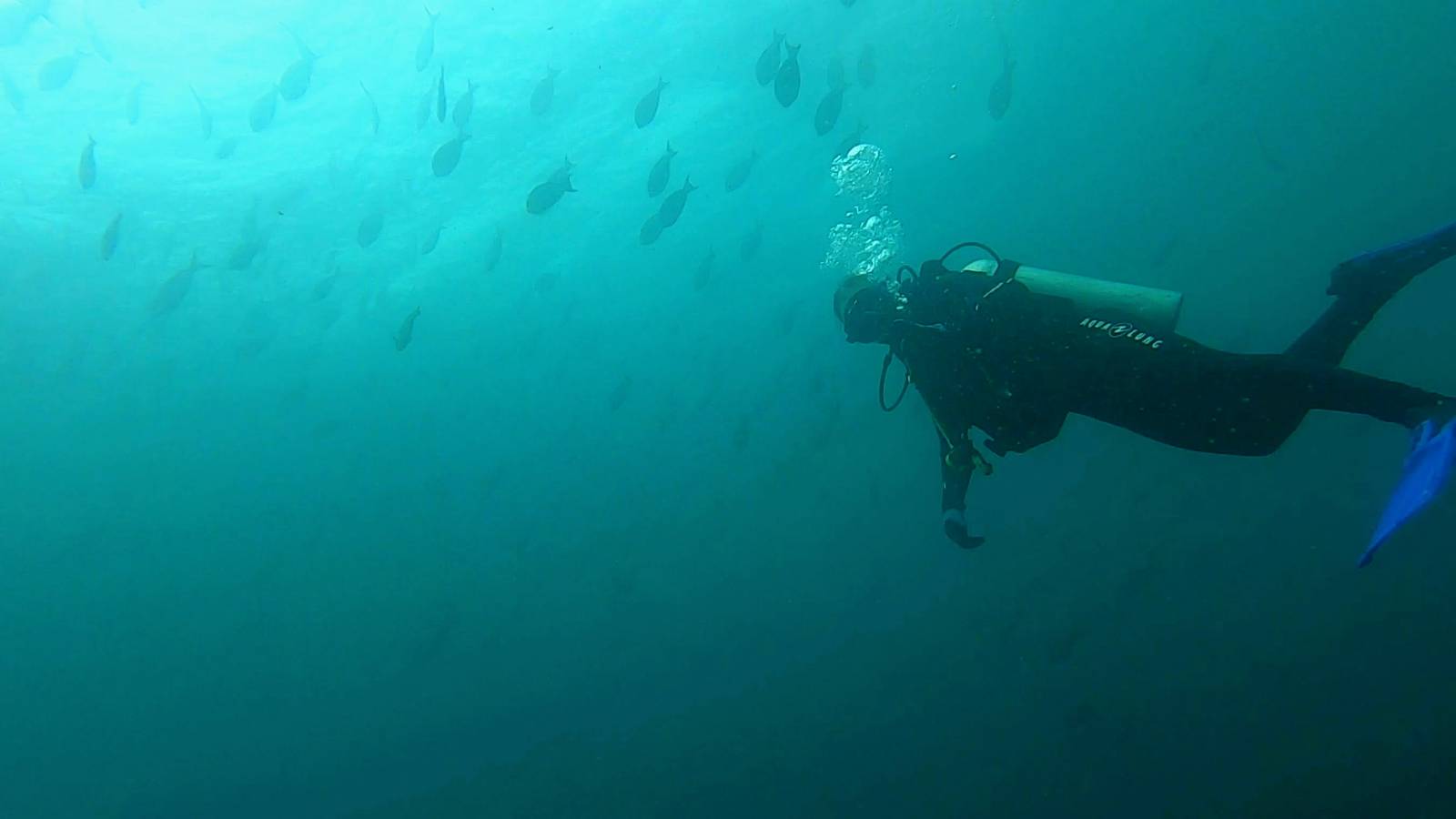
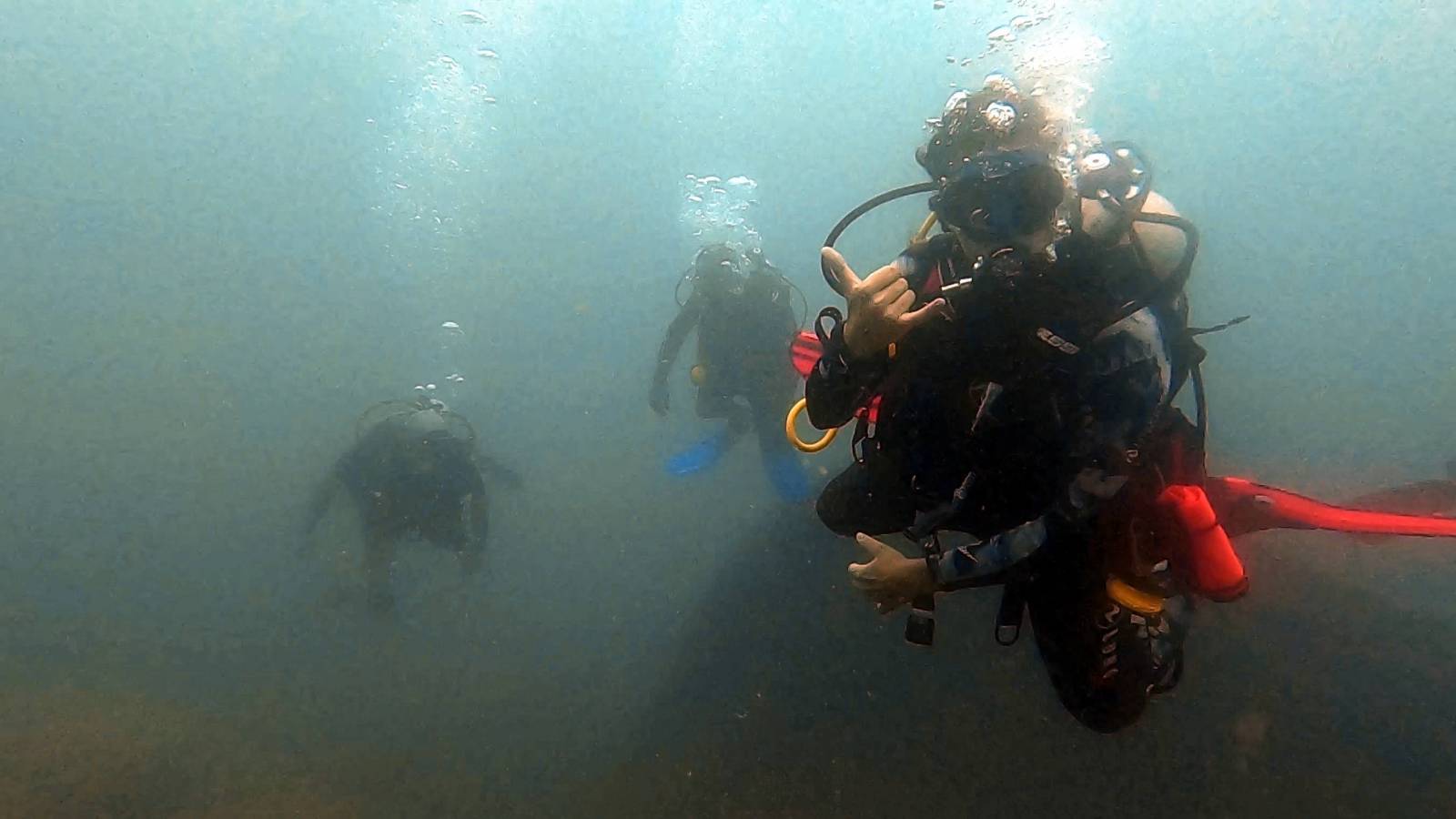
Wreck Diving: One of Sri Lanka’s Strongest Attractions
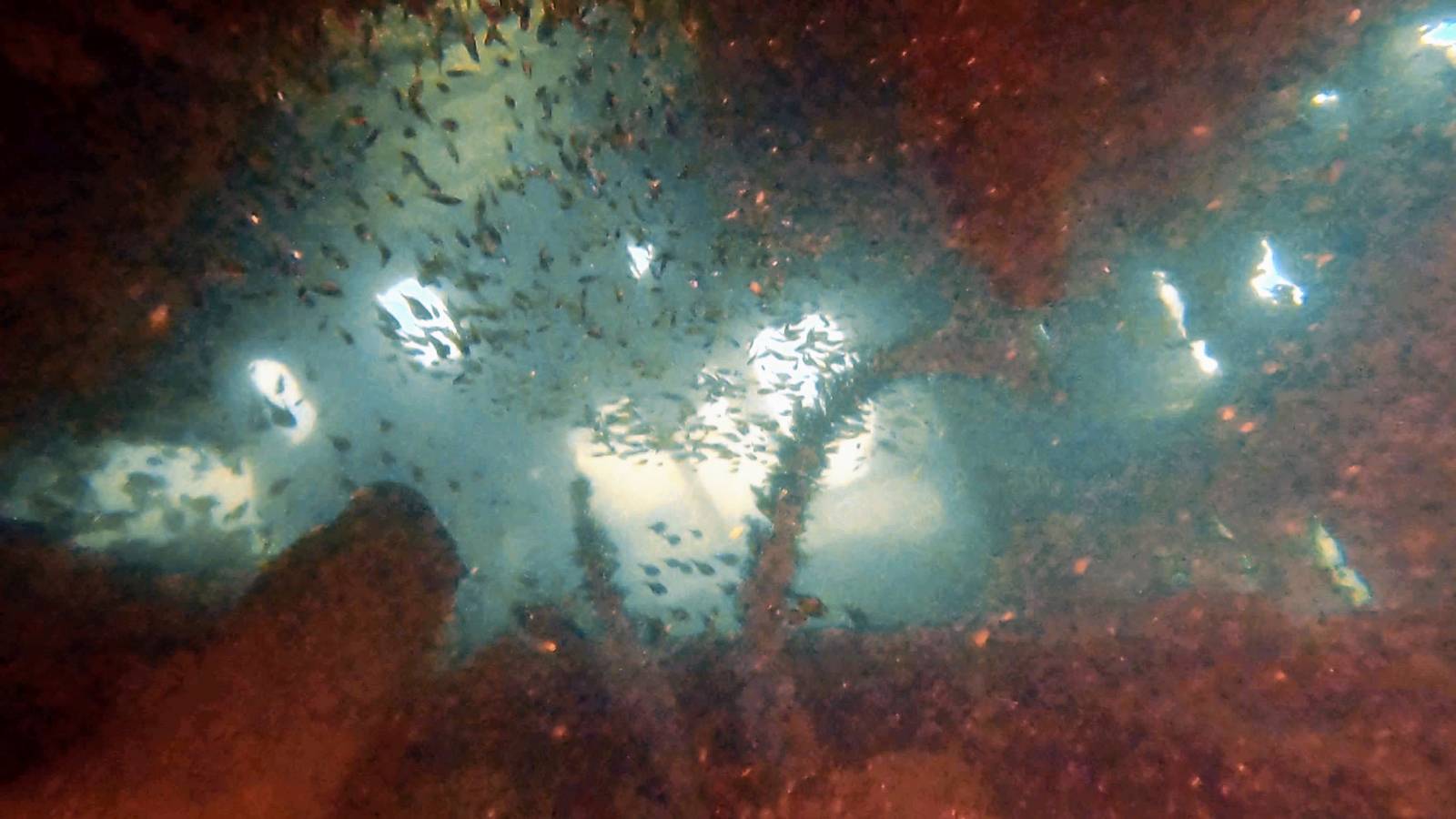
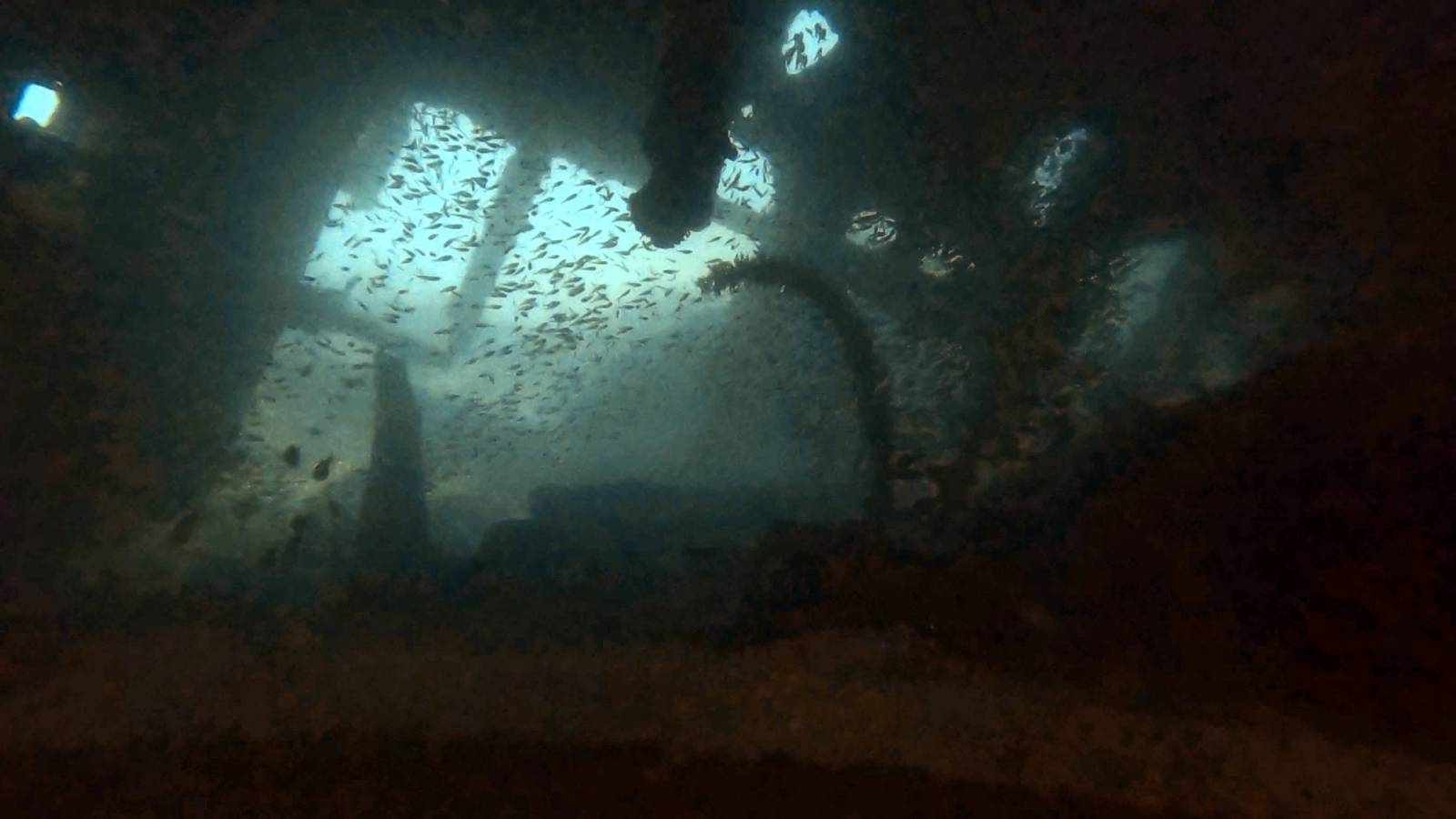
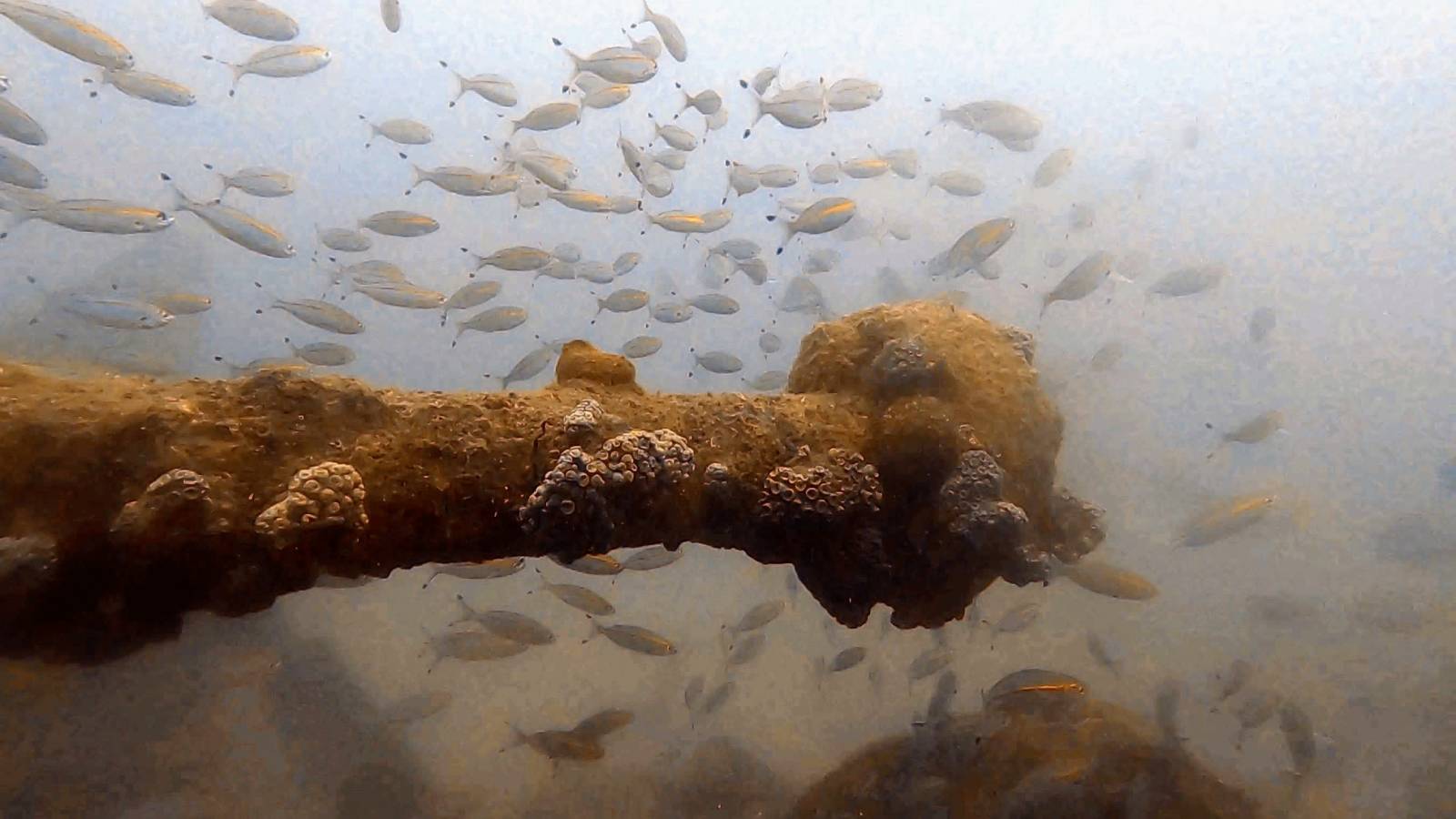
Sri Lanka has many wrecks from different periods, from merchant vessels to World War II-era sites. Well-known names include SS Conch, Earl of Shaftesbury, and HMS Hermes.
Depth and accessibility matter enormously. HMS Hermes, for example, lies at around 55 meters and is not a normal recreational dive for the average visitor. More importantly, current Sri Lanka Tourism Development Authority guidance for registered operators explicitly states that dives deeper than 30 meters are prohibited within those operating standards.
So the marketing phrase “dive a famous wreck” tells you very little by itself. You need the exact wreck, depth, certification requirement, current permissions, and dive format.
Even on an accessible wreck, penetration should not be attempted without specific training. Loss of visibility, sharp metal, fishing line, confined spaces, and the inability to make an immediate ascent all increase risk sharply. Historical objects should never be removed from a wreck site.
How to Choose a Dive Center: Current Options for 2026
Sri Lanka has many small operators, so an agency name such as PADI or SSI is useful, but it does not guarantee the quality of a particular day’s operation. Instructor qualifications, equipment condition, group size, emergency planning, and the willingness to cancel in poor conditions matter more.
Below are several active centers whose current status can be confirmed through PADI profiles and official websites.
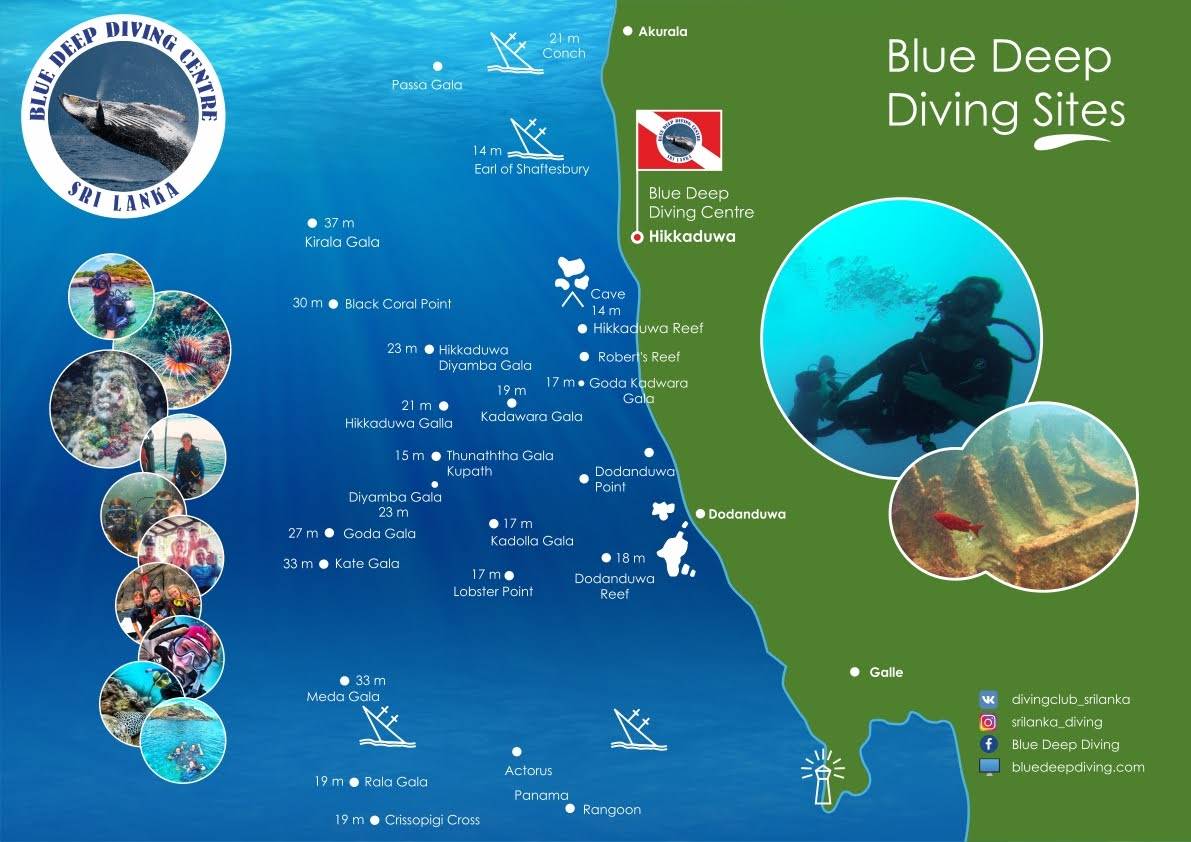
Blue Deep Diving — Hikkaduwa and Trincomalee
Blue Deep has operated in Sri Lanka since 1995 and holds PADI Resort status. It works in Hikkaduwa during the south-coast season, roughly November to April, and shifts to the east coast around Trincomalee from approximately April to October.
For international travelers, the main advantage is multilingual support. The official website and PADI profile currently list English, Russian, and French.
Official website: bluedeepdiving.com
Dive For You — Hikkaduwa and Nilaveli / Trincomalee
Dive For You is a PADI 5 Star Dive Resort with a Hikkaduwa base near Hikka Tranz and an east-coast location in the Nilaveli area. It offers fun dives, PADI courses, freediving, and first-aid training.
Its current PADI profile lists English, German, and Russian among the available languages.
Official website: diveforyou.com
Divinguru — Unawatuna and Nilaveli
Divinguru has operated since 1999 and runs several bases. Unawatuna is open in the southern season, roughly November 1 to April 10. Nilaveli runs during the eastern season, roughly from mid-March to the end of October. The Trincomalee operation is currently handled through the Nilaveli base.
It is a PADI 5 Star IDC Dive Resort. The center states that it keeps groups small, with a maximum of five divers per guide, has emergency oxygen on site, and carries portable DAN oxygen systems on boats. Unawatuna and Nilaveli are also presented as SLTDA-approved operations.
The team is multilingual, but current PADI information for Unawatuna does not list every language. If you need a language other than English, confirm it before paying.
Official website: divinguru.com
Diving Mirissa / Mirissa Collective — Mirissa and Nilaveli
This is an active PADI Dive Center with bases on two coasts. Mirissa operates roughly from November 1 to April 10, while Nilaveli runs from late April to mid-October.
For beginners, one useful feature is that Discover Scuba Diving starts in a swimming pool before moving into the ocean. The center also publishes current prices, which makes it easier to understand the full budget before booking.
Its current PADI profile lists English and French.
Official website: mirissacollective.com/diving
International Diving School Trincomalee — Nilaveli
A PADI 5 Star Dive Resort in the Pigeon Island Beach Resort area. The center has operated since 1988 and remains a fully local school. Its PADI profile lists English-speaking instructors and seasonal German support.
It is a practical option for travelers staying directly around Nilaveli.
Official website: internationaldivingschool.com
Diving Club — Trincomalee
This active PADI center in Trincomalee was previously known as Sea World Diving Center. Its current website states more than 15 years of experience on the water and groups limited to five divers.
The confirmed working language is English. It is a useful option for travelers who want Trincomalee itself rather than Nilaveli and who want to compare a local school with larger operations.
Official website: divingclub.lk
Language Support: What to Confirm Before Booking
For an English-speaking traveler, finding a center that can brief in English is usually straightforward in the main diving areas. The more important question is whether the person answering messages is the same person who will actually lead the dive.
Before paying, ask:
- who your instructor or divemaster will be;
- what language the full safety briefing will be in;
- whether the same person will accompany the group underwater;
- whether all emergency instructions can be explained clearly in that language.
If English is not your first language, this matters even more. A multilingual manager on WhatsApp is not the same as having an instructor you can fully understand before and during a first dive.
Blue Deep currently lists English, Russian, and French. Dive For You lists English, German, and Russian. Diving Mirissa lists English and French. Other centers may have additional seasonal staff, but that should be confirmed directly.
What SLTDA Requires from a Proper Dive Center
The Sri Lanka Tourism Development Authority has a dedicated guideline for scuba diving and snorkeling operators. Many of its requirements are useful as a practical checklist for travelers.
A properly run center should have:
- an emergency action plan;
- emergency pure oxygen;
- insurance for staff and participants, including coverage for decompression-chamber treatment;
- qualified staff with valid credentials from a recognized training agency;
- staff trained in first aid;
- diver registration and emergency-contact details;
- a medical questionnaire before diving;
- a briefing covering depth, current, entry, exit, hazards, and environmental protection;
- properly maintained equipment;
- communication and signaling procedures for the boat.
SLTDA also specifies a safety stop of at least three minutes at around five meters and prohibits dives deeper than 30 meters within these operating standards.
If a center cannot clearly explain where the oxygen is, who makes the call to cancel a boat trip, and what the emergency plan is, the logo on the wall matters very little.
Your First Dive Without Certification
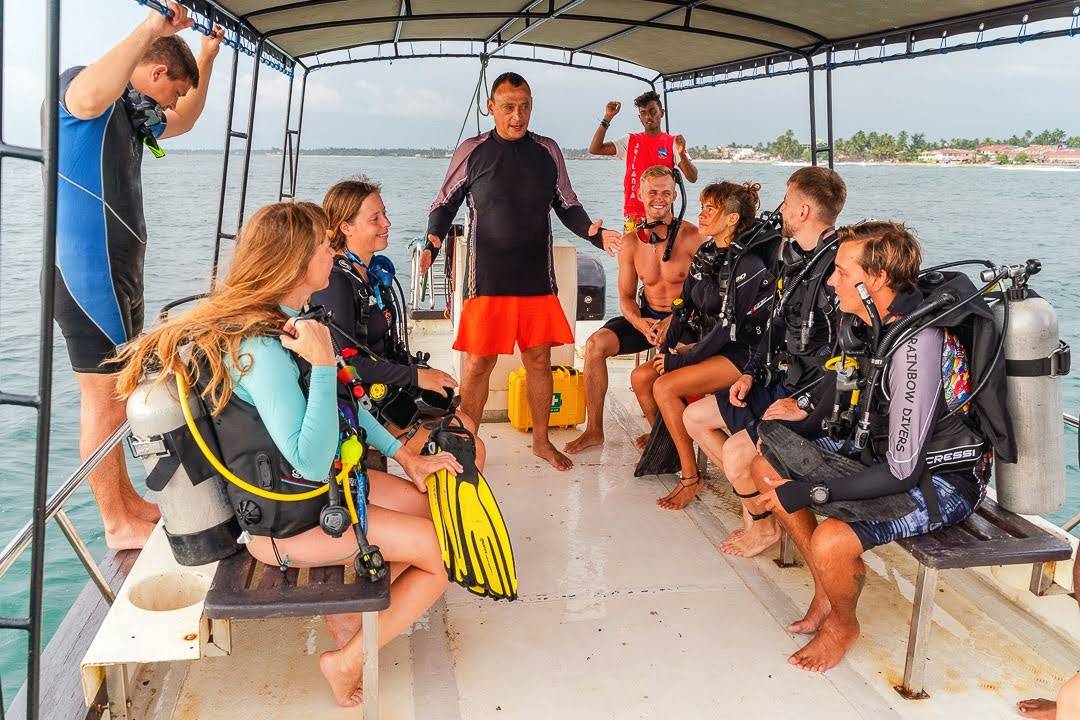
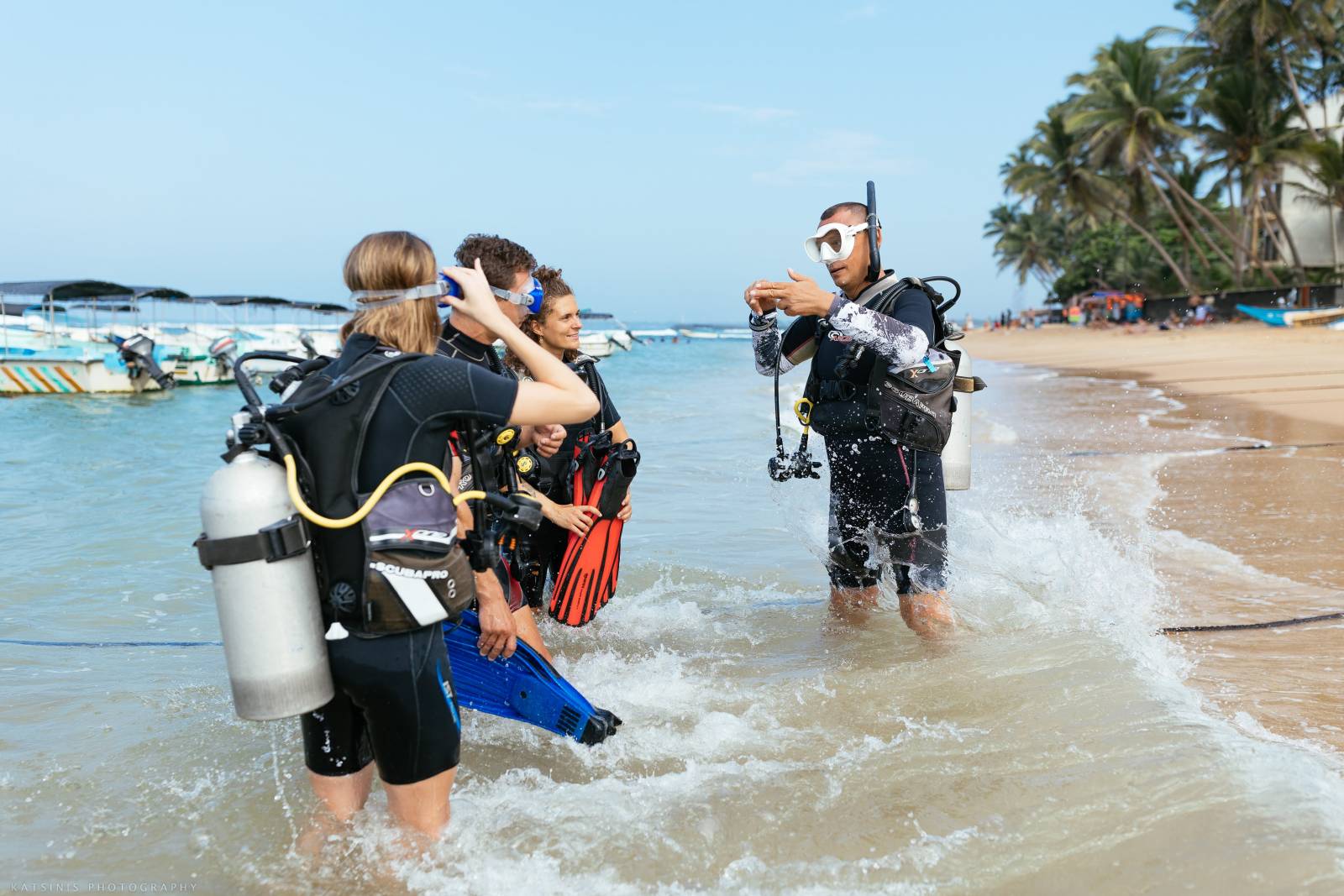
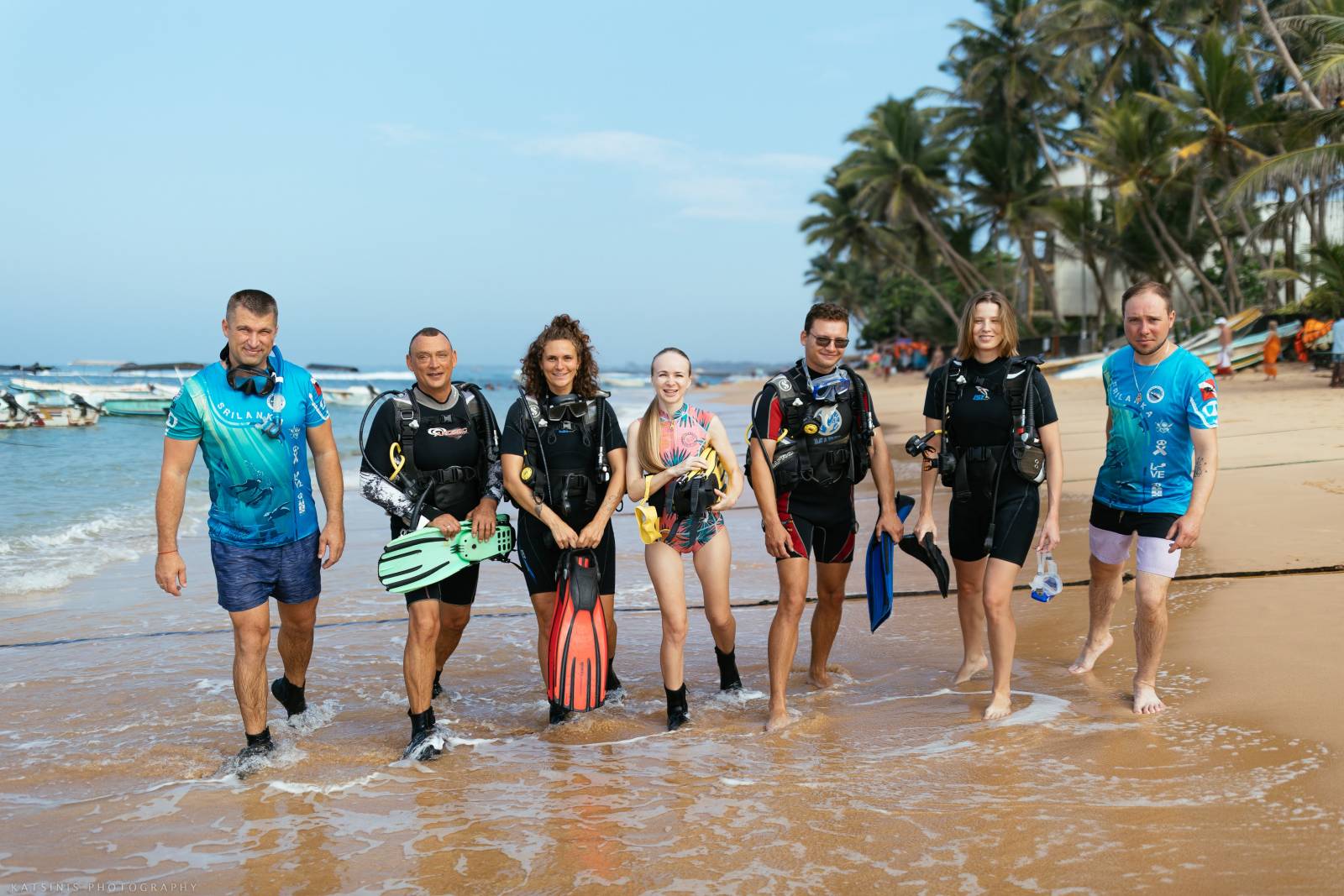
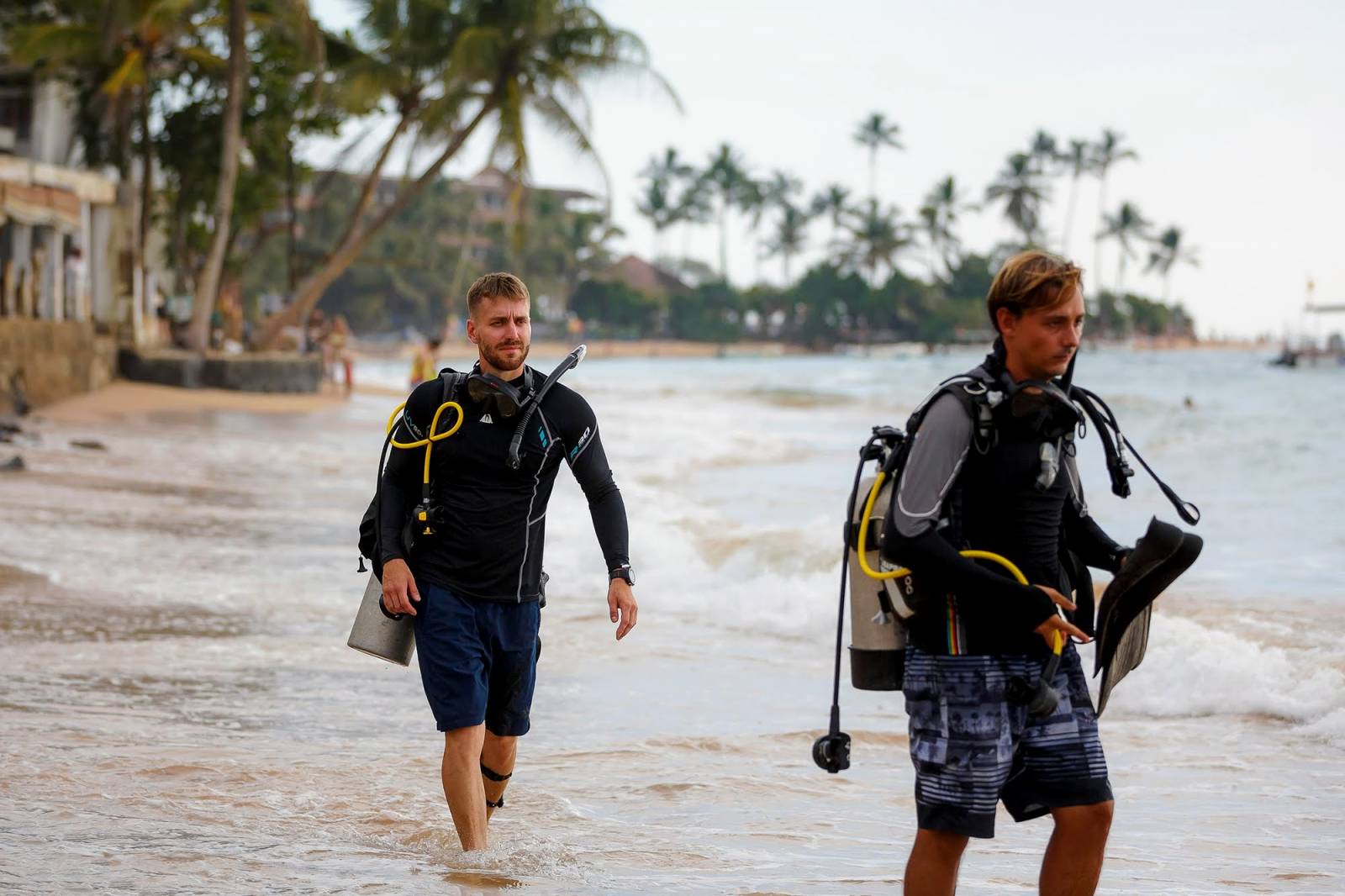
For someone without certification, the normal route is an introductory program such as PADI Discover Scuba Diving, not an attempt to “dive a real wreck” immediately.
Discover Scuba Diving is not a full certification. PADI limits the open-water portion of the experience to a maximum of 12 meters, and there is no need to reach that depth. The goal of the first dive is to learn to breathe calmly, equalize, understand signals, and remain in control.
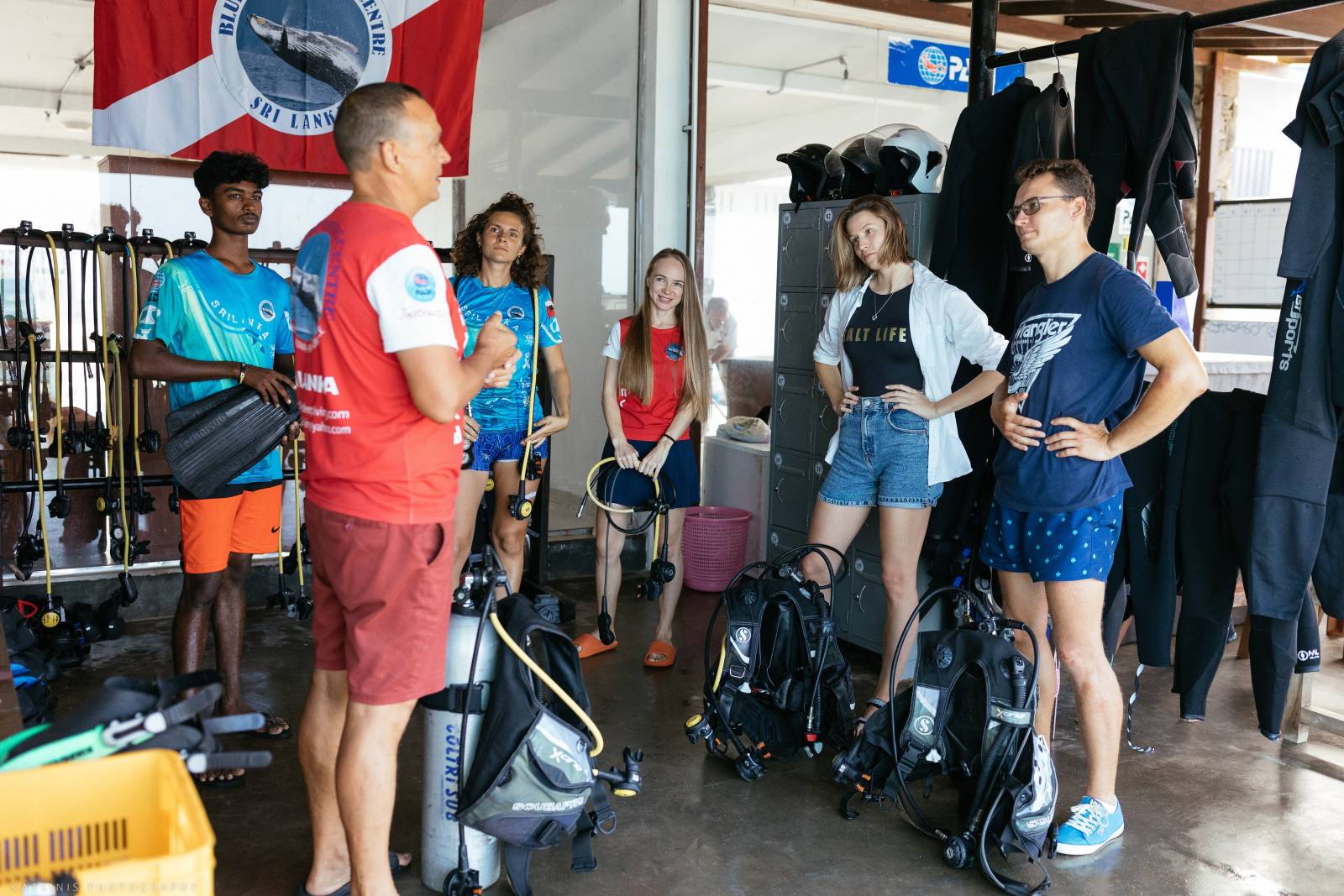
Before entering the sea, the instructor should explain the equipment, regulator and BCD use, equalization, hand signals, what to do if there is a problem with the mask or regulator, and how to end the dive.
If you still feel uncomfortable after the briefing, you can stop. A paid boat seat is not a reason to continue descending through fear, ear pain, or poor physical condition.
How Much Does Diving Cost in 2026?
There is no single “Sri Lanka diving price.” Cost varies widely by region, number of dives, boat use, equipment rental, course, national-park fees, and season.
For a current example, Mirissa Collective listed the following prices in September 2026:
- one fun dive in Mirissa — around LKR 15,200;
- two fun dives — around LKR 26,900;
- Discover Scuba Diving with one dive — around LKR 23,500;
- PADI Open Water Diver — around LKR 140,700.
These are not national average prices, only a current example from one operator. Hikkaduwa, Unawatuna, and Trincomalee may be priced differently.
When comparing centers, always ask whether the price includes equipment, tank, weights, boat, instructor, transfer, national-park entry, photos, taxes, and a replacement trip if the dive is canceled due to weather.
Safety Before, During, and After the Dive
Diving should not be considered automatically safe simply because it takes place in a tourist area. The main risks include ear and sinus barotrauma, decompression illness, gas problems, disorientation, current, entanglement, and injuries involving reef or boats.
Do not dive with a blocked nose, ear pain, poor health, or after drinking alcohol. If your ears do not equalize, stop descending and tell the instructor rather than trying to force through the pain.
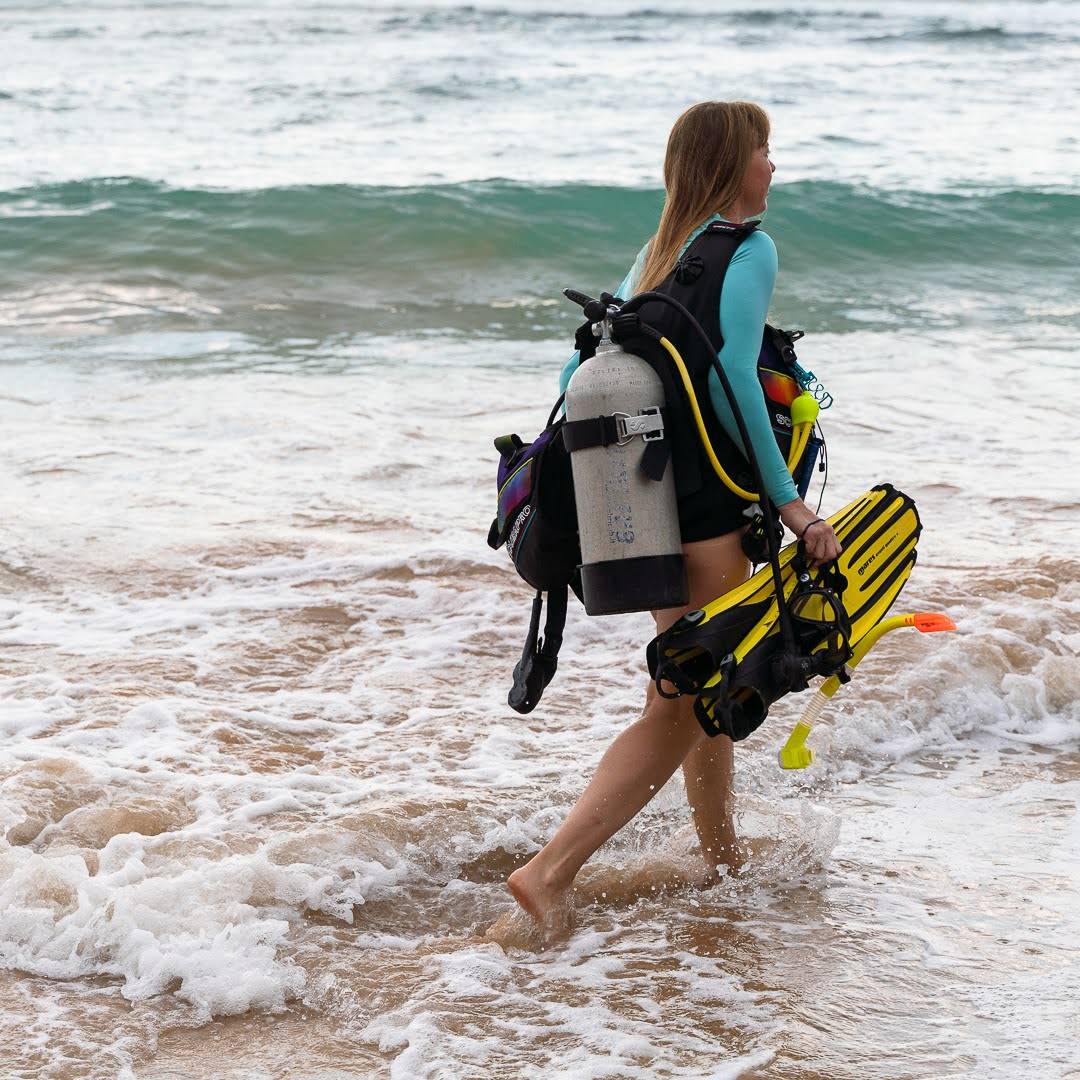
Before entering the water, check air, tank attachment, regulators, BCD, weights, mask, and fins with your buddy. The briefing should make the maximum depth, route, turn signal, minimum remaining gas, and lost-buddy procedure clear.
After diving, consider both flying and altitude gain. Divers Alert Network recommends at least 12 hours before flying after a single no-decompression dive and at least 18 hours after multiple dives in one day or several days of diving. After dives involving mandatory decompression, an even longer interval is needed.
This is especially relevant in Sri Lanka if you plan to travel from the coast to Ella or Nuwara Eliya after diving: a substantial increase in altitude also reduces ambient pressure.
Marine Life: What You Can Realistically See
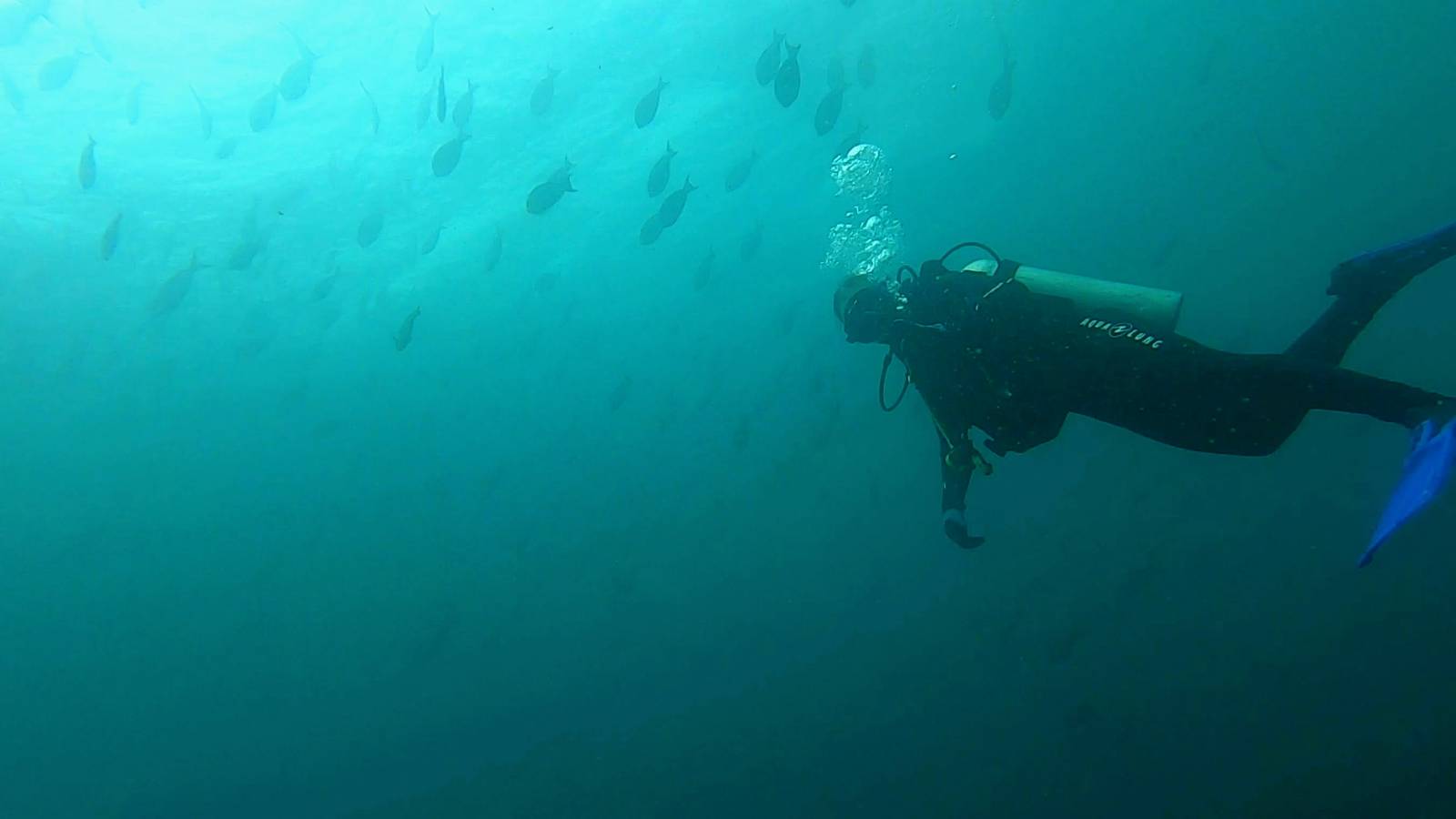
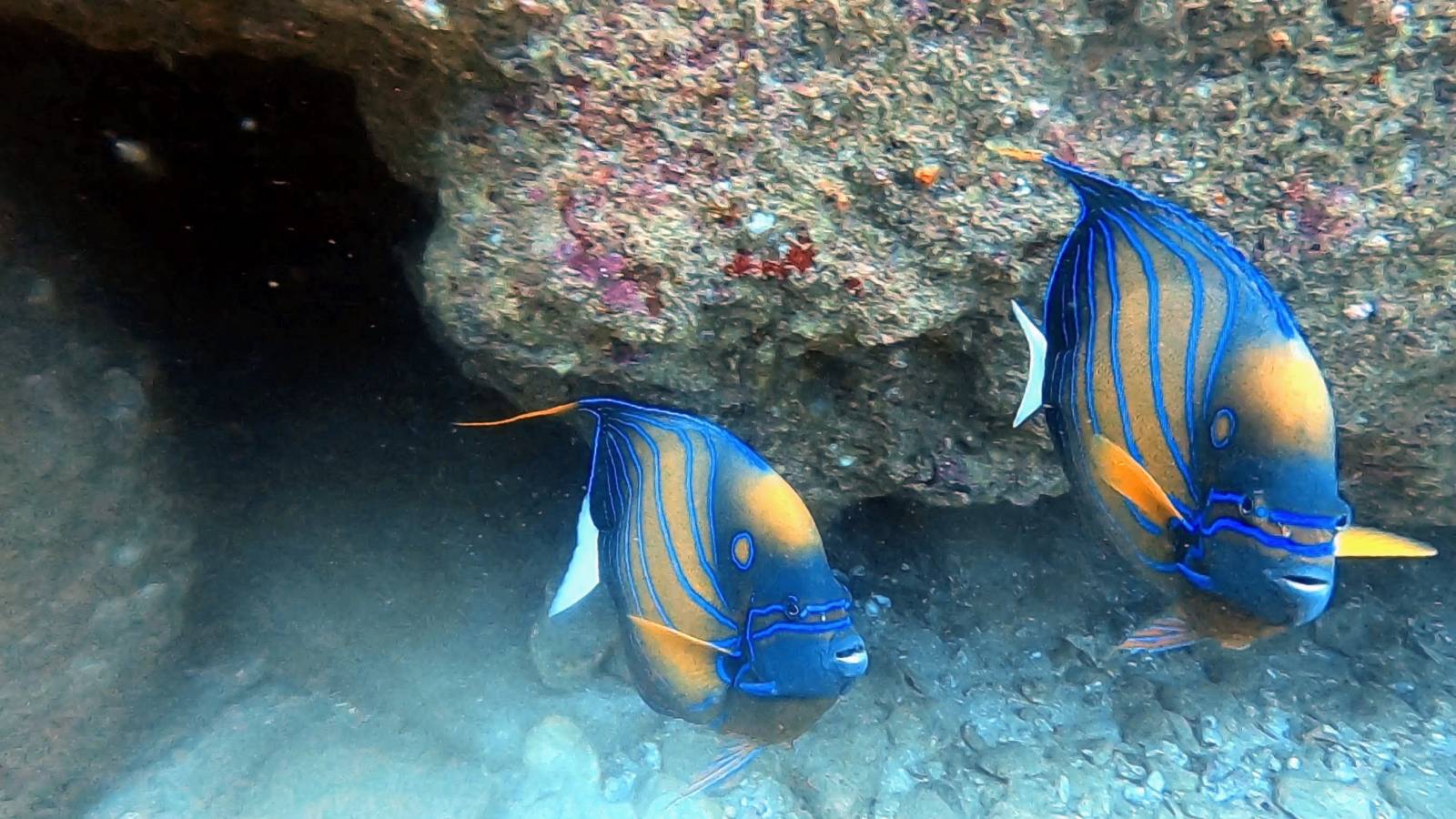
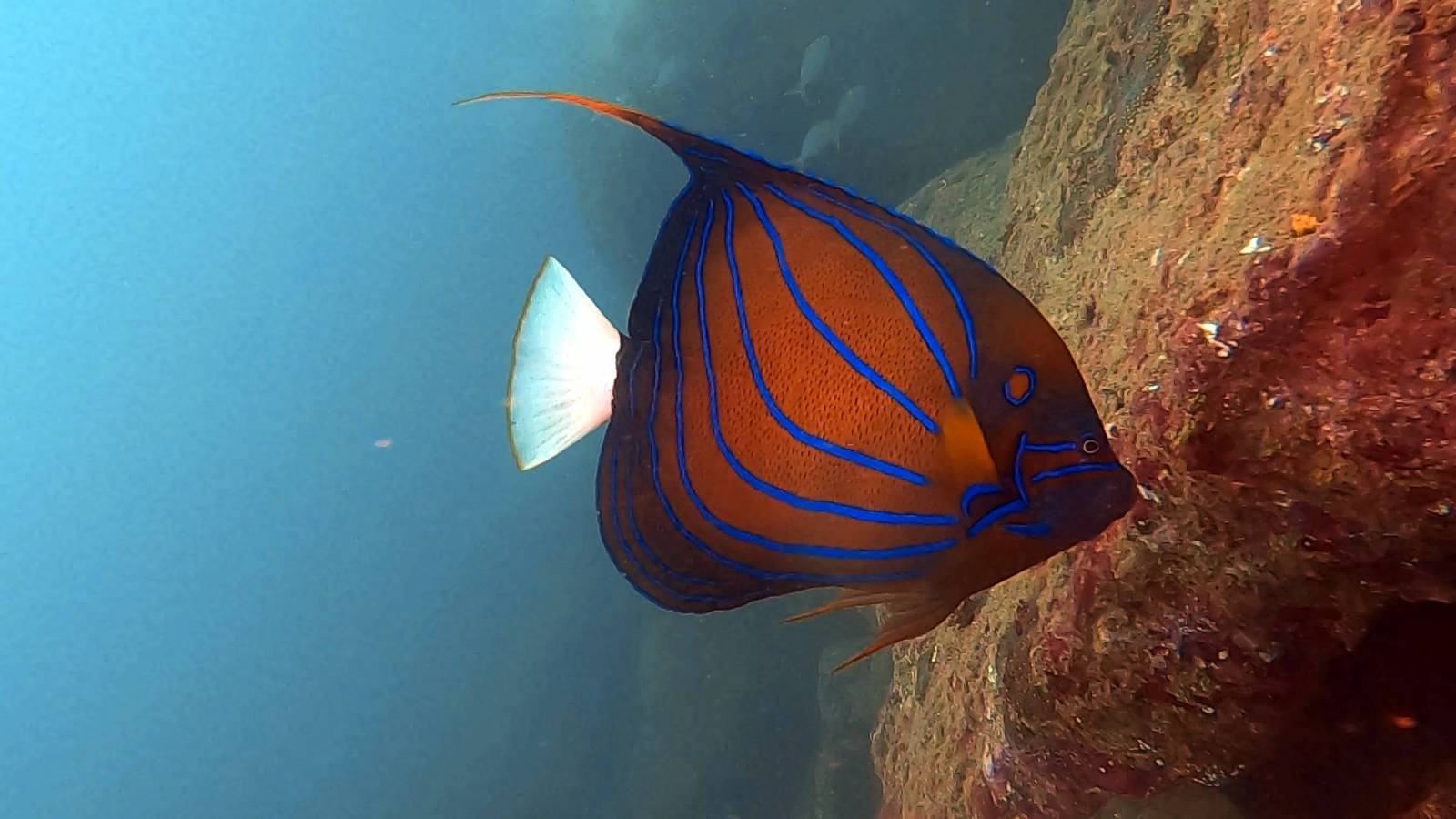
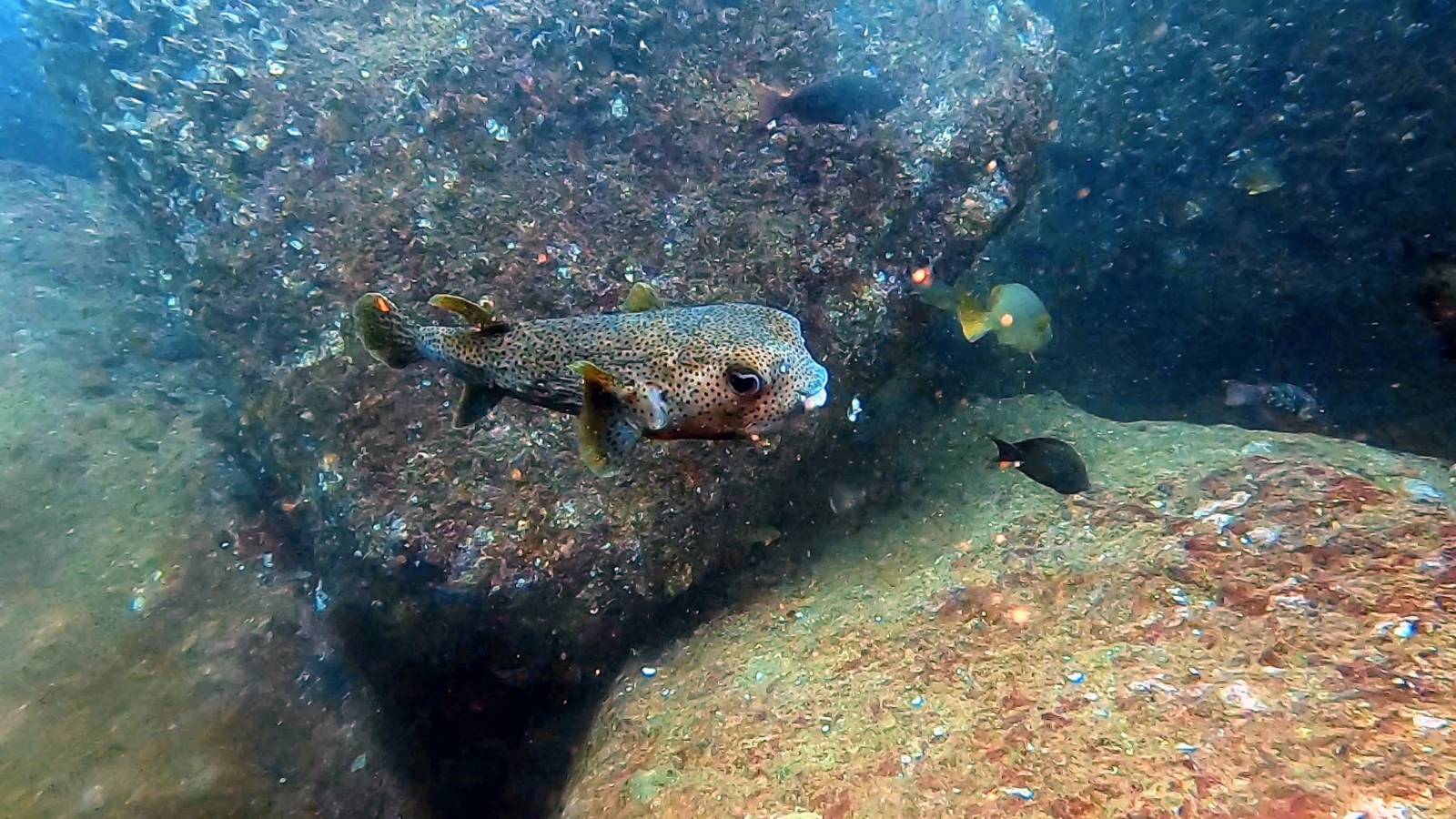
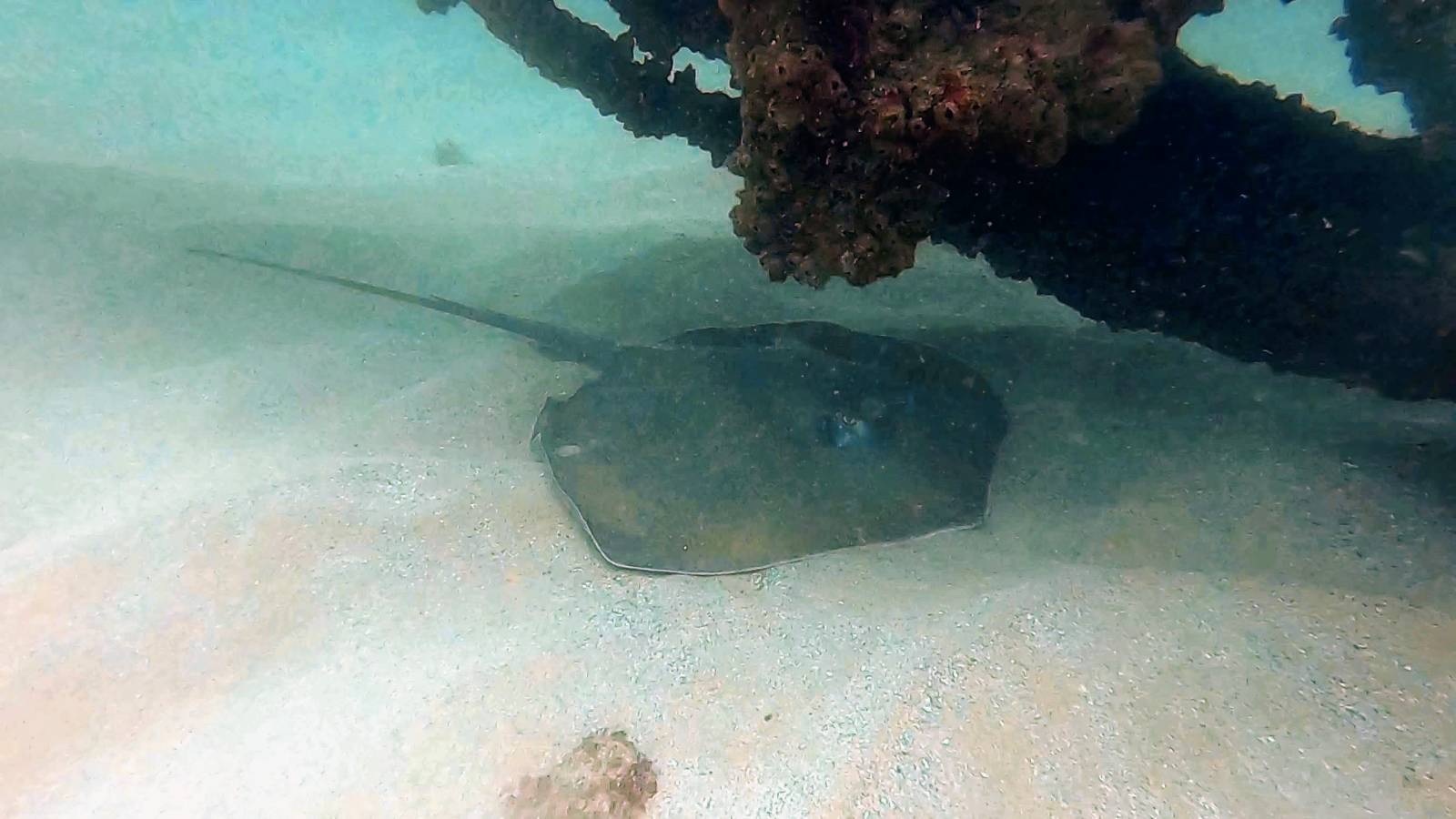
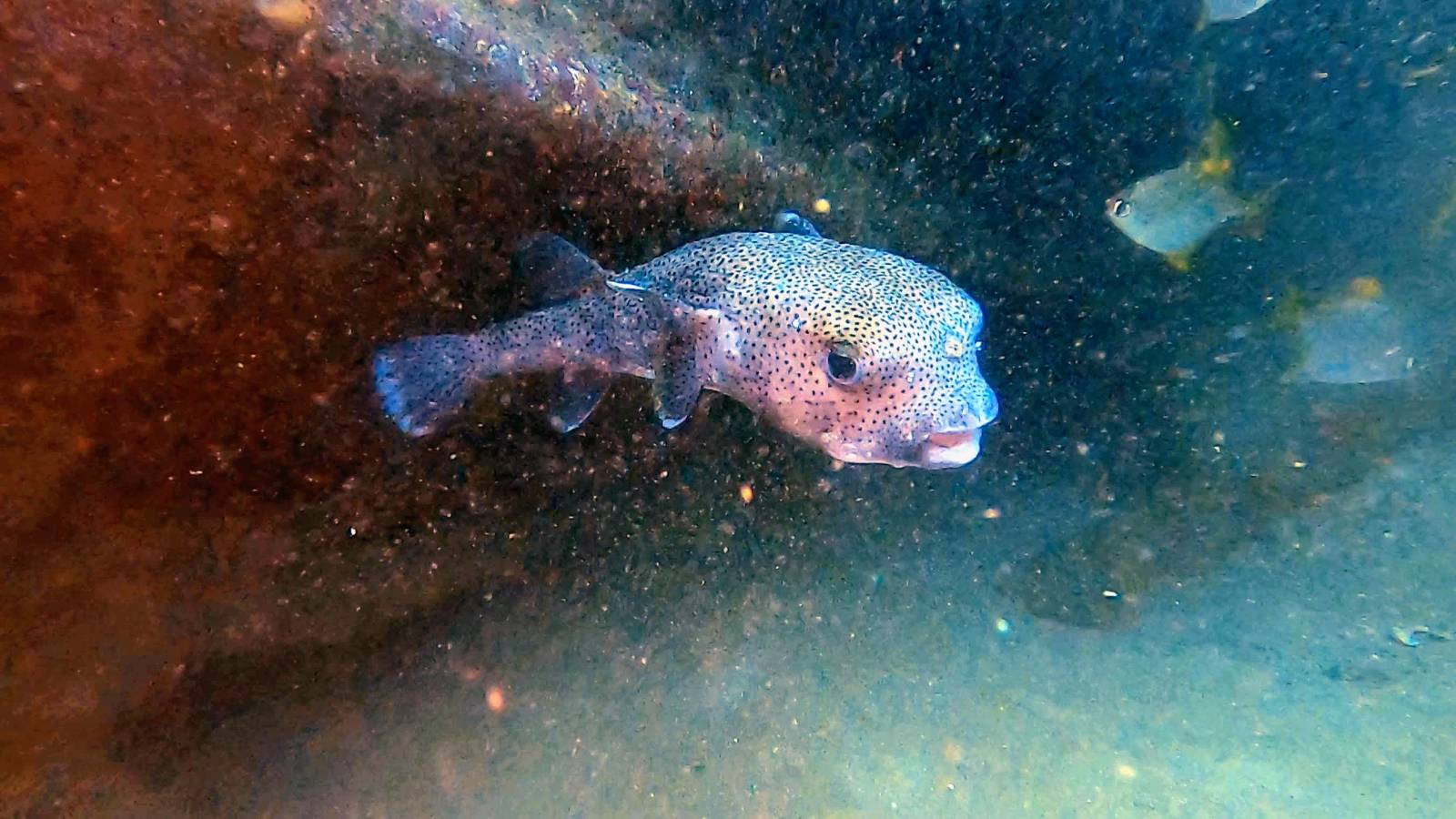
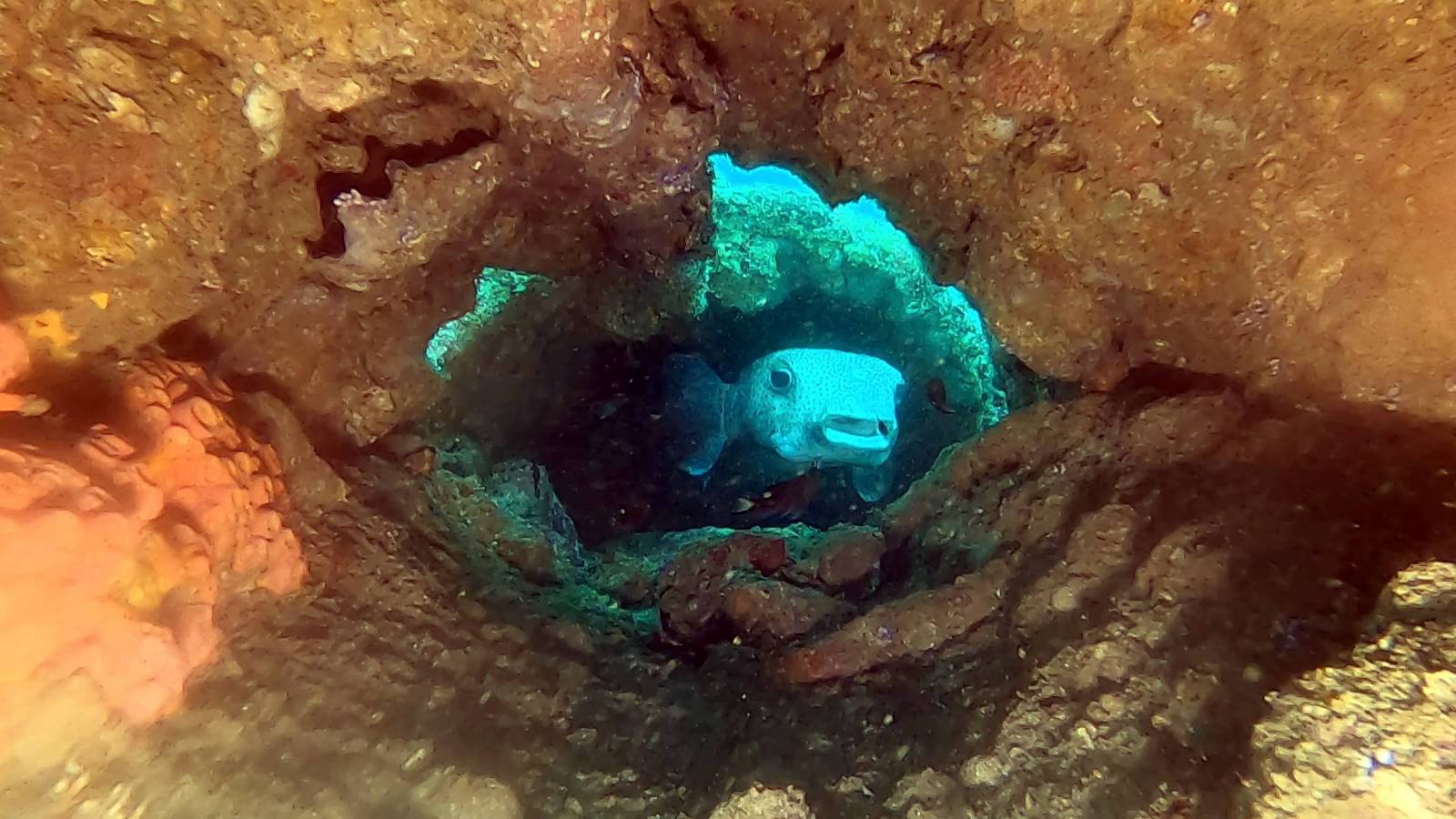
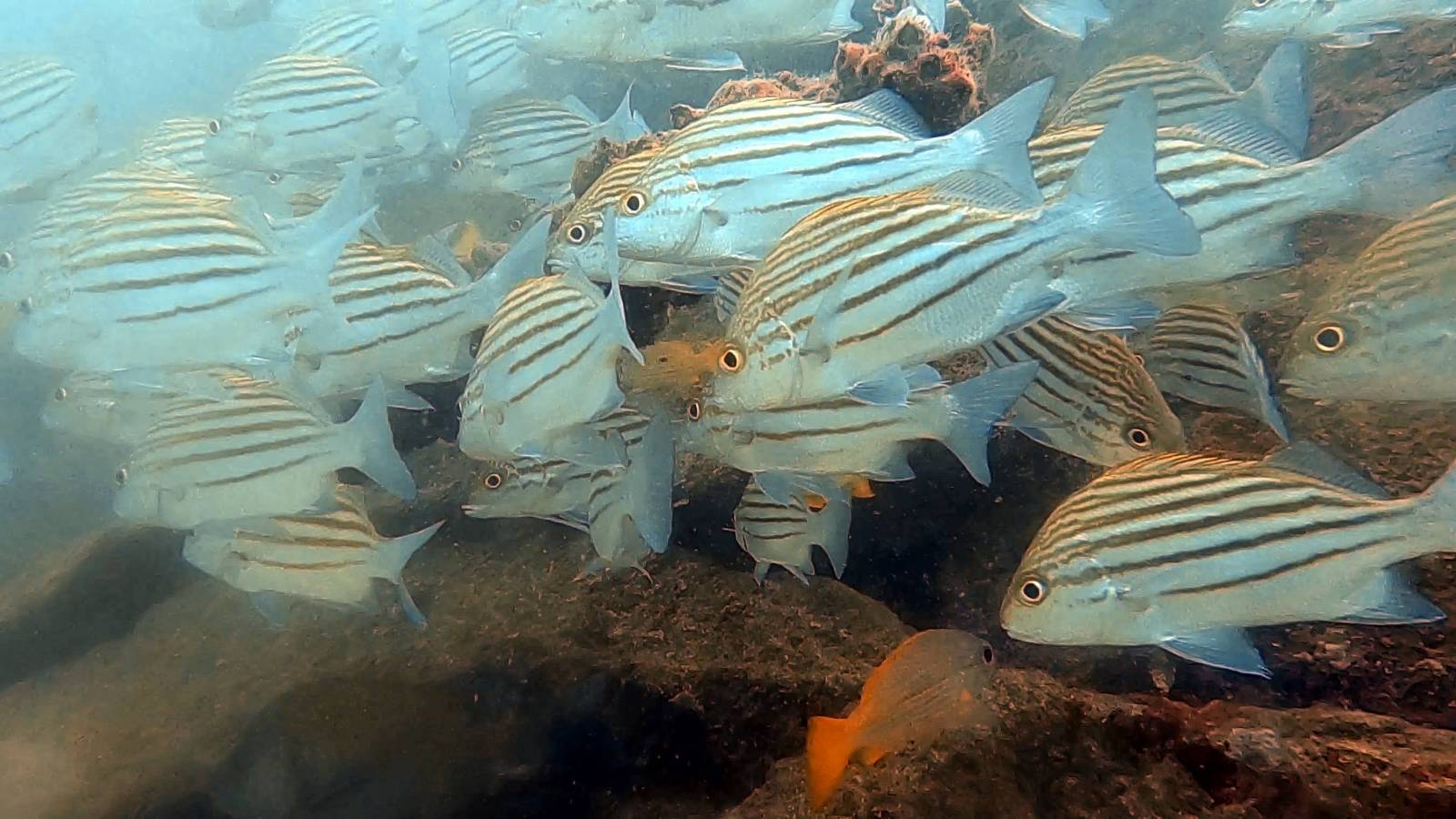
Reefs and rocky sites can offer schooling fish, moray eels, lionfish, nudibranchs, rays, turtles, and a large amount of smaller reef life. On the east coast, especially around Pigeon Island, blacktip reef sharks are possible.
But a turtle, shark, or whale is never included in the price of the dive. Wild animals do not have to appear on a particular day.
Whales and dolphins are better treated as a separate wildlife excursion rather than a promised feature of scuba diving. A responsible operator will not chase an animal for a photo or guarantee a sighting.
How Not to Damage the Reef
The most useful environmental skill for a diver is good buoyancy control.
Do not stand on coral, grab it, collect shells, or pull animals from their hiding places. Gauges, cameras, and backup equipment should be secured so they do not drag across the bottom.
In protected areas such as Pigeon Island, follow national-park rules even if other visitors ignore them. A good photograph comes from distance and patience, not from touching wildlife or reef.
Which Area Should You Choose?
If you want a first try-dive and the widest choice of centers, Hikkaduwa is one of the easiest places to start.
If you want wreck diving, reefs, and easy access to Galle, Unawatuna is practical.
If you are staying in Mirissa or Weligama and only want one or two dives without changing base, Diving Mirissa is the obvious option to compare.
If your trip falls between roughly May and September, Trincomalee and Nilaveli should be your main focus.
If you already have solid experience and are interested in remote reef diving, Great Basses and Little Basses can be worth considering, but only after discussing conditions in detail with the operator.
Checklist Before You Pay
Before booking, make sure that:
- the coast matches the season;
- you know the site name, depth, and typical current;
- the center has checked your certification and last-dive date;
- beginners receive a complete briefing;
- equipment and boat operations look organized and maintained;
- oxygen, first aid, communication, and an emergency plan are available;
- you understand exactly what the price includes;
- cancellation and rescheduling rules are confirmed in writing;
- the instructor’s language is confirmed if that matters to you;
- enough time is left after the final dive before flying or traveling into the highlands.
A good dive center will answer these questions calmly and specifically. If the response is only “don’t worry, everything is safe,” choose another operator.
Sources
- Sri Lanka Tourism Development Authority — Guideline for Scuba Diving / Snorkeling
- Sri Lanka Tourism Development Authority — registration requirements for scuba diving and snorkeling operators
- PADI — Discover Scuba Diving
- Divers Alert Network — Flying After Diving
- PADI Dive Center Directory — Blue Deep Diving Center
- PADI Dive Center Directory — Dive For You, Hikkaduwa
- PADI Dive Center Directory — Divinguru Unawatuna
- PADI Dive Center Directory — Diving Mirissa
- PADI Dive Center Directory — International Diving School Trincomalee
- PADI Dive Center Directory — Diving Club, Trincomalee
- Blue Deep Diving — official website
- Dive For You — official website
- Divinguru — official website and seasonal schedule
- Mirissa Collective — diving programs and current prices
- Sri Lanka Tourism — Pigeon Island National Park
Updated: September 21, 2026.
Comments
Read also
All articles
Where to Spend Summer: Sri Lanka, Experiences and a Realistic Budget
A practical summer plan for Sri Lanka: seasons, regions, budget, visa, housing, remote work and safety.
Things to Do in Sri Lanka: Ideas, Seasons and Planning
A practical guide to Sri Lanka: culture, wildlife, beaches, safaris, hiking, food, markets, wellness and itineraries shaped by season and real conditions.

How to Promote Your Event in Sri Lanka: Event Calendar, Social Media and Partners
A practical guide for organisers: create an Events listing, choose useful channels and bring the right audience to one current event page.

Sri Lanka or Bali: Which Is Better for a Holiday, Long Stay, or Remote Work?
A practical comparison of Sri Lanka and Bali covering beaches, seasons, wildlife, culture, costs, transport, visas, remote work and the travel style each island suits.
How to get from the airport to Hikkaduwa
Current ways to travel from Colombo airport to Hikkaduwa: Route 187, train, bus and direct taxi, with prices in rupees.
10 Little-Known Facts About Sri Lanka: History, Nature and Tea
From a tree with a historically known planting date to Minneriya’s ancient reservoir: ten checked facts about Sri Lanka’s nature, history, languages and tea, without…