The whole truth about the season and off-season in Sri Lanka
Sri Lanka does not have one island-wide season that describes every coast in the same way. Two monsoons and two inter-monsoon periods affect the south, west, east, north and central hills differently. A more useful question than “When is the season?” is: “Which region do I want to visit, and which conditions matter most to me?”
Travellers often hear a simple rule: visit the south and southwest from December to April, while summer is a bad time for Sri Lanka. It is a convenient shortcut, but it is too broad for planning a real trip. The southwest coast often has a more settled beach window in late autumn and winter, while the east and northeast can be better choices during the southwest monsoon.
Sri Lanka Tourism describes four climate periods: the first inter-monsoon around March–April, the southwest monsoon from May to September, the second inter-monsoon in October–November, and the northeast monsoon from December to February. This is a planning guide, not a promise of rain at a fixed hour. Weather varies by region, and rain at one resort does not mean the whole island is wet.
What “high season” really means
High season is mainly a period of higher demand on a particular coast. More accommodation and excursions may be available, transport can be easier to arrange, and sea conditions are more often suitable for popular activities. It does not guarantee blue skies every day.
Off-season means lower demand and more variable conditions, not an automatic reason to cancel a trip. You may have a sunny morning, a short heavy shower in the afternoon and several calm days in a row. The trade-offs are usually waves, cloud, humidity, postponed boat trips and fewer seasonal services.
South and southwest: Unawatuna, Hikkaduwa and Mirissa
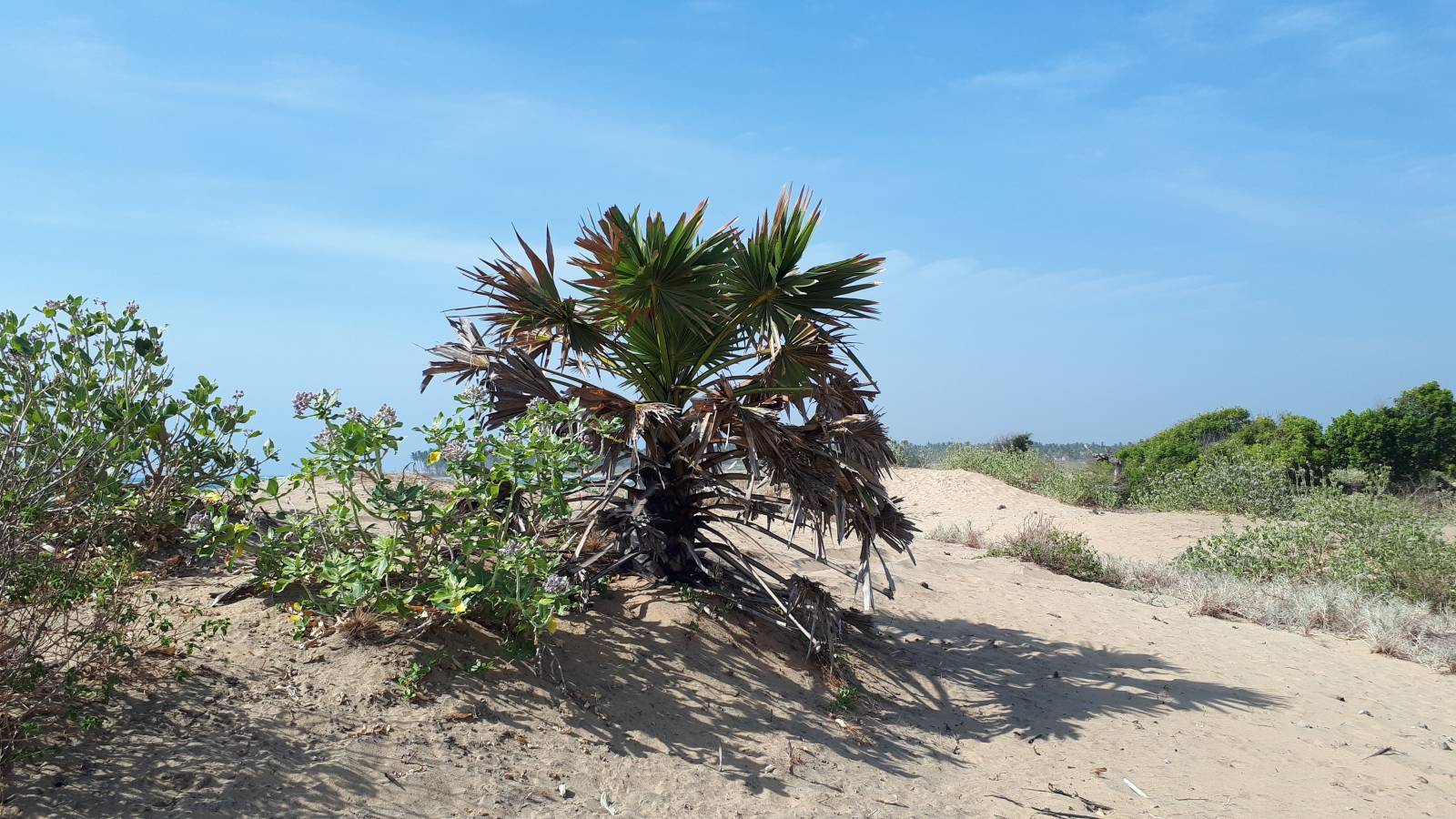
For the south and southwest coast, a useful practical guide is roughly November to March. During this period, northeast winds usually leave the southwest coast sunnier and the sea calmer. It is a popular time for beaches, swimming, whale watching and other ocean plans, but every boat trip still depends on the current sea state and the operator’s decision.
April is a transition month. It can bring excellent beach days, but conditions gradually become less predictable. From May to September, the southwest monsoon brings more rain to the southwest coast and the hills. This does not mean continuous rain, but the sea is more often rough, so check local conditions before swimming, surfing or booking a boat trip.
October and November are part of the second inter-monsoon period. Heavy showers can occur across the island and the sea can become rough. A southern trip is still possible with a flexible schedule and indoor or inland alternatives, but a completely reliable beach week is not something to assume in advance.
East and northeast: Trincomalee, Batticaloa and Arugam Bay
The east and northeast coast are often chosen from around May to September. Sri Lanka Tourism lists the dry zone, including Trincomalee, Arugam Bay and Jaffna, among the areas that can be more suitable for exploration during the southwest monsoon. For beach travellers this usually means more chances of clear days; for surfers, Arugam Bay is often most attractive in a window around May–September.
The eastern window is not identical every day. Local storms, inter-monsoon showers and rough seas can still occur. Check the latest forecast and warnings before going out on the water instead of relying only on the month. If surfing is the main purpose of the trip, keep a few flexible days so that you can wait for better conditions.
From December to February, the northeast monsoon affects the east and northeast more strongly. The southwest coast often becomes the easier beach choice then, but the island should not be judged by one generic season label: local geography and rainfall patterns matter.
The hills and the Cultural Triangle
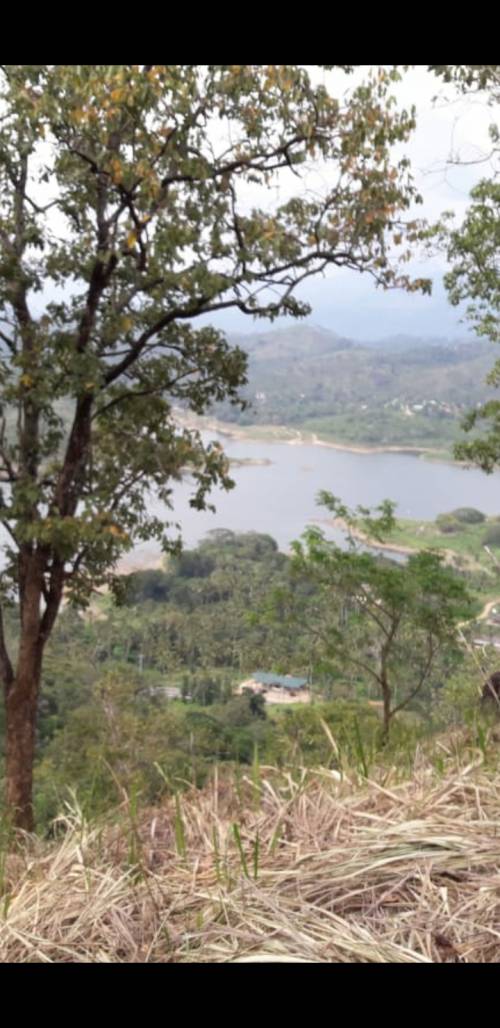
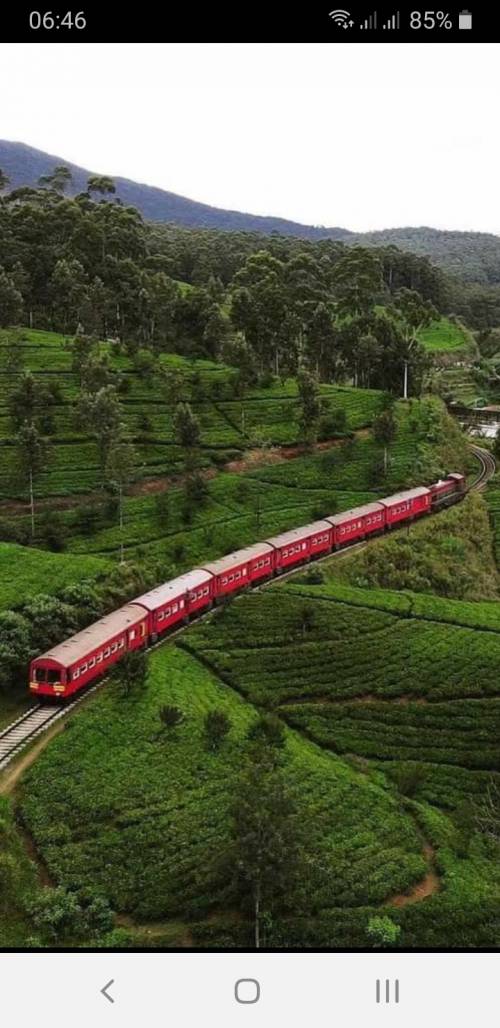
The central highlands should not be treated as an extension of the southern beach. Nuwara Eliya, Ella and the tea country are cooler; clouds can arrive quickly, and heavy rain may slow the roads. Sri Lanka Tourism considers March–April a useful period for the Cultural Triangle and the hills, but a forecast for your actual travel days remains more important than a general calendar.
Plan Sigiriya, Dambulla, Polonnaruwa and other dry-zone sights with an early start to avoid the strongest heat and reduce the chance of an afternoon storm. In the hills, leave extra time for transfers, bring a light waterproof layer and avoid packing too many viewpoints into one day.
Choosing a route without searching for one “correct” season
| Region | Often more favourable window | Good for | Keep in mind |
|---|---|---|---|
| South and southwest | November–March | Beaches, swimming and boat trips | April and October–November are more changeable; check the sea before departure |
| East and northeast | May–September | Beaches, Trincomalee, Batticaloa and Arugam Bay surfing | Local rain and waves are always possible |
| Hills and Cultural Triangle | Depends on the route; March–April is often convenient for a broad tour | Temples, ancient cities and tea country | Cooler weather, cloud and slower roads after rain |
If you want to see several parts of the island, you do not need to find one perfect month. In winter, put more time into the southwest; in summer, give more weight to the east and dry zone. Build flexibility into transfers, and do not schedule an important boat trip on the first or last day.
Rain, the sea and safety
A tropical shower can begin suddenly, but the practical risks are often waves, slippery paths, lightning and poor visibility on the road. Do not swim alone, do not judge the whole ocean by a calm patch near the beach, and follow lifeguards or local instructors. Check the official Sri Lankan meteorological forecast shortly before travelling and before any sea activity.
A light rain jacket, a phone cover, grippy shoes, sun protection and a spare dry layer are useful all year. In high season, reserve popular accommodation and excursions early. In the off-season, confirm that a seasonal service is operating and ask whether a boat trip can be moved if the sea changes.
So, “off-season” in Sri Lanka is not a ban on travel. It is a different set of conditions. Choose a coast that fits the monsoon, keep the schedule flexible and check the forecast close to each ocean activity. Rain then becomes part of the tropical climate rather than a reason to plan around the myth of one perfect season.
Sources: Sri Lanka Tourism — weather and seasons; Sri Lanka Tourism — pristine beach holidays; Department of Meteorology — official Sri Lankan forecasts.
Comments
Read also
All articles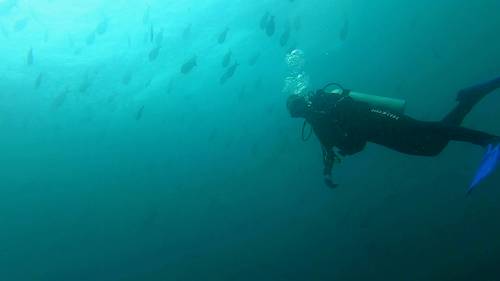
Diving in Sri Lanka: Seasons, Best Dive Areas, Current Dive Centers, and Safety
A practical guide to diving in Sri Lanka: seasons, best areas, current dive centers, safety, prices, training, and language support.

How to Promote Your Event in Sri Lanka: Event Calendar, Social Media and Partners
A practical guide for organisers: create an Events listing, choose useful channels and bring the right audience to one current event page.

Coconuts in Sri Lanka: Coir, Coconut Apple and Other Surprising Facts
A coconut palm in Sri Lanka is more than a seaside backdrop. Find out what coir is used for, why a sprouting nut contains a…

How to Attract Customers Through Influencers in Sri Lanka: Using Promo Listings
A practical guide for Sri Lankan businesses and creators looking for relevant promotion partnerships.

Pilot Project Launches Visa-Free Entry for Seven Nations to Boost Tourism
In a bid to rejuvenate tourism, the Cabinet of Ministers has greenlit a pilot project offering visa-free entry to travelers from India, China, Russia, Malaysia,…
Dishes you must try in Sri Lanka
What to eat in Sri Lanka: rice and curry, fish ambul thiyal, chicken curry, kottu, roti, hoppers, string hoppers, sambols, sweets, fruit and tea, with…