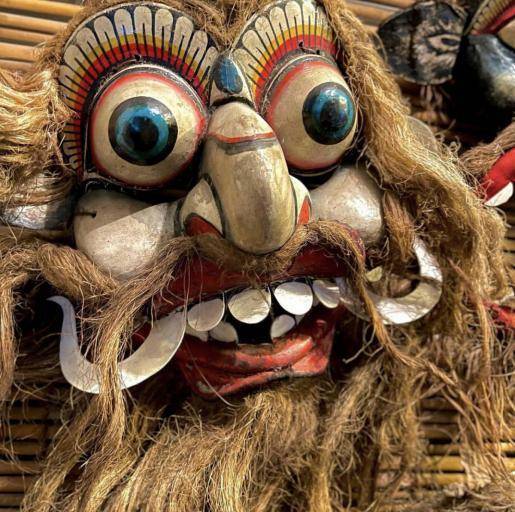
Sri Lankan Masks: Ambalangoda, Kolam, Raksha and Sanni
Sri Lankan masks existed long before Covid—but not as protection from viruses. They belong to southern dance, theatre and ritual traditions connected with folk ideas about illness and warding off harmful forces. Today they should be understood as cultural heritage, not medical treatment.
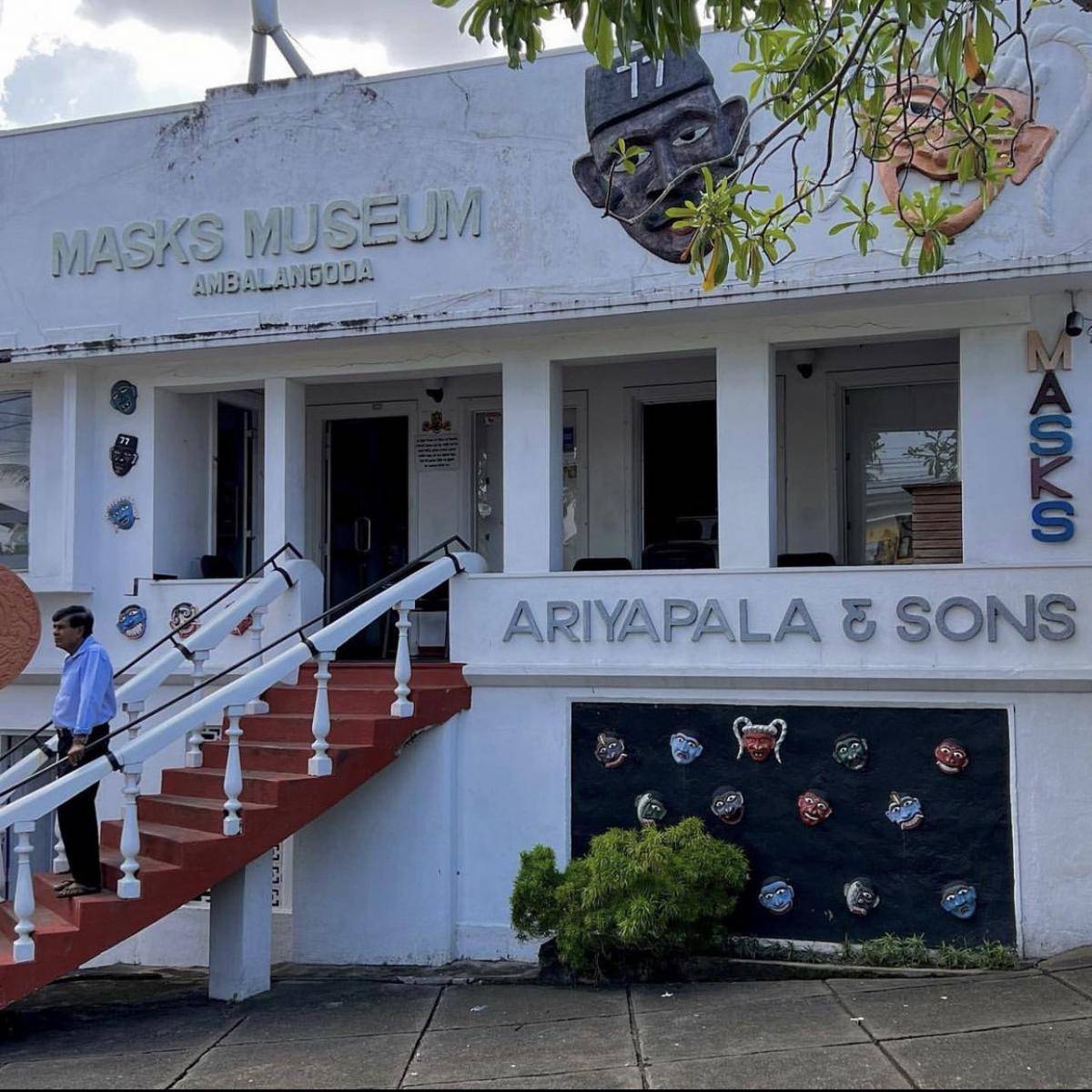
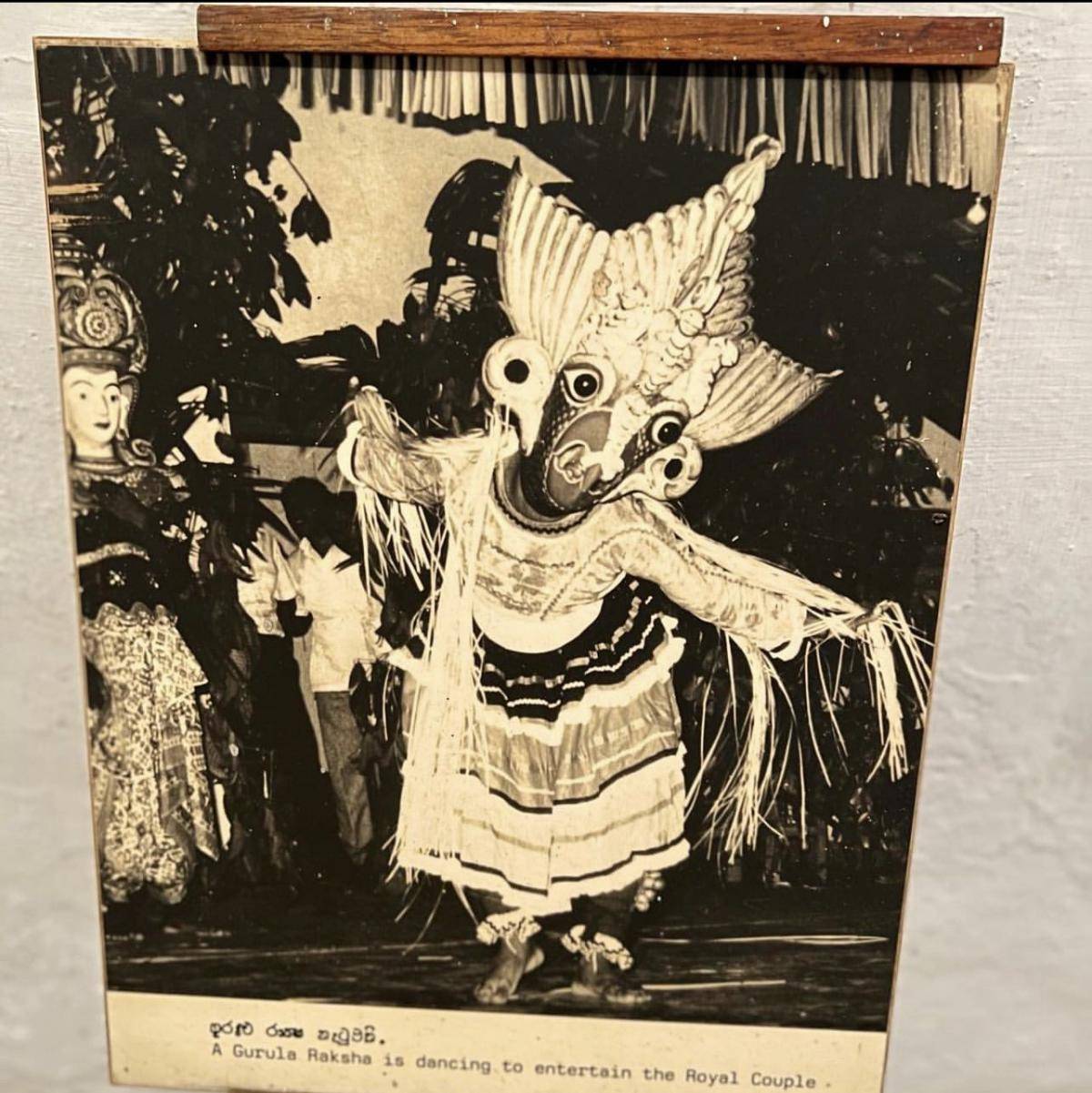
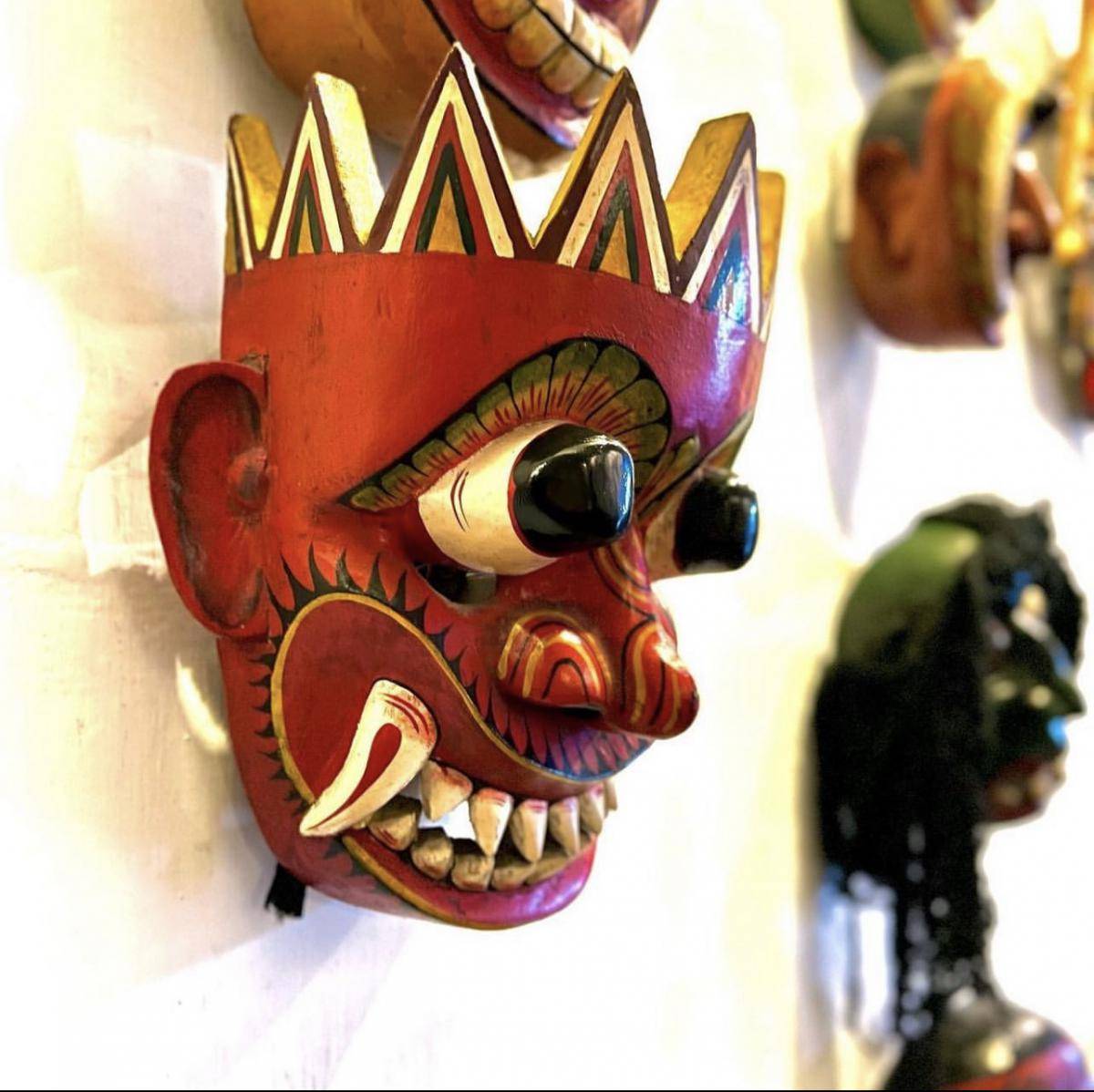
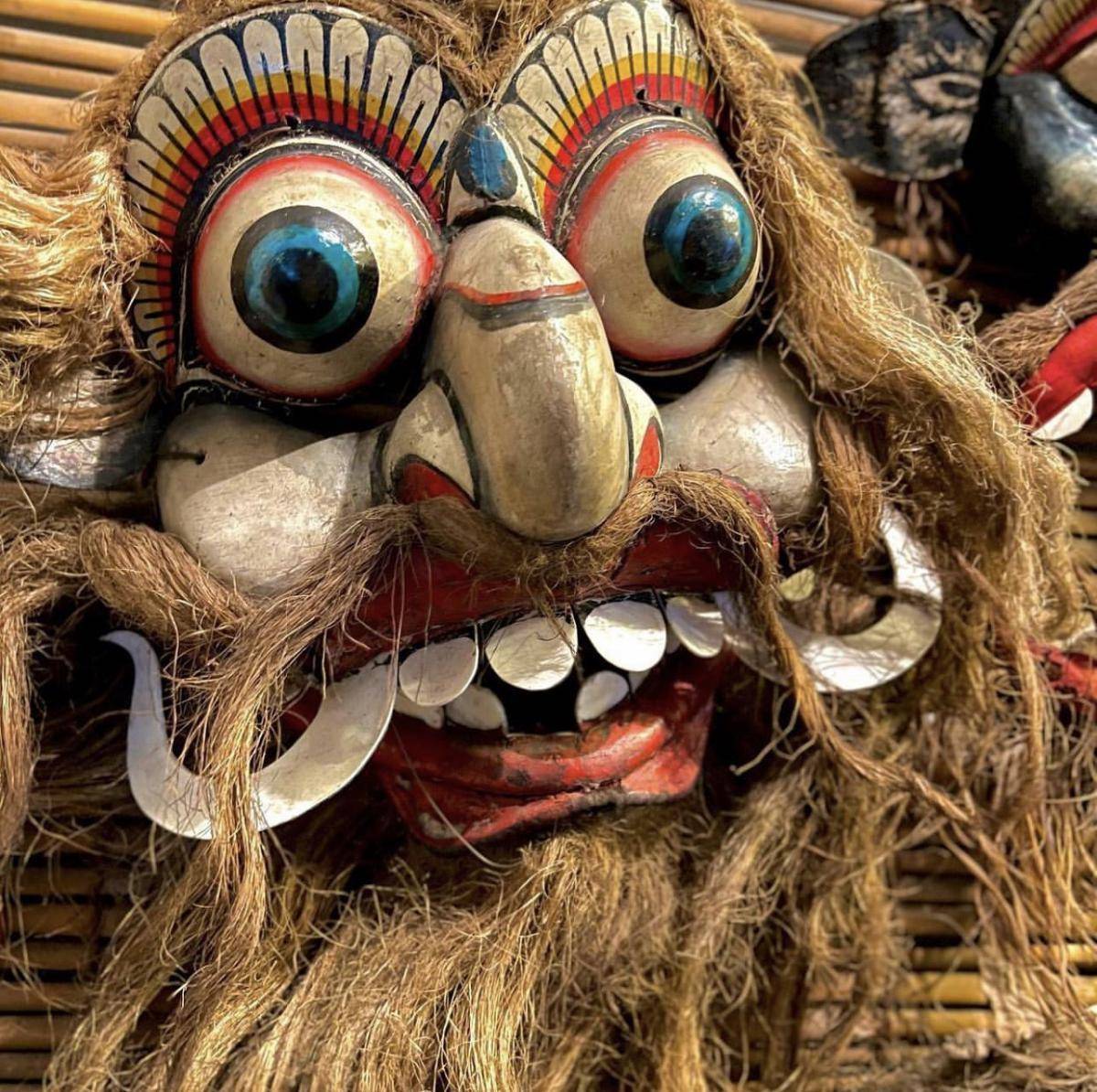
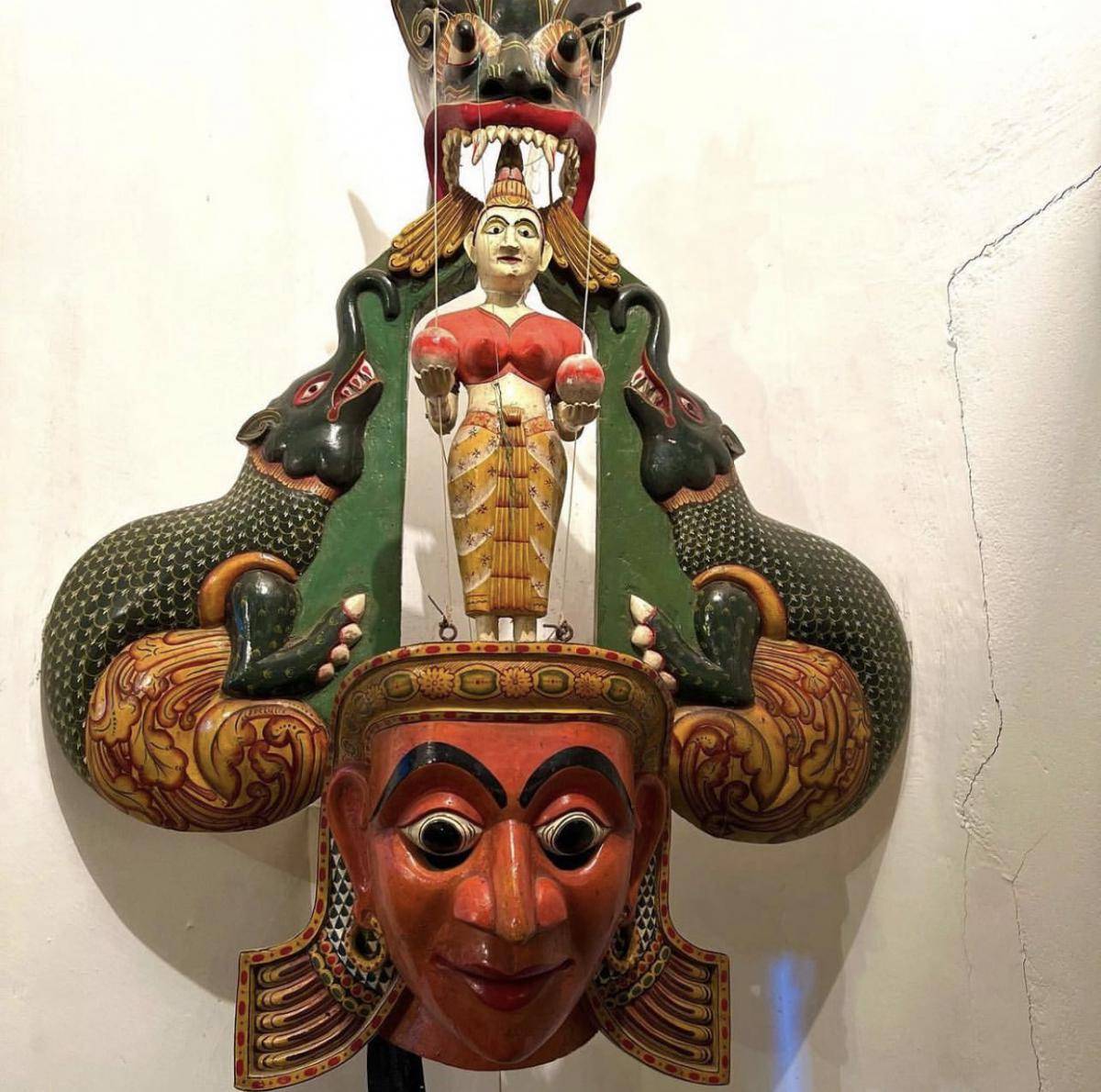
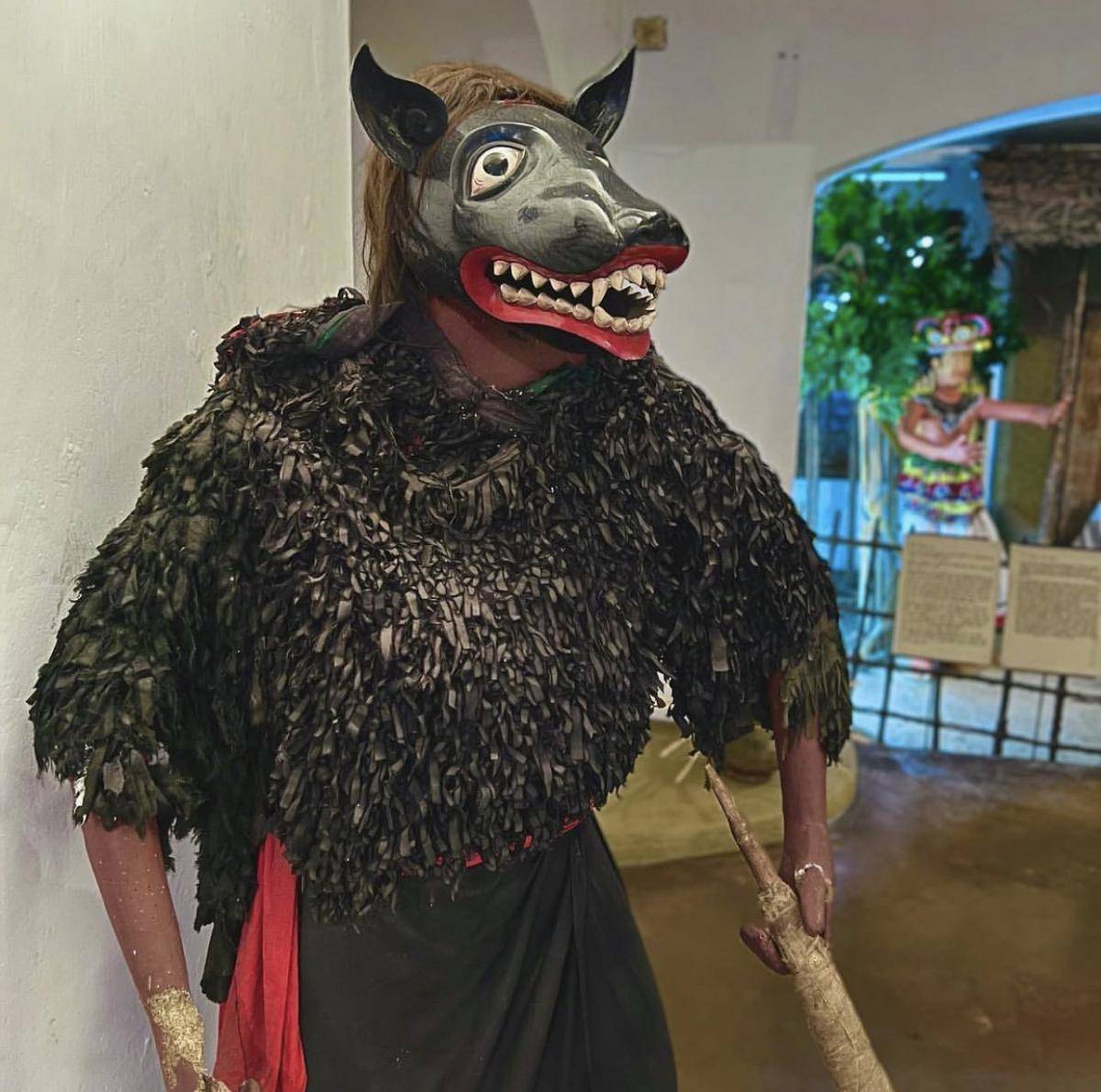
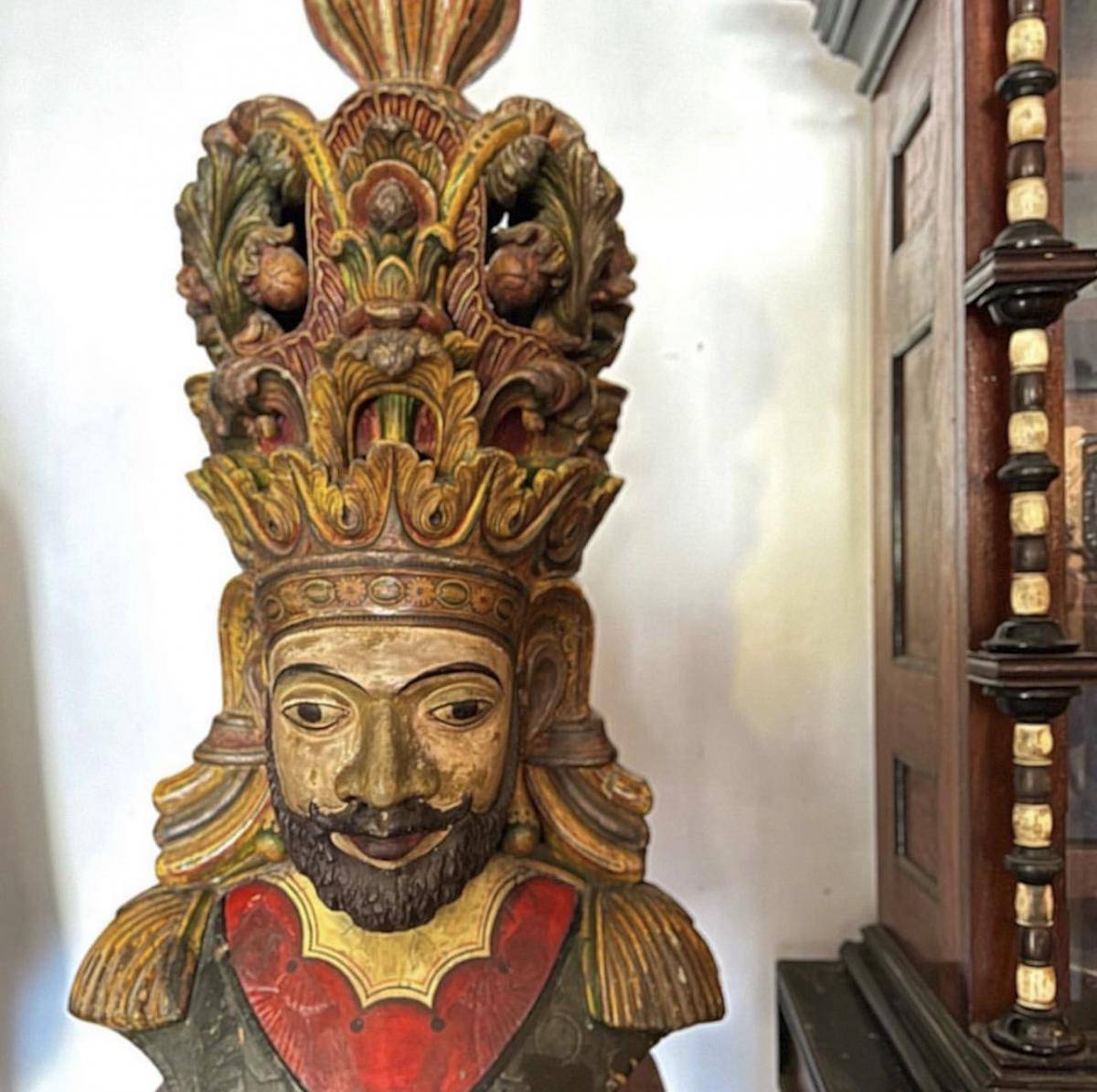
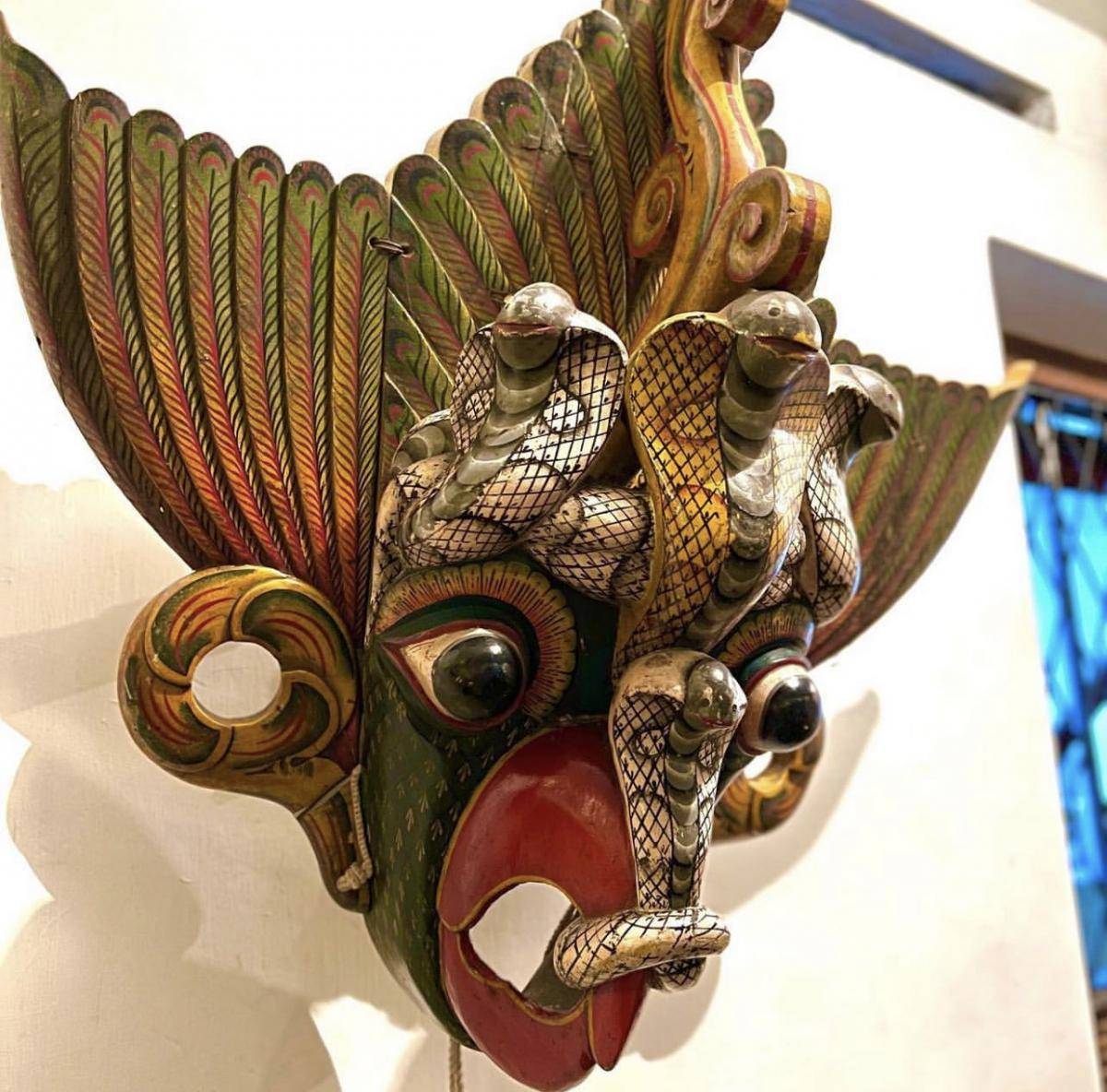
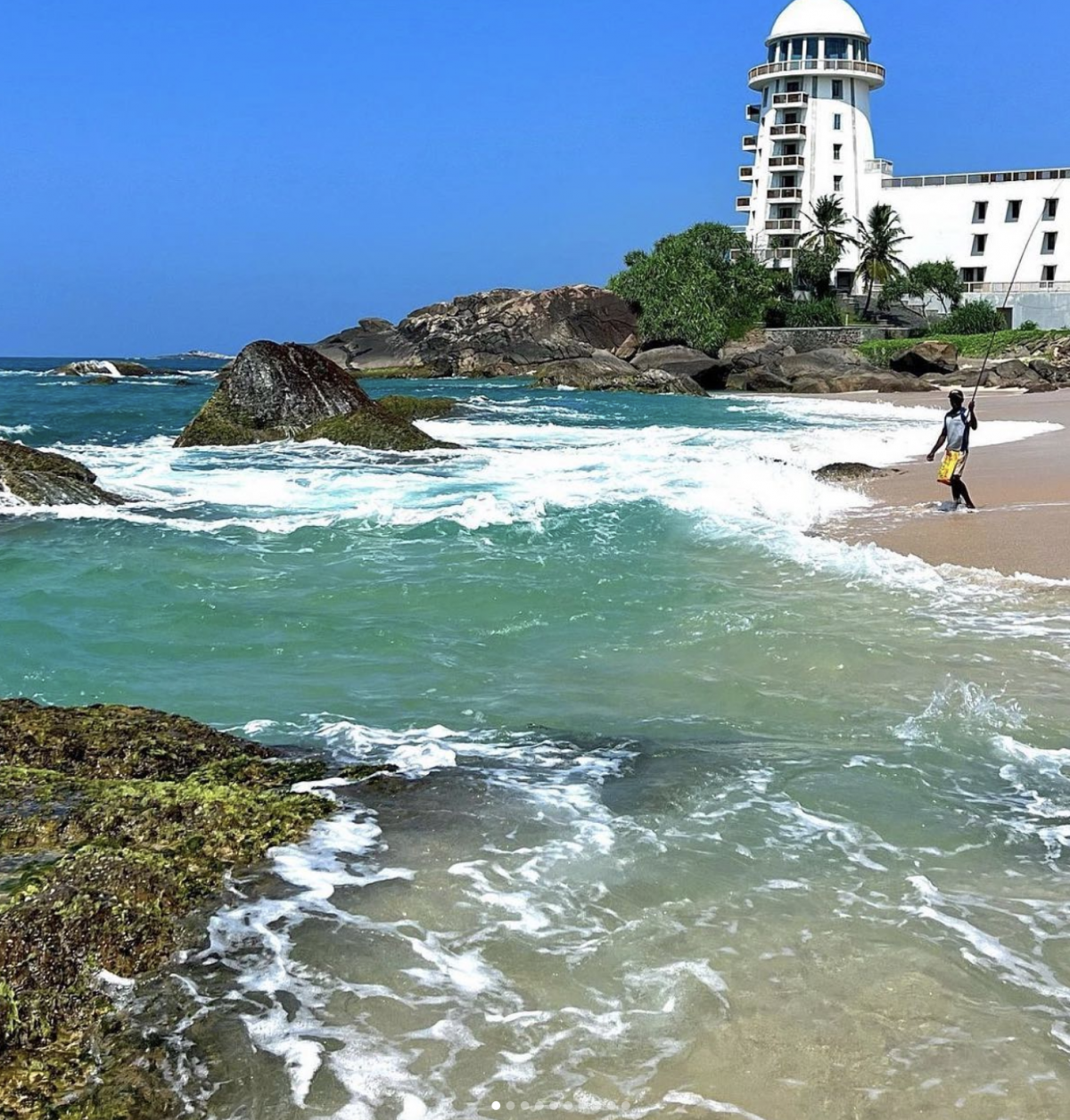
Ambalangoda on the south-west coast is a leading centre of the tradition. The Ariyapala Mask Museum has a collection and workshop. Opening hours, prices and performances can change, so confirm them directly before visiting.
Masks are often carved from light kaduru wood, smoothed and brightly painted. Methods vary between workshops; stories about one exact production process should not be presented as a universal rule.
Three traditions usually discussed
- Raksha are expressive demon characters with fangs, tongues, snakes or other creatures in the headdress. They appear in dances, processions and festive settings; a mask has a role in performance, not simply a meaning of evil.
- Kolam are masks of southern Sri Lankan dance-theatre: kings, queens, officials, clowns, animals and folk characters. Performances can be comic and satirical. The story of the first queen and a script sent by gods is oral tradition, not verified history.
- Sanni are linked to the Sanni Yakuma ritual. In traditional belief they embody forces causing illness or imbalance; ethnographic sources often mention 18 Sanni. The ritual does not replace diagnosis or care from a doctor.
When you are stuck in traffic or late at work, you may smile at the old idea of demons—but discuss headaches and exhaustion with a professional. In Ambalangoda, look carefully: a bright souvenir may also be a theatre character, ritual image and a craftsperson’s work.
How to choose respectfully
- Ask the seller about the maker, material and character; do not pass off a tourist replica as an old ritual object.
- Buy from a workshop or registered shop: Sri Lanka Tourism lists authorised outlets.
- Do not expect a healing effect from a cultural object.
Sources and review
Ariyapala Mask Museum; the Ethnographic Museum at the University of Zurich; and Sri Lanka Tourism. Sources checked 2026-09-01.
Read also
All articles
Ambalangoda (Mask Museum)
Ambalangoda is a centre of traditional mask carving on Sri Lanka’s south-west coast. Learn what to see at Ariyapala Mask Museum, how Kolam, Sanni and…
Sri Lanka Culture and Traditions: A Practical Guide
A practical guide to Sri Lankan culture: religions, languages, food, festivals, dance, crafts, architecture, Ayurveda and temple etiquette.



Comments
Share your thoughts or ask a question about this article.
My rating: