When we first visited Sri Lanka, we wanted to see everything at once: Kandy, Nuwara Eliya, Colombo, Negombo, Anuradhapura, Polonnaruwa, Sigiriya, Dambulla, the rainforest, Ratnapura, a safari, and a whale-watching trip. On a map, the island’s attractions look like one enormous list. There are many worthwhile places, but distances, mountain roads, weather, ticket prices, and overnight stops quickly turn the list into a planning problem.
On our first trip we only managed a few places near Bentota: a small turtle farm and Bawa’s garden. Later we understood why a standard multi-day tour does not suit everyone. It combines places you genuinely want to see with places you visit only because they are included. We prefer mountains, jungle, lakes, reserves, and the ocean; several similar temples in a row are tiring.
Why you should not try to see the whole island
Sri Lanka looks small on a map, but journeys are not short trips between neighboring towns. Mountain roads are slower than the distance suggests, while coastal traffic, stops, and roadworks change the schedule. A ten-day itinerary should therefore use several bases with reasonable transfers rather than ten distant points.
Choose one main theme and one additional theme. For example: heritage and mountains; safari and the south coast; or surfing and short local excursions. You will then have time for walks, rest, rain, and sleep instead of spending every day taking photographs from a car.
Interesting directions for a first itinerary
The Cultural Triangle
Sigiriya, Dambulla, Anuradhapura, and Polonnaruwa suit travelers interested in ancient cities, monastic complexes, cave temples, and the famous rock fortress. Sri Lanka’s official tourism portal includes Sigiriya, Anuradhapura, Polonnaruwa, Dambulla, and Kandy among the country’s heritage attractions; several are UNESCO World Heritage sites.
This route cannot be seen properly in one day. Sigiriya requires time for the stairs and gardens, Dambulla requires suitable clothing and respectful behavior, and the ancient cities cover large areas. If you buy tickets through the Central Cultural Fund, check the current price before traveling: CCF says prices are updated daily and depend on exchange rates. Opening hours and local conditions should still be checked close to your visit.
Kandy and the hills
Kandy can be combined with Nuwara Eliya, tea country, and Ella if you accept a slower route. In the city you can visit the Temple of the Tooth, the lake, and the historic center. In the hills, tea plantations, waterfalls, viewpoints, and walks are the main attractions, but mist and rain can hide the views. Avoid scheduling several long transfers and climbs back to back.
Ella and active walks
Ella suits travelers who want mountain scenery and hikes. Its popularity does not mean every trail is easy or safe in all weather. Ask a local guide about trail conditions, wear shoes with good grip, and do not approach cliff edges for a photograph. Treat the mountain train as an experience rather than a guaranteed transfer: check the timetable and availability for your travel day.
Safaris and wildlife
A safari in Yala, Udawalawe, or another national park is not a booking for a particular animal. You may see elephants, birds, and other wildlife, but a leopard or rare bird is never guaranteed. Choose a park for its location and season, and choose an operator by permits, vehicle condition, group size, and distance from animals.
National parks follow the rules of the Department of Wildlife Conservation. Entry requires permits and prescribed fees; check current access, gates, and restrictions through the official DWC website or the relevant park office. Do not leave the vehicle without permission, feed animals, or ask a driver to chase them.
The south coast and the ocean
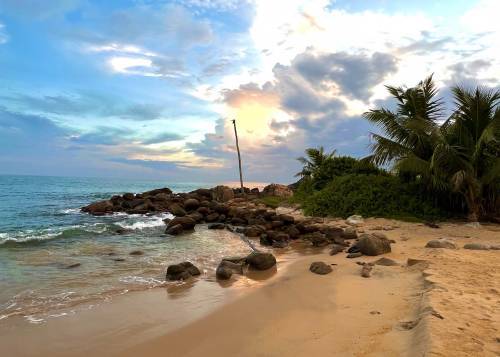
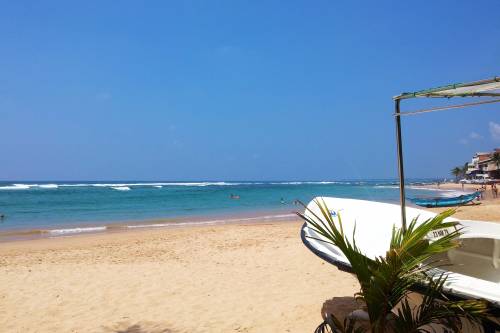
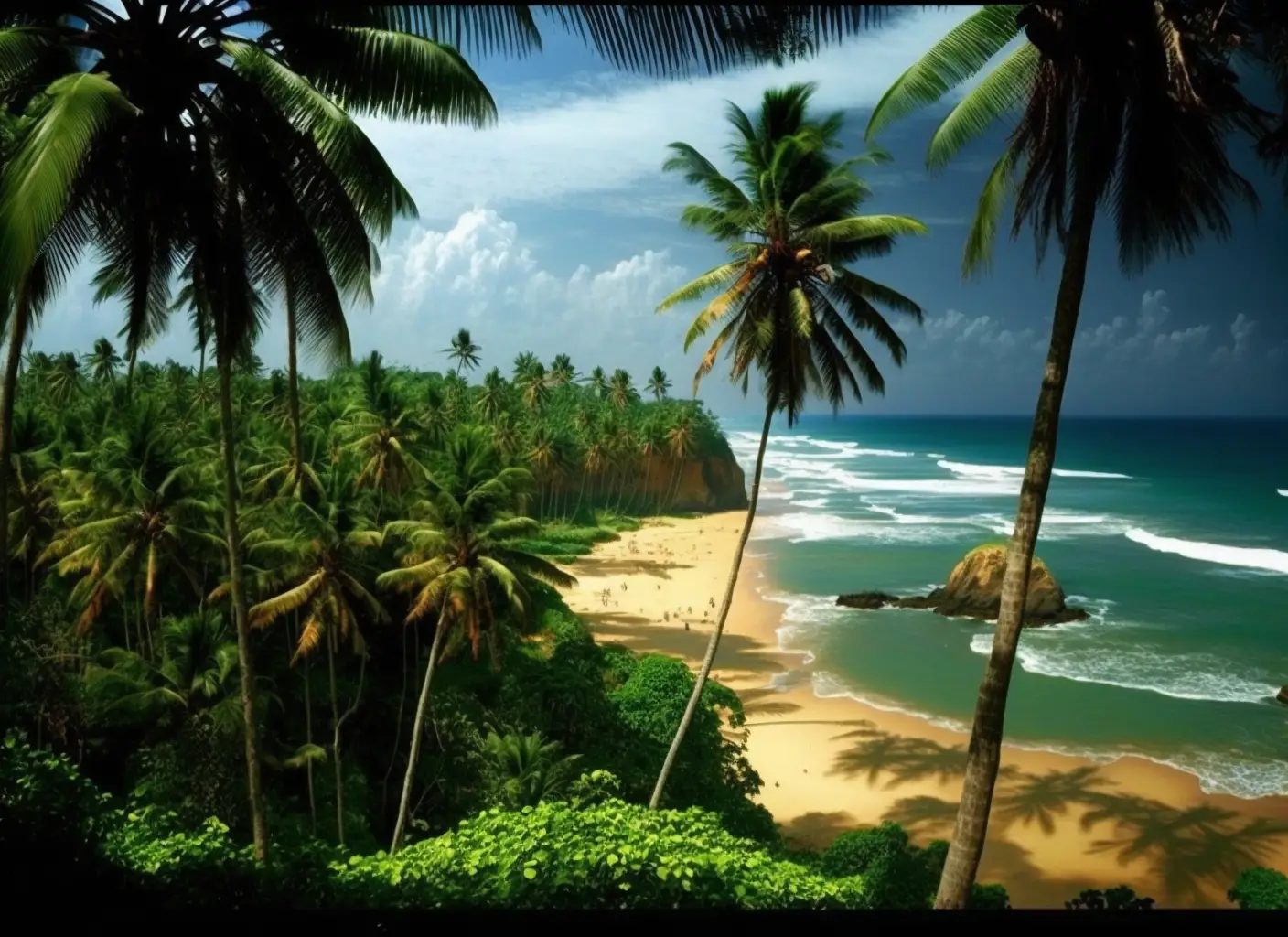
If the ocean is the main reason for your trip, do not add half of the Cultural Triangle as well. Hikkaduwa, Unawatuna, Mirissa, and other resorts offer different combinations of beaches, snorkeling, surfing, and boat trips. Water conditions depend on the season and the specific shore. A whale-watching trip cannot guarantee a sighting, so choose an operator that explains conditions and bad-weather changes honestly.
Galle and its historic fort are an easy addition to a southern route. A walk through one historic district can be more rewarding than adding four distant attractions to the same day.
Rainforest and nature routes
Sinharaja and other forest destinations suit travelers who value wet jungle, birds, and walking trails. Check whether the route is open, whether a local guide is required, and how difficult the trail becomes after rain. Do not leave the path or assume that mobile service works everywhere.
Independent travel or a driver-guide
We first read about places ourselves and built our own itinerary. This gives freedom and can reduce guide costs, but you must organize transport, tickets, overnight stays, and changes in conditions. Independent travel is easier when you leave a spare day and do not move to a new town every day.
A driver-guide is useful when time is limited, several regions must be combined, or you want explanations of history and culture. Later we met a local driver who created private itineraries. He asked what we liked and suggested a mountain trip with a village little known to tourists, an open-air museum, a waterfall, and viewpoints. It became our most memorable two-day adventure. But labels such as “secret” or “the Sri Lankan Robin Hood’s village” are part of a personal and local story, not a guarantee of official attraction status.
A private itinerary lets you stay longer where you are interested and remove places that do not suit you. It does not guarantee a perfect day or a lower price than a group tour. Compare the full quote: car, fuel, driver’s work, hotels, entrance tickets, parking, meals, tolls, and extra charges for early starts or changes.
How to choose a guide
- Request the itinerary in writing. It should list towns, overnight stops, approximate transfers, included services, and extras.
- Check qualifications. SLTDA distinguishes national, chauffeur, area, and site guides. Use the SLTDA information to check registration and whether the guide category fits your route.
- Ask about the vehicle. Confirm passenger capacity, air conditioning, seat belts, luggage, insurance, and the breakdown plan.
- Do not accept an opaque program. A place “not on the map” may be interesting, but ask for its region, difficulty, and weather limits.
- Clarify cancellation terms. This matters for safaris, boats, hikes, and attractions requiring advance tickets.
Route ideas by trip length
- 2–3 days: one base and nearby places, such as Galle and the coast or Sigiriya and Dambulla.
- 4–5 days: Kandy, the hills, and Ella, or a Cultural Triangle route with two bases.
- 6–8 days: heritage, hills, and one coast; add a safari only if it is a real priority.
- 10 days or more: a private loop is possible, but several regions are still better than every attraction on the island.
Put the points on a map first, check realistic transfer times, and only then book hotels. Rain, roadworks, train delays, and driver fatigue can change the plan, so do not build an itinerary around “100% guaranteed impressions.”
What to check before paying
- Which places are open on your dates and which tickets must be bought in advance.
- What is included in the price and what is paid locally in Sri Lankan rupees.
- How long transfers, climbs, and stops take without ideal traffic.
- Whether the itinerary suits children, older travelers, and people with limited mobility.
- What happens during rain, high waves, a road closure, or a canceled safari.
- Whether the guide provides a clear contact, written confirmation, and a backup plan.
The most interesting Sri Lankan tour is not necessarily the longest or the most “exclusive.” The right route matches your interests, budget, fitness, and season. For us, the most memorable trip was not checking every famous place, but traveling flexibly with someone who first understood what we actually wanted.
Sources: Sri Lanka Tourism — cultural heritage; Sri Lanka Tourism — heritage; Central Cultural Fund — tickets and current prices; Department of Wildlife Conservation — national parks; SLTDA — guides and tourism businesses; Sri Lanka Railways — online schedule. Recheck opening hours, tickets, seasonality, routes, and access before traveling.