“What is the weather like in Sri Lanka?” is one of the first questions people ask before travelling. It is tempting to look for a simple answer: sun or rain. But the island’s climate depends on the month, the coast, altitude, terrain and the actual forecast for the day. You can have a clear beach morning in the east and rain in the hills during the same trip.
The good news is that rain does not make a holiday pointless. A shower is often local and short, and the landscape can look especially vivid afterwards. The important caution is that a tropical shower cannot be predicted reliably from one app icon. For a boat trip, safari or long transfer, use fresh information and keep an alternative plan.
Four climate periods
Sri Lanka Tourism describes four periods: the first inter-monsoon in March–April, the southwest monsoon from May to September, the second inter-monsoon in October–November and the northeast monsoon from December to February. This is a planning framework, not a promise of identical weather in every town.
| Period | General picture | Often convenient for | Keep in mind |
|---|---|---|---|
| March–April | Warm, humid transition with possible afternoon storms | Cultural Triangle and parts of the hills | Start early and leave room around storms |
| May–September | More rain on the southwest coast and hills | East, northeast and dry zone | Local showers and waves remain possible |
| October–November | Showers can occur across the island | Flexible routes and mixed activities | Sea conditions can turn rough |
| December–February | Southwest is often clearer with calmer seas | Southwest beaches, swimming and whale watching | Higher demand; assess the east separately |
South and southwest
Unawatuna, Hikkaduwa, Mirissa, Weligama and other southwest resorts are often chosen from November to March. Northeast winds usually leave this coast sunnier and the sea calmer. It is a useful window for beaches, swimming, whale watching and boat trips, but it is not a daily guarantee.
April is a transition month. Good beach days are still possible, but cloud, showers and waves become less predictable. From May to September, the southwest monsoon affects the southwest and the hills more strongly. You may get sunshine between showers, but use flags, lifeguards and the actual sea state when deciding whether to swim or go out by boat.
October and November are more difficult for a route built only around the beach. The south is not necessarily rainy every day, but museums, cafés, short inland trips and the option to postpone a sea activity are useful backups.
East and northeast
Trincomalee, Nilaveli, Pasikuda, Batticaloa, Arugam Bay and Jaffna are often more attractive from May to September. Sri Lanka Tourism identifies the east and dry zone as useful areas to explore during the southwest monsoon. Arugam Bay also has a popular surfing window then, although wave height and safety depend on the day.
From December to February, the northeast monsoon affects the east and northeast more strongly. The southwest is often easier for a classic beach holiday, but do not judge the east only by a season label. Check a current local forecast before going on the water.
Hills and the centre
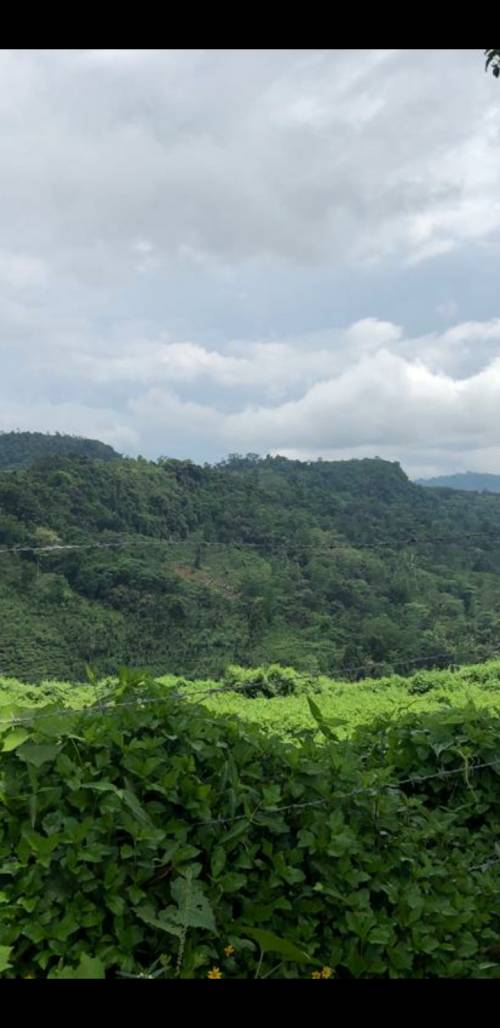
Nuwara Eliya, Ella and the tea country are cooler than the coast. Clouds can arrive quickly and rain can slow winding roads. Bring a light waterproof layer and avoid an overpacked schedule. Even in a warm season, evenings in the hills may need an extra layer.
Kandy, Sigiriya, Dambulla and Polonnaruwa need different plans. March–April is described by Sri Lanka Tourism as a useful period for the Cultural Triangle and hills, but start early in the dry zone to avoid the strongest heat. Carry water and sun protection at open heritage sites, and check paths and transfer times after storms.
Why a forecast can look “wrong”
An app may show rain all day when the reality is one short shower. Several hours of sunshine do not mean that the sea is safe for a boat: wind and waves can change faster than cloud cover. Different apps use different models and round rainfall probability differently. Read the forecast as probability and combine it with official warnings.
Check the official weather page and Disaster Management Center warnings before travelling. On the day of a boat trip, ask the operator whether conditions are suitable. If local professionals postpone a trip, treat that as a safety decision rather than a formality.
Planning the holiday
- Choose the coast and the purpose of the trip before choosing the month.
- Do not put a beach day, safari or hike on the only possible day.
- Leave space between long transfers because rain and traffic change schedules.
- Take a light rain layer and grippy shoes for the hills, and sun protection for the coast.
- Check the forecast for the actual town, not only “Sri Lanka”.
- Cancel or move sea and mountain activities when conditions are unsafe, even if the app image looks sunny.
What to pack
Light clothes, a hat, sun protection, comfortable shoes and drinking water are useful all year. In the rainy periods add a thin jacket, a waterproof phone pouch and a bag for wet clothes. For the hills, bring closed shoes and a warm layer. With children, pack an extra dry outfit and a familiar snack.
Do not judge the weather by temperature alone. Humidity can make comfortable numbers feel heavy, and strong sun often returns after rain. Take breaks, drink water and protect your skin.
Sri Lanka therefore has no single correct season for the whole island. The southwest is often chosen from November to March, while the east and dry zone are often better from May to September; the inter-monsoon periods require flexibility. Rain alone does not cancel a trip. Dangerous waves, lightning or an activity that cannot be done safely should change the plan.
Sources: Sri Lanka Tourism — weather and four climate periods; Sri Lanka Tourism — beach seasonality; Department of Meteorology — official forecasts.