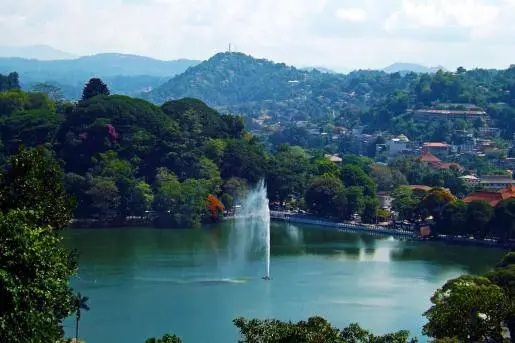
What to see in Kandy
About 129 kilometres northeast of Colombo, Kandy is Sri Lanka’s historic “hill city”. Formerly known as Senkadagalapura, Kandy was the last capital of the Sinhala kings and remained independent until the British occupation in 1815. Its mountain setting and difficult terrain helped the kingdom resist European powers for longer than the island’s coastal cities.
Today Kandy is an important cultural and religious centre. It is home to the Temple of the Sacred Tooth Relic, while the historic city is a UNESCO World Heritage property, inscribed in 1988. Nearby are the Royal Botanic Gardens at Peradeniya, Udawattakele Forest, viewpoints, museums, temples and lively streets with shops and cafés.
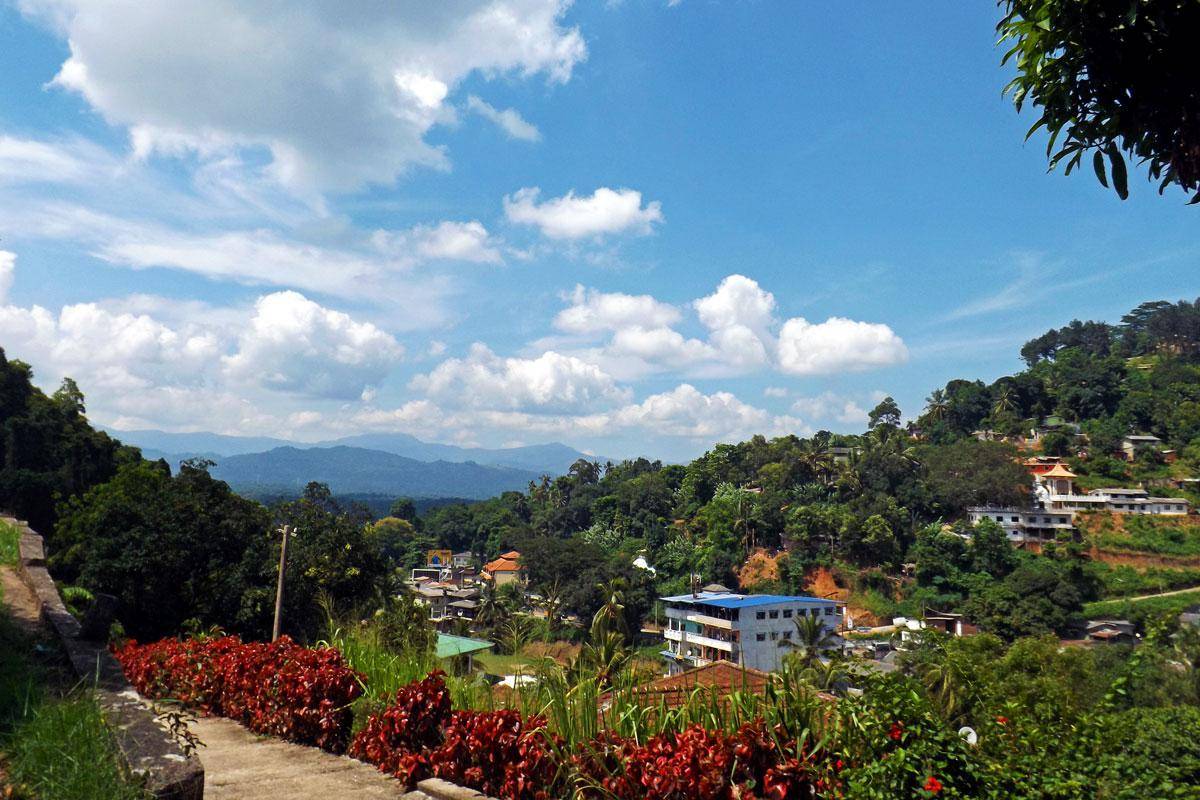
The best way to see Kandy depends on your plan. Walking is convenient in the centre, although the city is hilly and traffic can be heavy. For distant sights, arrange a licensed driver in advance, take a tuk-tuk or book a taxi. Old fixed prices for several hours quickly become outdated, so confirm the route, duration, waiting charges and whether tickets or parking are included. Ask for the route and price in writing when possible.
Top places to visit in Kandy
Kandy deserves more than a quick stop at one attraction. The city sits among green hills, with forests, rivers, waterfalls and cultural sites nearby. Allow one full day for the centre and the temple; two nights are more comfortable if you also want Peradeniya, a museum or a walk in Udawattakele. The following places help you build a realistic route.
Kandy Lake
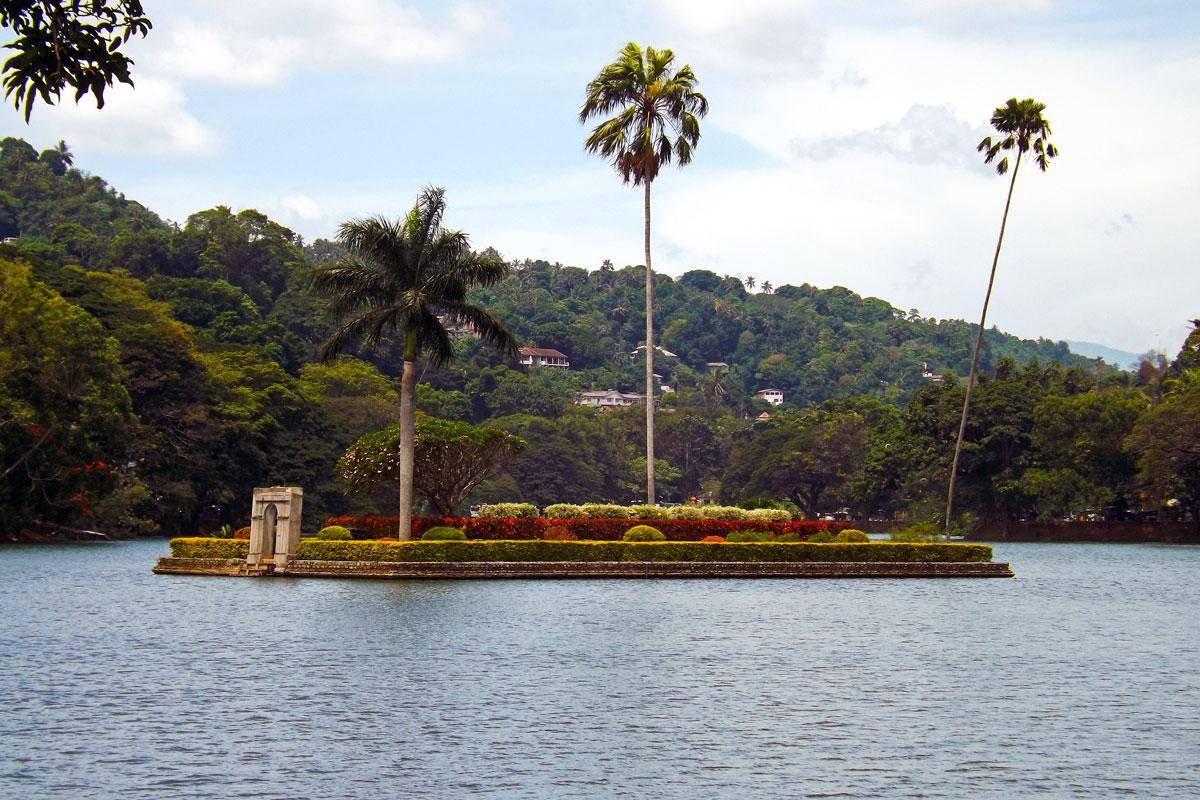
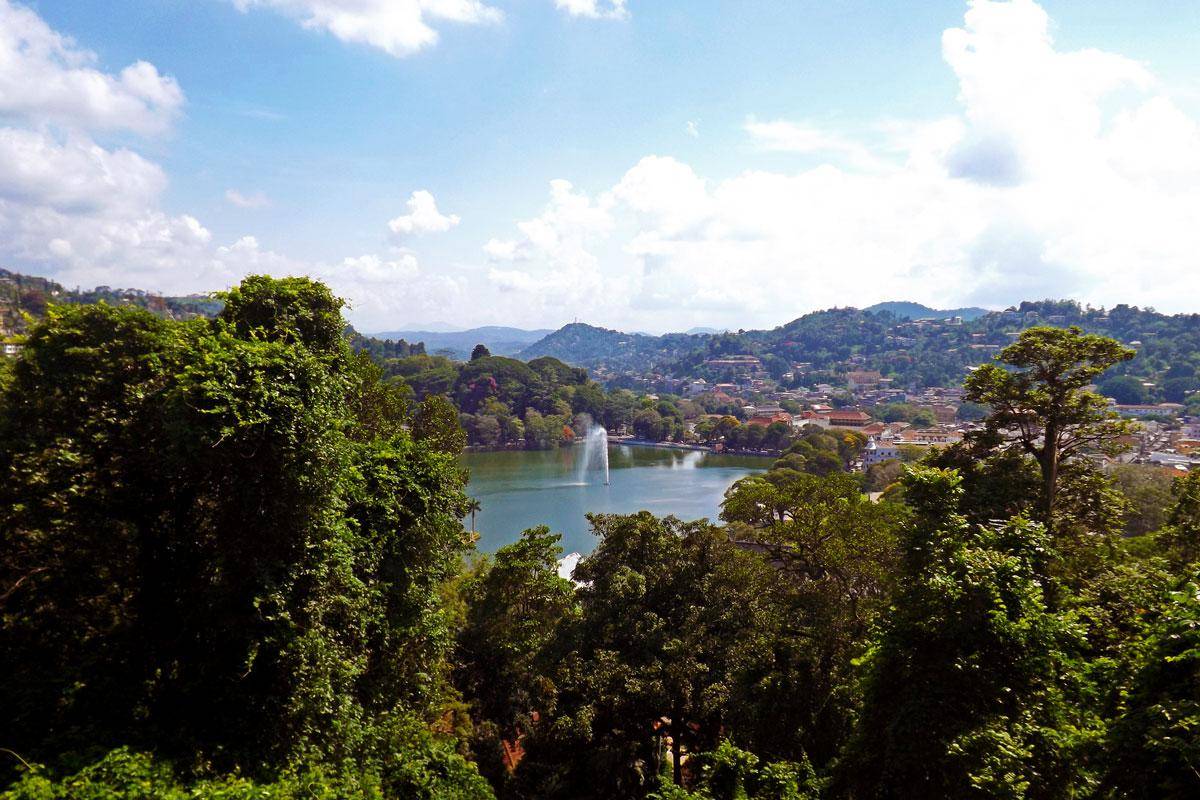
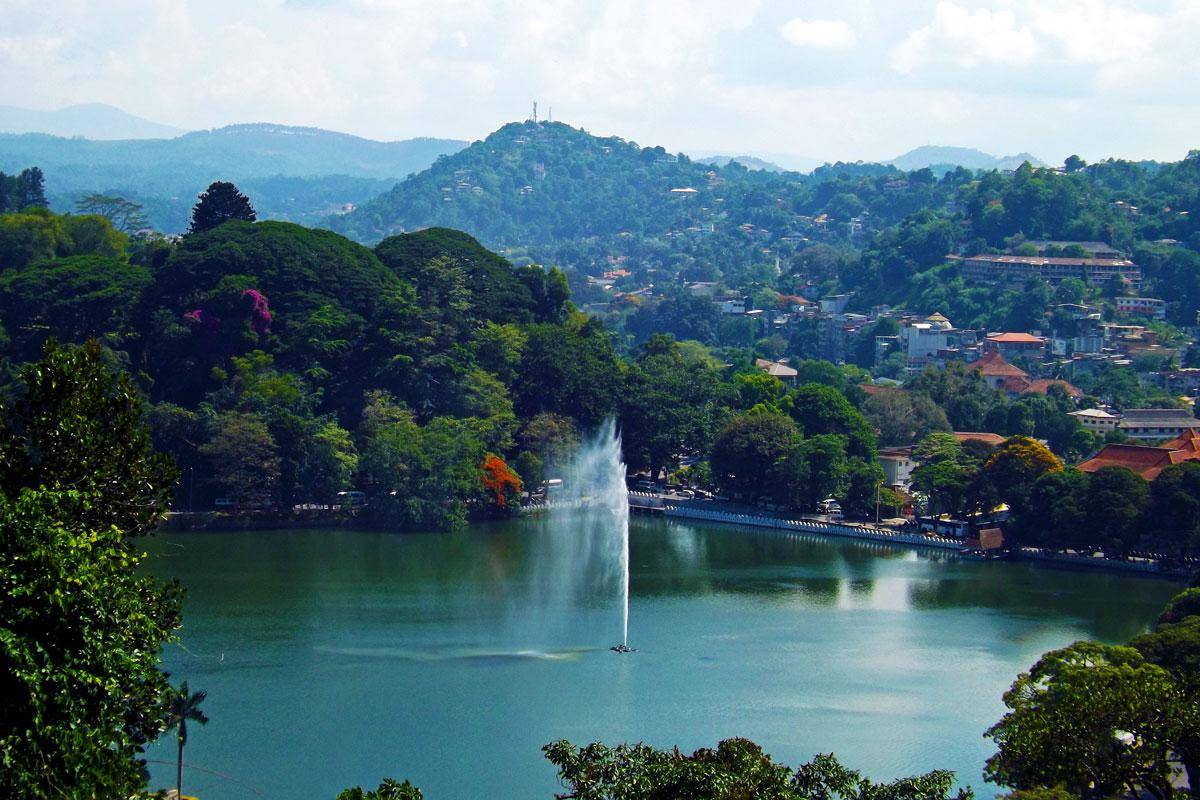
Kandy Lake is a defining part of the city and a natural starting point for a walk. It is an artificial reservoir created in 1807 on the orders of the last king of Kandy. The construction history is connected with coercion and violence, so romanticised stories about a “bloody lake” are better treated as part of a difficult historical context rather than as entertainment.
A small island lies in the centre, and a path along the shore offers views of the temple, hills and city. Morning or late afternoon is pleasant for walking, but avoid entering the water at unequipped places and do not leave rubbish. The lake also links the Temple of the Tooth, the Royal Palace complex and several museums.
Temple of the Tooth
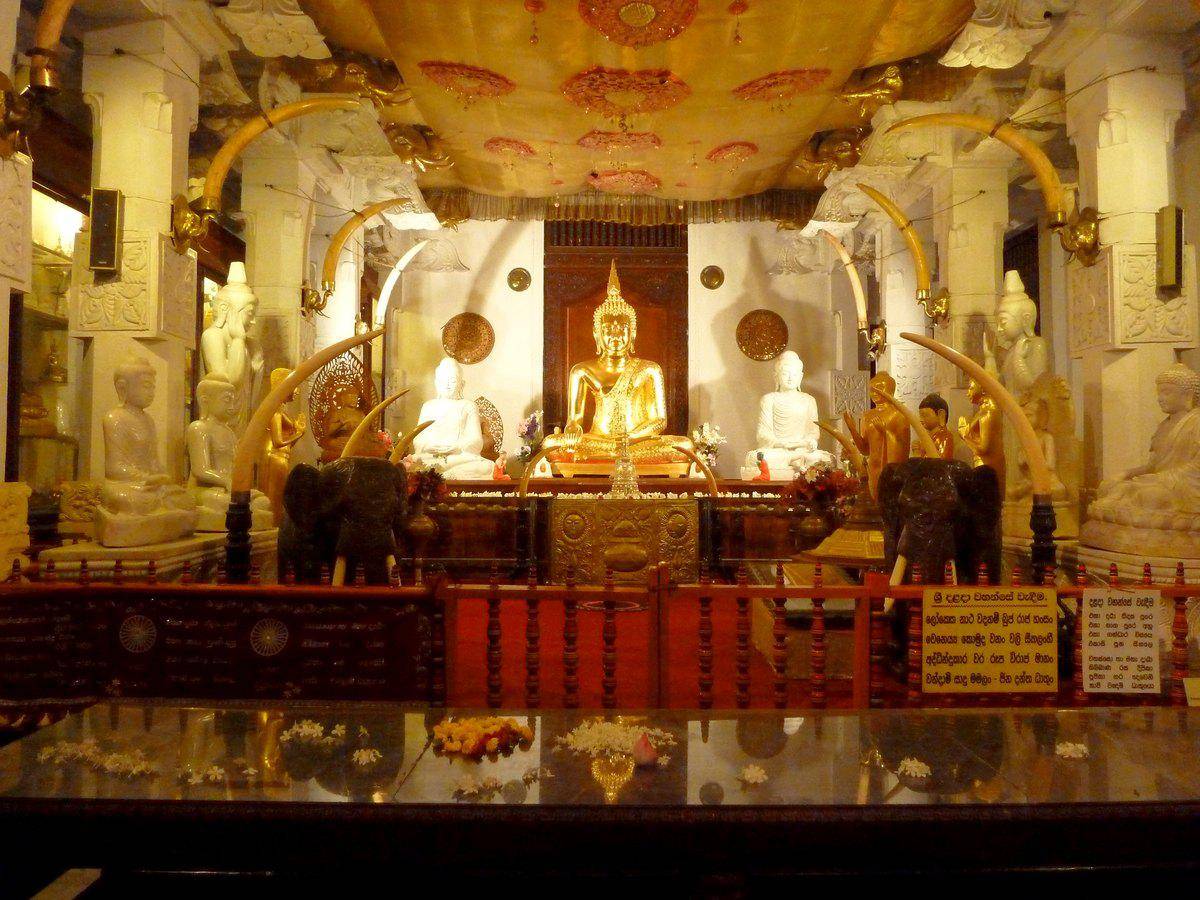
North of the lake stands Sri Dalada Maligawa, the Temple of the Sacred Tooth Relic. For Buddhists it is one of Sri Lanka’s most important pilgrimage sites. The history of the relic is surrounded by religious tradition; according to the tradition, it was brought to the island from India in the fourth century. UNESCO identifies Kandy as the last capital of the Sinhala kings and the temple as a central element of the sacred city.
Visitors do not see the relic as an ordinary museum object: it is kept inside protective caskets and displayed through religious rituals. The temple’s official website says that entrants are screened, footwear and bulky luggage must be handed to the relevant booths, and shorts, sleeveless or revealing clothing are not permitted. The temple is open daily from 5:30 a.m. to 8:00 p.m., but ritual times, tickets and entry procedures should be checked before visiting.
Tip: wear clothing that covers your shoulders and knees, remove footwear in the appropriate area and treat the temple as an active place of worship rather than an ordinary photo location.
Peradeniya Botanical Garden
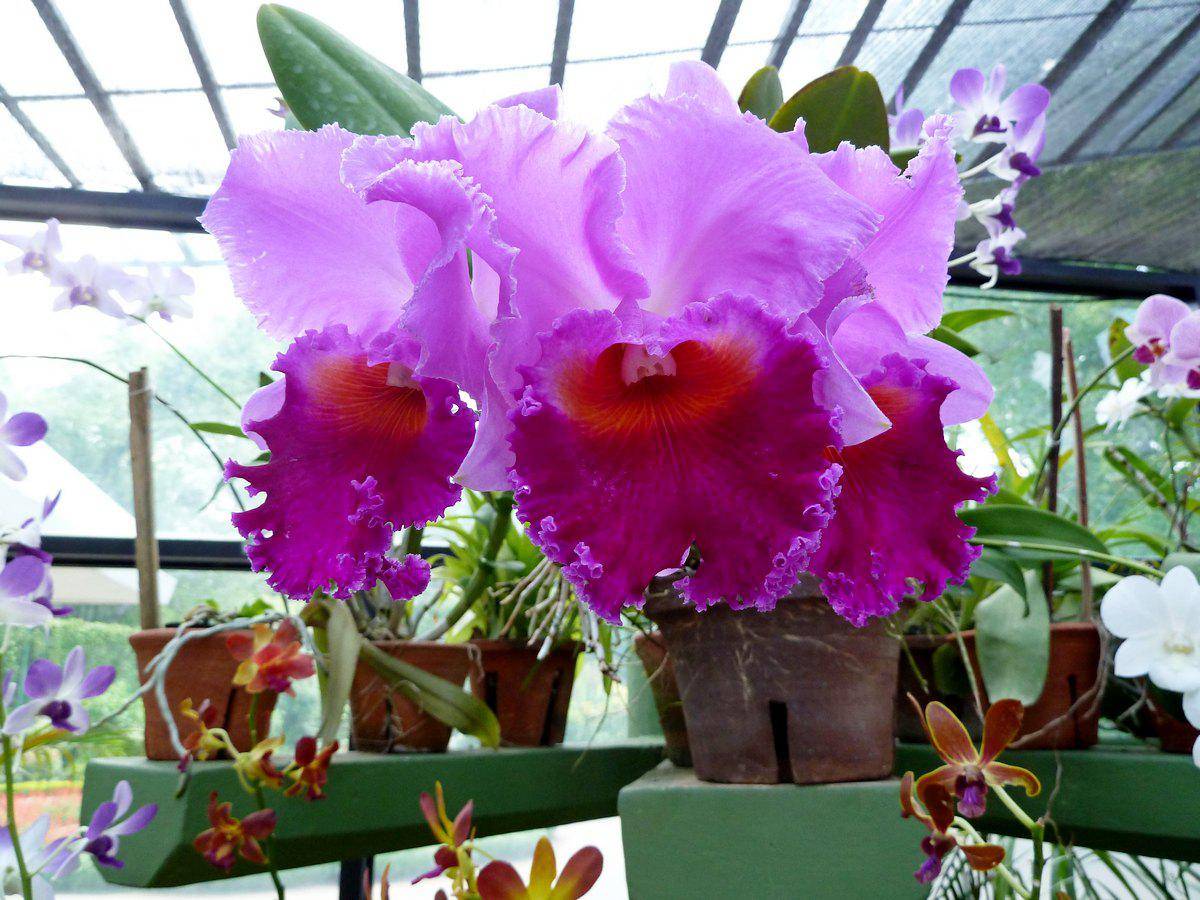
The Royal Botanic Gardens at Peradeniya are about 5.5 km west of Kandy, near the Mahaweli River. The present garden was established in 1821 and now covers about 59 hectares under the Department of National Botanic Gardens. Its official page lists more than 4,000 plant species, including orchids, palms, ferns, spices, medicinal plants, bamboo and tree collections.
Highlights include the Orchid House, Spice Garden, palm avenues, bamboo collection, fernery, cactus house and the great lawn. Allow several hours, especially in hot or rainy weather. The official site lists opening hours of 7:30 a.m. to 6:00 p.m. and ticketing hours of 7:30 a.m. to 5:00 p.m.; foreign-visitor prices may change.
Arthur’s Seat
Arthur’s Seat is a viewpoint on a hill southwest of Kandy Lake, with a panorama of the water, city and surrounding mountains. It is a convenient short stop between the centre and the upper neighbourhoods. The name and local stories about the viewpoint should not be confused with Arthur C. Clarke: an old version of the article incorrectly connected the two.
The viewpoint can be busy, and the hill edge and access road require care. Morning or a clear evening gives softer light for photographs. Souvenir sellers may be persistent; discuss prices calmly and do not treat a guide’s or seller’s offer as a compulsory part of the route.
Kandy traditional dances
Kandyan dance and drumming performances introduce visitors to traditions from central Sri Lanka. Their history is connected with ritual and court culture, but individual legends should not be presented as the only proven origin. Before buying a ticket, confirm the venue, duration, language of explanations and photography rules. A good performance presents music, costumes and movement; it is not a reason to label every stage show a “devil-exorcism ritual”.
White Buddha
The white Buddha statue above the city belongs to Bahirawakanda temple and can be seen from many parts of Kandy. A noticeable climb leads to it, so comfortable shoes and water are useful. The platform offers views over the lake and hills. The temple remains an active place of worship, so quiet behaviour and suitable clothing matter. The old figure of “243 metres” should not be repeated: it resulted from a hill-height or translation error, not a confirmed statue height.
Esala Perahera
Kandy Esala Perahera is an annual ten-day procession connected with the veneration of the Sacred Tooth Relic and four important devales. It usually takes place in July or August according to the lunar calendar. Drummers, dancers, torch performers and decorated elephants take part. An important detail is that the procession carries a replica of the relic container, not the relic itself.
Exact dates and times change each year. The official Sri Dalada Maligawa website publishes the schedule, so tickets, seating, road closures and arrival times should be checked early. During the Perahera, central Kandy is extremely crowded: allow extra time, do not rely on the usual transport route and follow instructions from organisers and residents. Watch elephant preparations only where permitted, without interfering with handlers or animals.
Spice gardens
Commercial spice gardens around Kandy demonstrate cinnamon, cardamom, pepper, turmeric, nutmeg and other plants. This can be an interesting short visit, but conditions vary. Ask whether entry is free, whether a sales demonstration is expected, how long the visit takes and whether you may decline a purchase. Traditional culinary or Ayurvedic use is not proof of a medical effect, so treat health promises cautiously.
Visit one of the museums
Kandy is a cultural city, and a museum is useful on a rainy day or when you want more historical context. Consider the World Buddhism Museum, Ceylon Tea Museum, National Museum of Kandy or the museum complex connected with the Temple of the Tooth. The temple’s official FAQ says its ticket includes the Temple of the Tooth, Dalada Museum, World Buddhist Museum, Tusker Museum and Royal Elephant Stable; check current rules and prices before visiting.
How to plan one or two days
For one day, start at the lake and Temple of the Tooth, then choose a museum and climb to the White Buddha or Arthur’s Seat. Do not combine a distant Peradeniya trip with a rushed temple visit and an evening ritual. On a second day, spend the morning in the botanical garden and the afternoon at a museum, Udawattakele or another viewpoint. In rainy weather, keep a buffer: mountain conditions change quickly and paths become slippery after heavy rain.
A few more words about Kandy
Kandy rewards attentive, unhurried travel. Know where you are going, how long the road will take and which places require tickets or covered clothing. In the centre, you can politely decline an unwanted guide or seller and should not hand documents or money to an unknown intermediary. Agree on the route and price before starting a transport ride.
Nightlife in Kandy is quieter than on the coast. After dark the city does not become a resort strip, but restaurants, hotels and some cultural venues remain open. The former kingdom’s history, lake, temples, green hills and living traditions create a complete impression. Kandy is therefore better treated not as a list of compulsory photographs, but as a city that deserves time for an unplanned walk.
Before leaving your hotel
Mark the route on a map, check the forecast and leave your hotel contact details with the driver. In Kandy, small notes of local currency, water and a charged phone are useful, but do not keep all documents and money in one place. If you plan to visit several temples in one day, prepare clothing that can easily become more covering. This simple checklist saves time and lets you focus on the city instead of searching for essentials at the last minute.
Sources: UNESCO: Sacred City of Kandy; official Sri Dalada Maligawa FAQ; official Kandy Esala Perahera schedule; Department of National Botanic Gardens: Peradeniya; Central Province Tourism Department: Kandy District.
Read also
All articles
Kandy is the last capital of the independent Sinhalese kingdom
Kandy is the mountain capital of the Sinhalese kings, which retained its independence until the British occupation in 1815. The history of the Kandyan Kingdom,…
TOP 12 most beautiful and interesting places in Sri Lanka
Twelve places that show different sides of Sri Lanka: mountains and tea country, beaches, ancient cities, temples and national parks, with practical planning and safety…
Sri Lanka island tour: Kandy, Nuwara Eliya and Ella
A personal three-day route from Hikkaduwa through Peradeniya, Kandy and Nuwara Eliya to Ella, with practical notes on pace, mountain roads, weather and planning.
Comments
Share your thoughts or ask a question about this article.