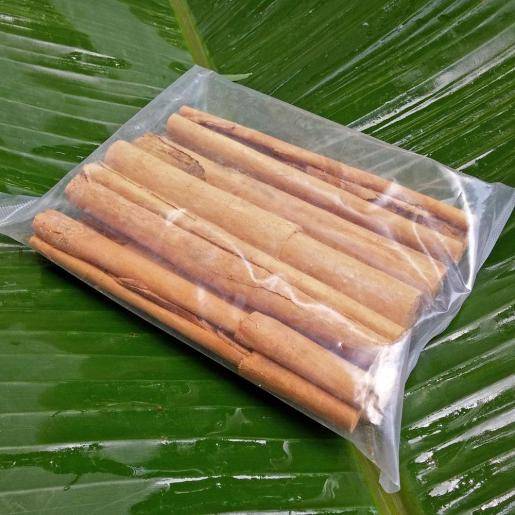
Did you know that you may never have eaten Ceylon cinnamon? I used to hate cinnamon until I tried the real thing. They are very different spices. The Ceylon variety is delicate, warm, slightly bitter and wonderfully aromatic — I loved it immediately.
The first useful distinction is the name. Cinnamon is a spice made from the dried inner bark of several Cinnamomum species. Ceylon cinnamon, or Cinnamomum verum, is associated primarily with Sri Lanka. Cassia belongs to a different group of species. It can be a perfectly good spice, but it should not be sold as Ceylon cinnamon. In this article, “true cinnamon” means the Ceylon variety, not a claim that cassia is fake, poisonous or useless.
Why the taste and appearance differ
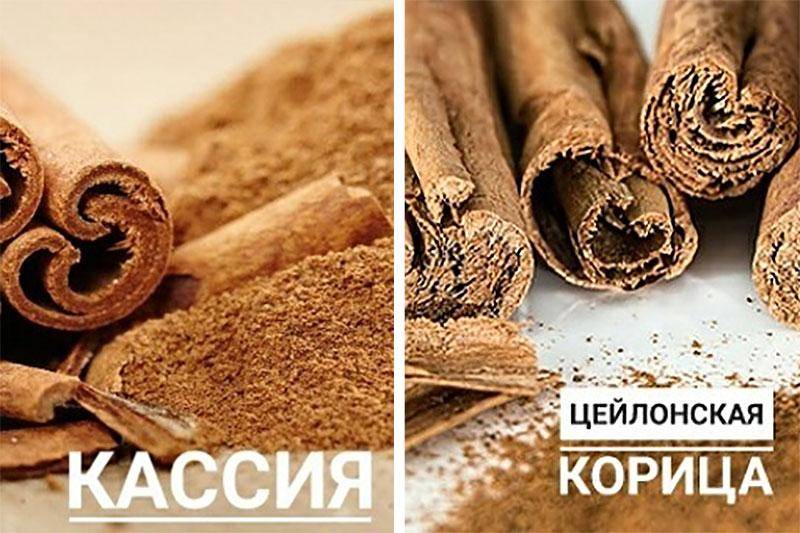
What many shops simply call cinnamon, especially beside Christmas desserts, is often cassia. Its aroma is similar, but its flavour and chemical composition differ. Cassia is usually darker and harder, with a thick, single-layer curl. Ceylon quills are made from many thin layers of inner bark and are more delicate. Colour alone is not proof, though: variety, processing, age and storage also affect the appearance.
Ceylon cinnamon is one of Sri Lanka’s distinctive products. The Sri Lanka Export Development Board supports the Pure Ceylon Cinnamon mark and the geographical protection of the name. “Ceylon Cinnamon” has also been registered as a protected geographical indication in the European Union. That does not mean every stick sold in Sri Lanka is certified, so read the label and check the origin rather than relying on a romantic name.
How cinnamon grows and becomes a quill
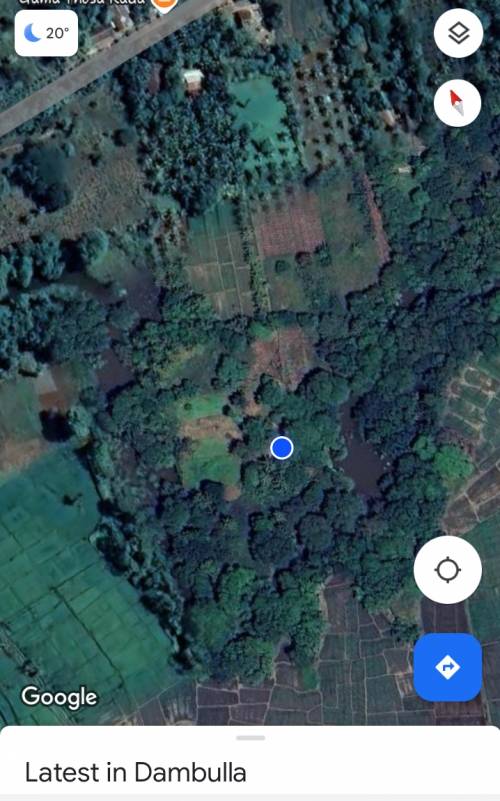
Cinnamon is a small evergreen tree that is maintained on plantations as a bush with several shoots. In Sri Lanka, the first harvest is generally possible two to three years after planting. With suitable rainfall and care, shoots may be harvested more than once a year. The whole plant is not destroyed: stems are cut close to the ground and the bush produces new shoots. Timing and yield vary with soil, rainfall, variety and plantation management.
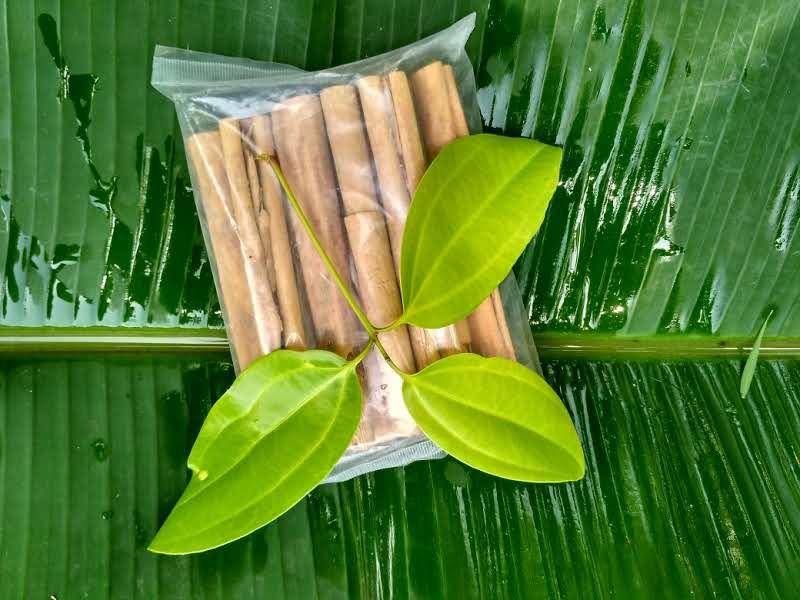
The processing is the most fascinating part. Workers remove the rough outer bark from a harvested stem, then use specialised knives and a brass rod to loosen the inner bark from the wood. The peeled strips are shade-dried, layered one inside another and rolled into long quills. Small pieces are used for filling and other product grades, while leaves can be used for leaf oil. This is skilled handwork; a neat cinnamon quill is not simply a dried branch.
Quills are only one form of the spice. You may also see cut quills, chips, featherings and ground cinnamon. A higher grade may involve more careful processing, but a high price is not proof of origin. For cooking, choose a clearly labelled product and store it dry, tightly closed and away from the stove.
How to choose it in Sri Lanka
Start with the package. Look for the country of origin, the species or type of cinnamon, net weight, producer or importer and the relevant date marking. “Ceylon Cinnamon” or Cinnamomum verum tells you more than a large generic word such as “cinnamon”. The Pure Ceylon Cinnamon mark can be an additional indication for an eligible certified product, but it is still worth reading the full label.
Whole sticks are easier to compare visually. Ceylon cinnamon usually looks layered and fragile, while cassia more often forms a thick, hard curl. With ground cinnamon, the difference is almost impossible to check by sight. If origin matters, buy quills and grind a small amount yourself. In a market, ask about the type and weight, and avoid damp-smelling spice, mould or damaged packaging.
In my photo I labelled the “fake” and the real cinnamon to make the contrast clear. Today I would add an important correction: “fake” is too simple a word for cassia. Cassia is another spice; the problem is inaccurate naming or an unclear label, not cassia itself.
There is another practical reason to buy whole quills: you can see the layers and keep the aroma until you need it. Certification and the type of product are not the same thing. A mark confirms particular origin and control requirements; it does not promise that the flavour will suit you. If a package promises a medical effect or contains a concentrate or oil, check its ingredients and dosage separately from the rules for an ordinary food spice. A small amount is enough for tea or dessert.
What about the health claims?
The old version of this article said that cinnamon strengthens immunity, improves mood and is effective for treating diabetes, reducing blood sugar and cholesterol. Those statements should not be presented as medical advice. Research on cinnamon supplements has produced mixed results, and there is no reliable basis for using cinnamon to treat diabetes or another disease. Studies also differ in the species, plant part, dose and duration tested.
Cinnamon is generally safe for most people in the amounts normally used as a food spice. Large amounts or long-term use are different. Cassia can contain more coumarin, which may be a concern for sensitive people, especially those with liver disease. Ceylon cinnamon usually contains only trace amounts, but it is not a medicine. If you have diabetes or liver disease, are pregnant, take medication or are considering concentrated supplements, ask a healthcare professional first. Never eat or inhale large amounts of dry powder: the “cinnamon challenge” can cause serious harm.
Buying and sending cinnamon
People in Sri Lanka can find cinnamon in supermarkets, spice shops and markets. The difference between sellers is not only price: freshness, sealed packaging, origin and the ability to answer questions about the variety matter too. If you buy at a market, check the product in front of you and avoid anything with moisture, mould or a stale smell.
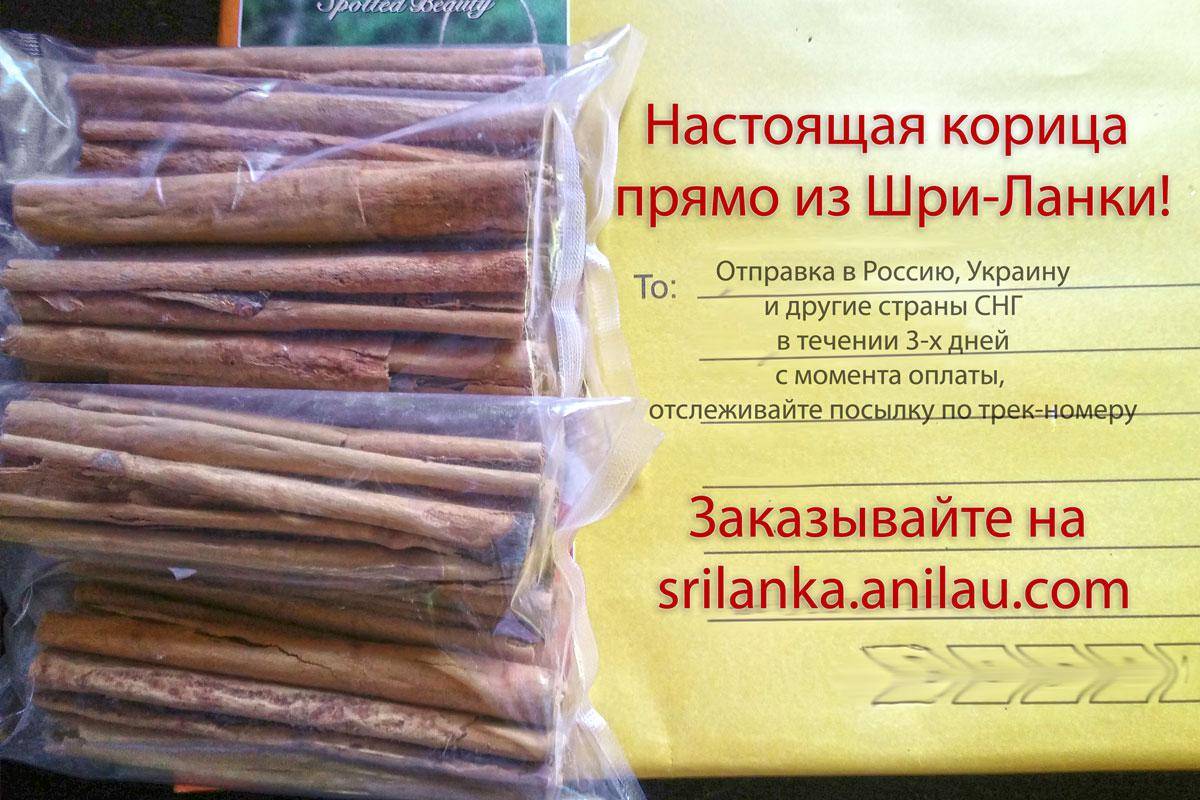
If you order cinnamon outside Sri Lanka, do not rely on the old fixed price and delivery promise from this article. Shipping costs, restrictions and customs rules change. Before paying, confirm the net weight, ingredients, dispatch country, total delivery price, estimated timing, import rules in the destination country and return conditions. Personal quantities are often simpler than commercial consignments, but the importing country’s rules are decisive.
The best test is a small tasting rather than a big promise. Infuse a quill in tea, add it to rice, fruit or a dessert, and compare it with the cassia you already know. Ceylon cinnamon is usually softer, lighter and more layered, but “better” depends on the recipe and your taste. The practical rule is simple: identify the variety, check the origin and label, and keep culinary pleasure separate from medical claims.
Sources: Department of Cinnamon Development — post-harvest technology; Department of Cinnamon Development — cinnamon cultivation; Sri Lanka Export Development Board — Ceylon Cinnamon PGI; NCCIH — Cinnamon: Usefulness and Safety.