People in Sri Lanka are talking about dengue again. Should you be afraid?
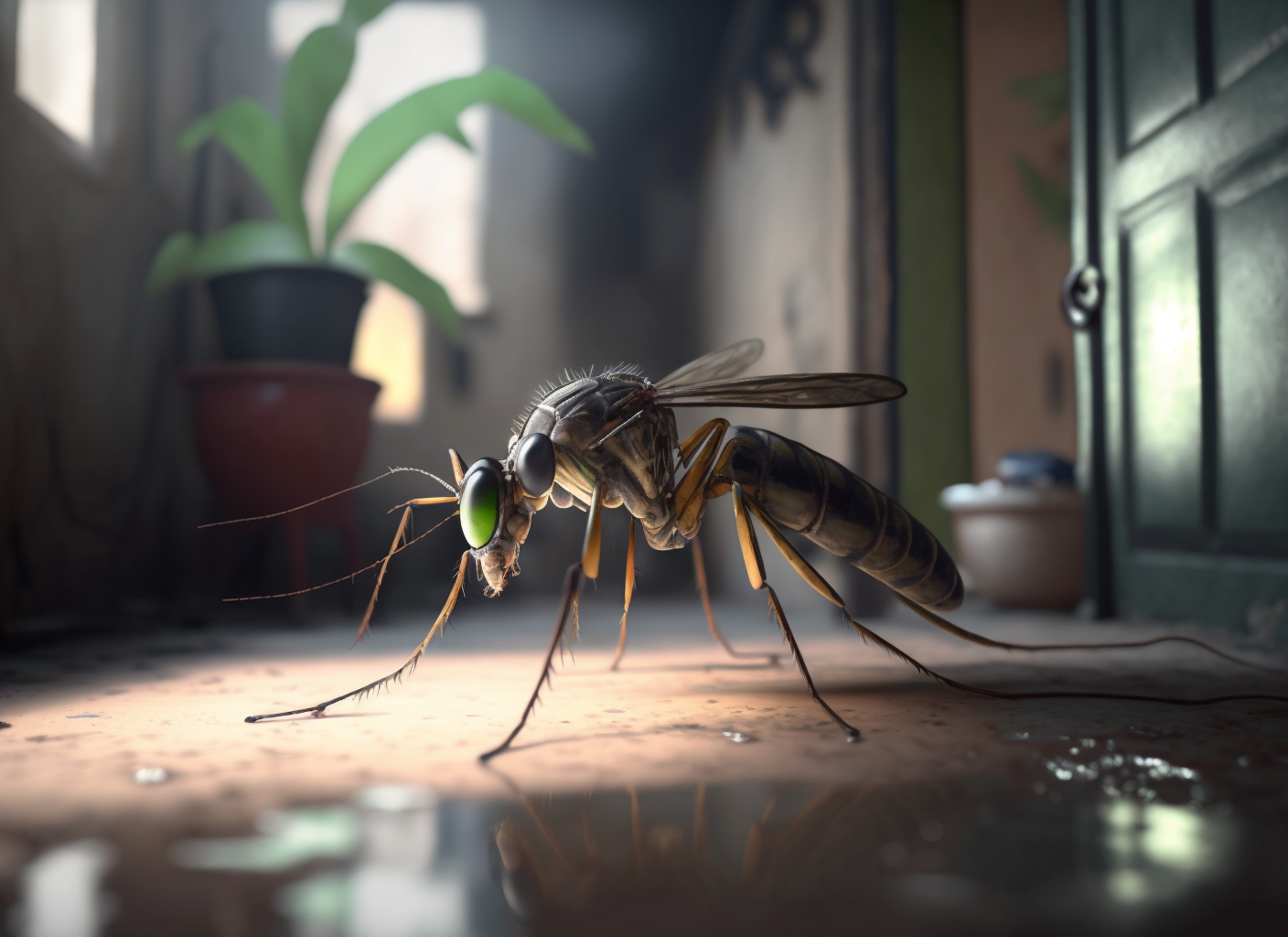
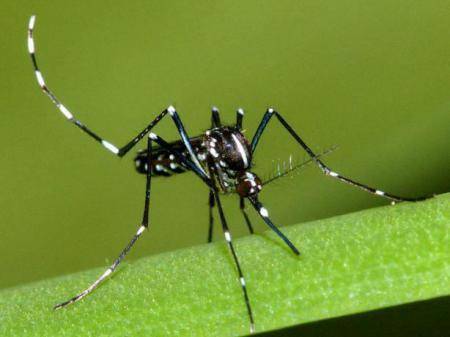
Dengue is a viral infection transmitted to people by the bite of an infected Aedes mosquito. These mosquitoes are often dark with pale markings, but the practical point is not to identify one by sight: it is to avoid being bitten.
How it spreads: the main route is the bite of an infected mosquito. Dengue is not spread through the air or by ordinary household contact. While a person is ill, the virus can circulate in their blood; if an Aedes mosquito bites them then, it can contribute to further transmission. This is why someone who is ill should protect themselves from further bites too.
Symptoms: high fever, severe headache, pain behind the eyes, muscle and joint pain, nausea, vomiting and a rash are common. The picture varies: many infections are mild or have no symptoms, and most people recover within one to two weeks. When I had it, it felt as if my body was being twisted: I constantly wanted to stretch my legs, and everything hurt as after a punishing workout. There was an awful taste in my mouth, and even cucumbers and pineapples seemed spicy and salty. That is my experience, not a checklist of required symptoms.
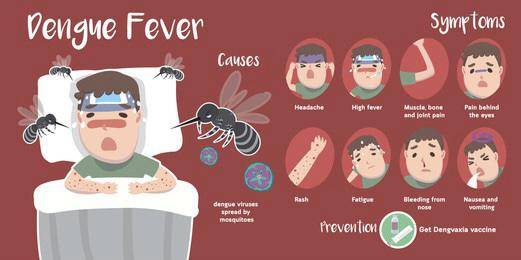
When not to wait: severe dengue can begin after the fever starts to fall. Severe abdominal pain, persistent vomiting, rapid breathing, bleeding from gums or nose, blood in vomit or stool, marked weakness, restlessness, intense thirst, or pale cold skin require urgent medical help immediately. Do not judge severity only by how you feel or by a platelet value in an old test result.
Treatment: there is no specific antiviral treatment for dengue; care depends on the person's condition and should be decided with a doctor. WHO advises rest, enough fluids and watching for warning signs. Paracetamol (acetaminophen) is generally used for pain and fever on a clinician's advice. Do not take aspirin, ibuprofen or other NSAIDs on your own when dengue is suspected: they may increase bleeding risk. Do not choose medicines or fluid amounts from this article, especially for children, pregnant people, older adults or anyone with chronic conditions.
My illness was severe, with hospitalisation and falling platelets. I am alive, well, and did not even fly back to Moscow, although I really wanted to at the time. Fatigue and emotional exhaustion can last for weeks after recovery; if you are not improving, discuss it with a doctor rather than dismissing it as ordinary weakness.
How to reduce risk: Aedes mosquitoes bite during the day, so repellent is not only for the evening. Choose a product with DEET, picaridin or IR3535 and follow its label; wear clothing that covers the body, use a net when sleeping in the daytime, and keep windows screened where possible. At your accommodation, empty, cover and clean water containers regularly: such places help mosquitoes breed.
Old totals of cases and deaths do not tell you your personal risk today. Sri Lanka's National Dengue Control Unit publishes current figures and prevention information; check it before travelling and follow local health advice. There is no need for panic—just be prepared and do not ignore symptoms.
When to seek help in Sri Lanka
- With fever or a combination of typical symptoms, see a doctor: dengue cannot be diagnosed from a description alone.
- With any warning sign of severe dengue, seek emergency care immediately, even if the fever has fallen.
- Tell the clinician about recent time spent in a dengue area and every medicine you have taken.
- Do not start aspirin, ibuprofen, diclofenac, mefenamic acid or other NSAIDs until a clinician has ruled out dengue.
Sources and review
Facts were checked on 2026-09-01 against the WHO dengue fact sheet, WHO questions and answers, Sri Lanka's National Dengue Control Unit and the Epidemiology Unit. This article is informational and does not replace medical advice.