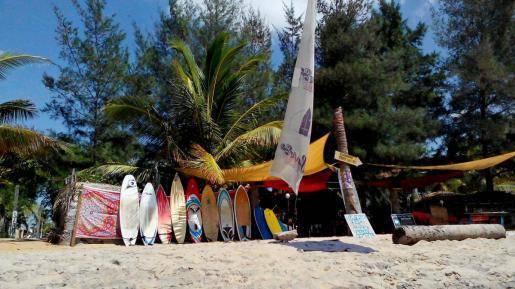
Every surfer who arrives in a country with an ocean looks for suitable places to ride. Not every beach is suitable, because waves differ in shape, size, wind, current and seabed. I am not a surfer and have never tried it, but talking to professionals taught me that the presence of waves does not automatically make a beach suitable for surfing. Beginners especially need clear conditions, an instructor and a place where they are not dealing with a reef, a strong current and a crowded break at the same time.
Sri Lanka has a place long chosen by surfers from many countries: Arugam Bay. It is a bay and a small tourist town on the southeast coast. You can combine surfing with a beach stay, trips through the dry zone and a look at local life. The word “paradise” in the title should not create false expectations: conditions change with the season, and a break that suits an experienced surfer may not be a safe swimming area for a beginner.
Location and access
Arugam Bay is on Sri Lanka’s southeast coast, in the dry zone. The nearest larger town is Pottuvil, a few kilometres from the tourist area. It has shops, markets, banks and transport, so it is useful for supplies and connections.
There is no railway station in Arugam Bay itself, so the final part of the journey is by road. From Colombo and other cities, use a bus, a car with a driver, or a train-and-road combination to a suitable transport point. Check the route for your date: traffic, stops and road conditions affect the total time. From Ella, a bus connection is possible, but it should not be treated as a short guaranteed transfer.
Visitors often combine Arugam Bay with Yala, Kumana, Lahugala or other eastern nature destinations. Confirm departure points, return times and entry rules in advance. National parks require permits and prescribed fees; check current information with the Department of Wildlife Conservation.
Climate and season
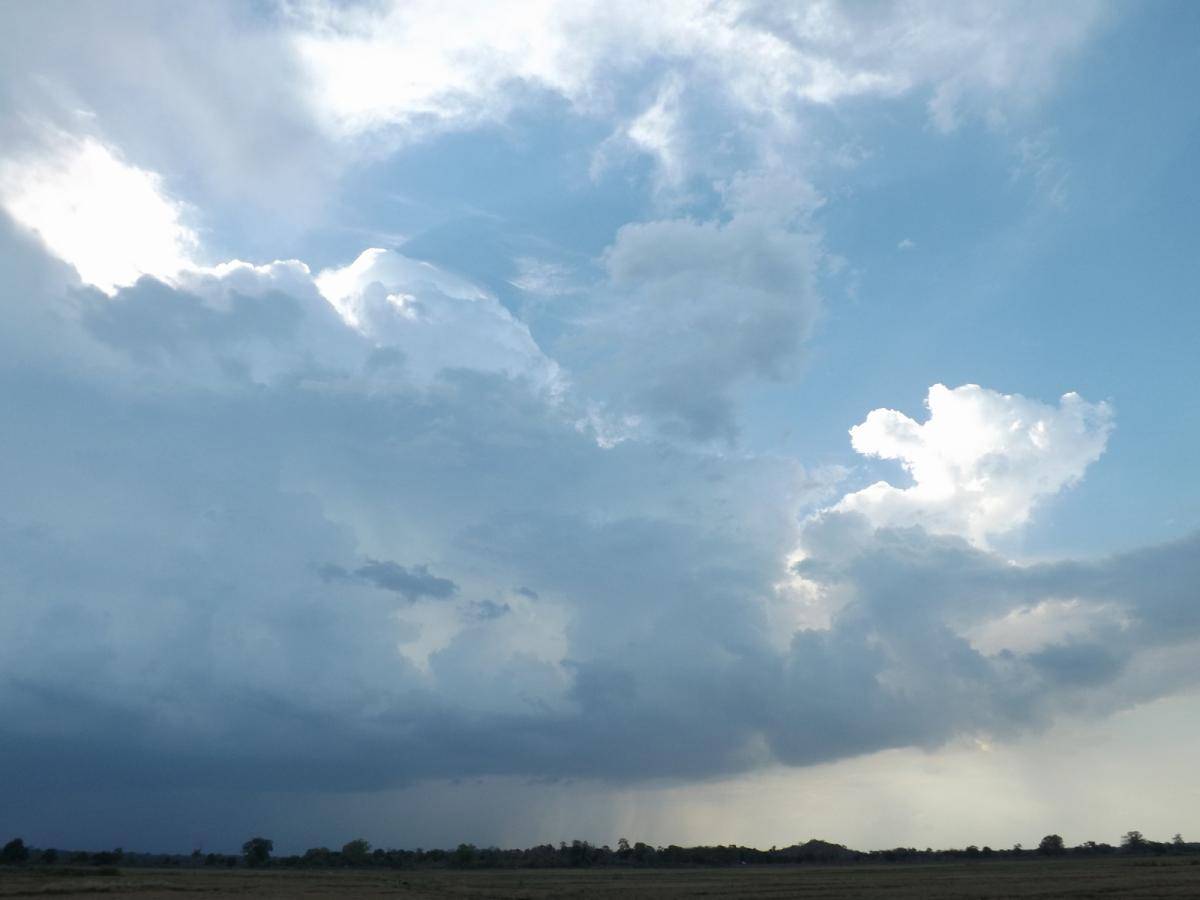
The southeast is drier and less lush than Sri Lanka’s wet southwest coast. Sri Lanka Tourism gives April to October as the main surfing season in Arugam Bay. This is a useful guide, not a promise of identical waves every day: wind, swell, rain and local currents change conditions.
During the season, mornings are often the practical time for water activities, while the hottest part of the day is better for rest or short trips. Use sun protection and drink water. Outside the main season, the beach can still be interesting, but sea and weather conditions are less predictable. Check the forecast and local advice for the specific beach.
People and atmosphere
Arugam Bay brings together fishing life, Muslim and Tamil communities, seasonal workers, small cafés and international surfers. It is better not to describe local people through stereotypes about religion, personality or bargaining. A respectful greeting, appropriate clothing, calm negotiation and respect for local customs are more useful.
The town becomes much livelier in the high season. Many cafés, rentals and instructors serve seasonal visitors, while the choice can be smaller in quieter months. Confirm lessons, board sizes, transfers and early meals in advance if they matter to your trip.
Beach: surfing is not the same as swimming
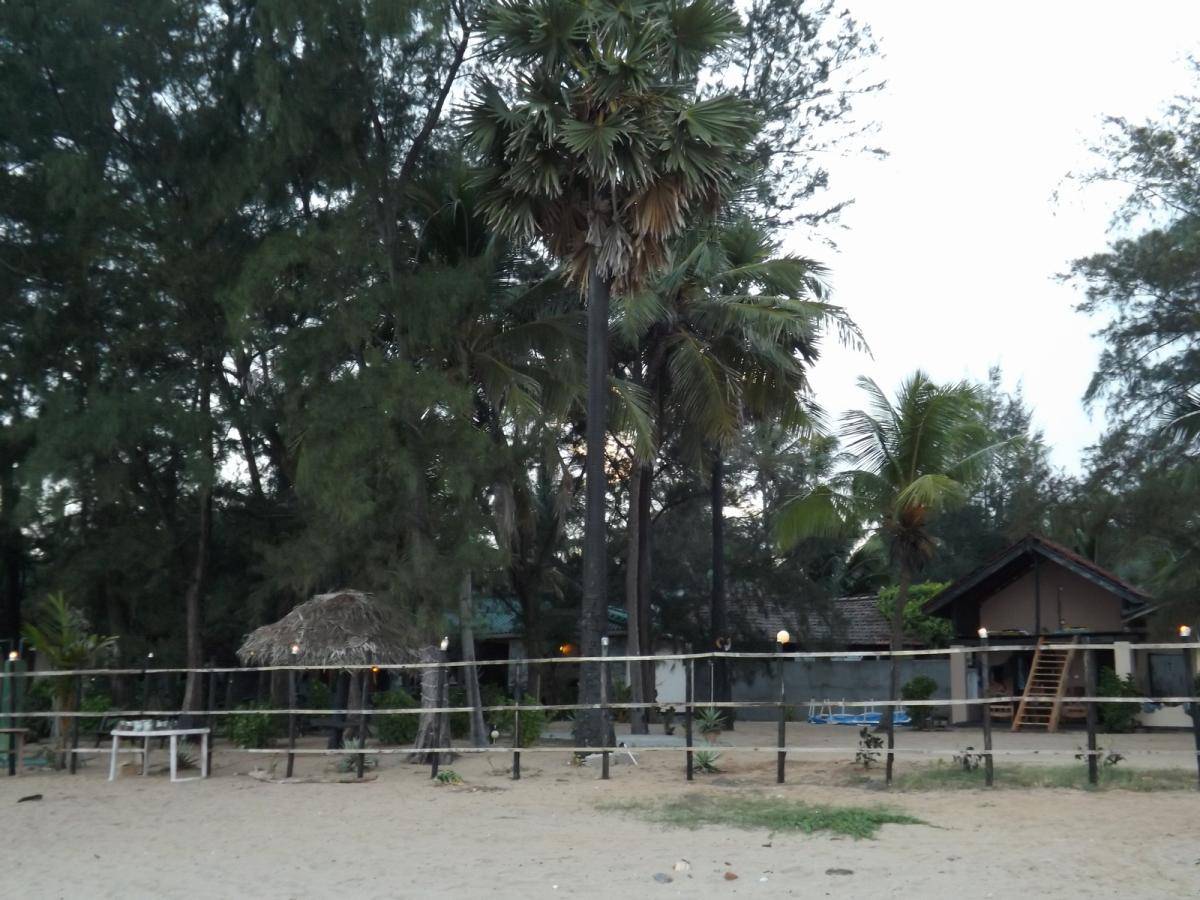
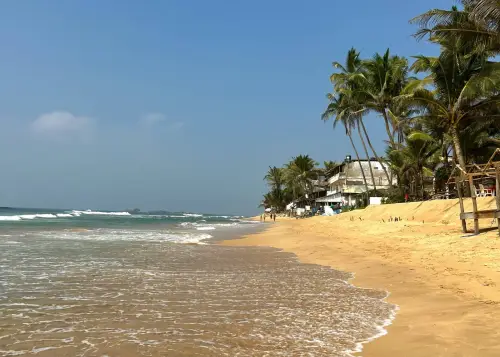
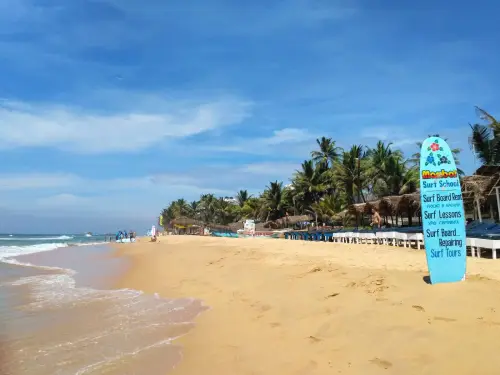
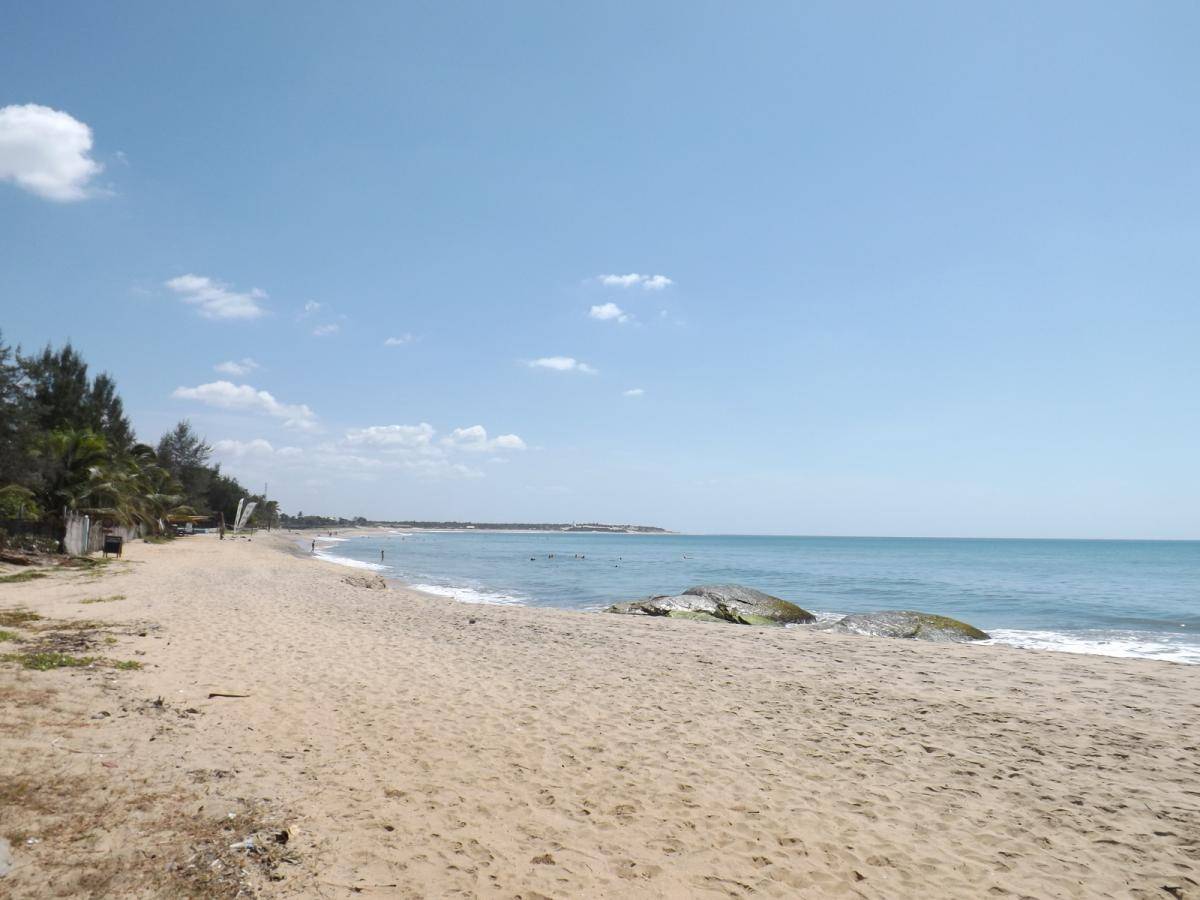
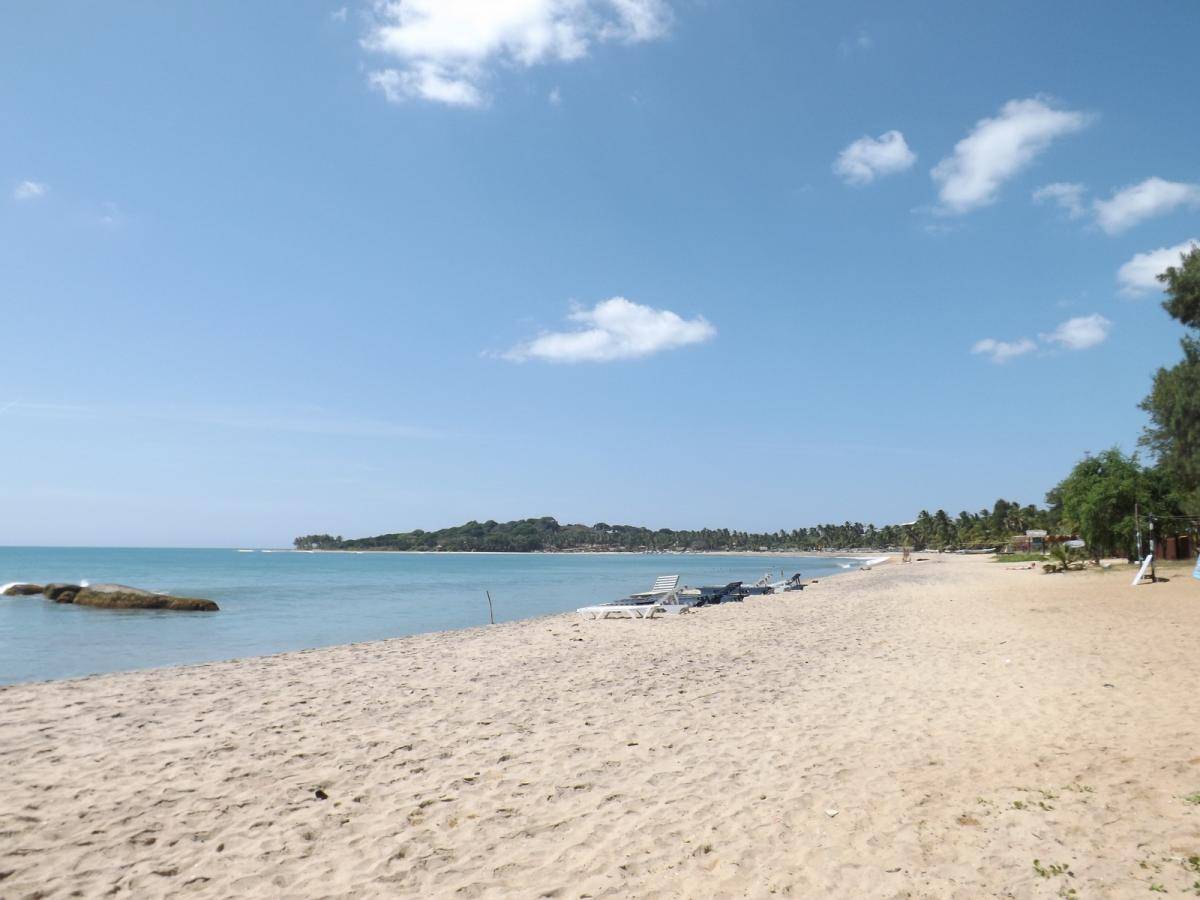
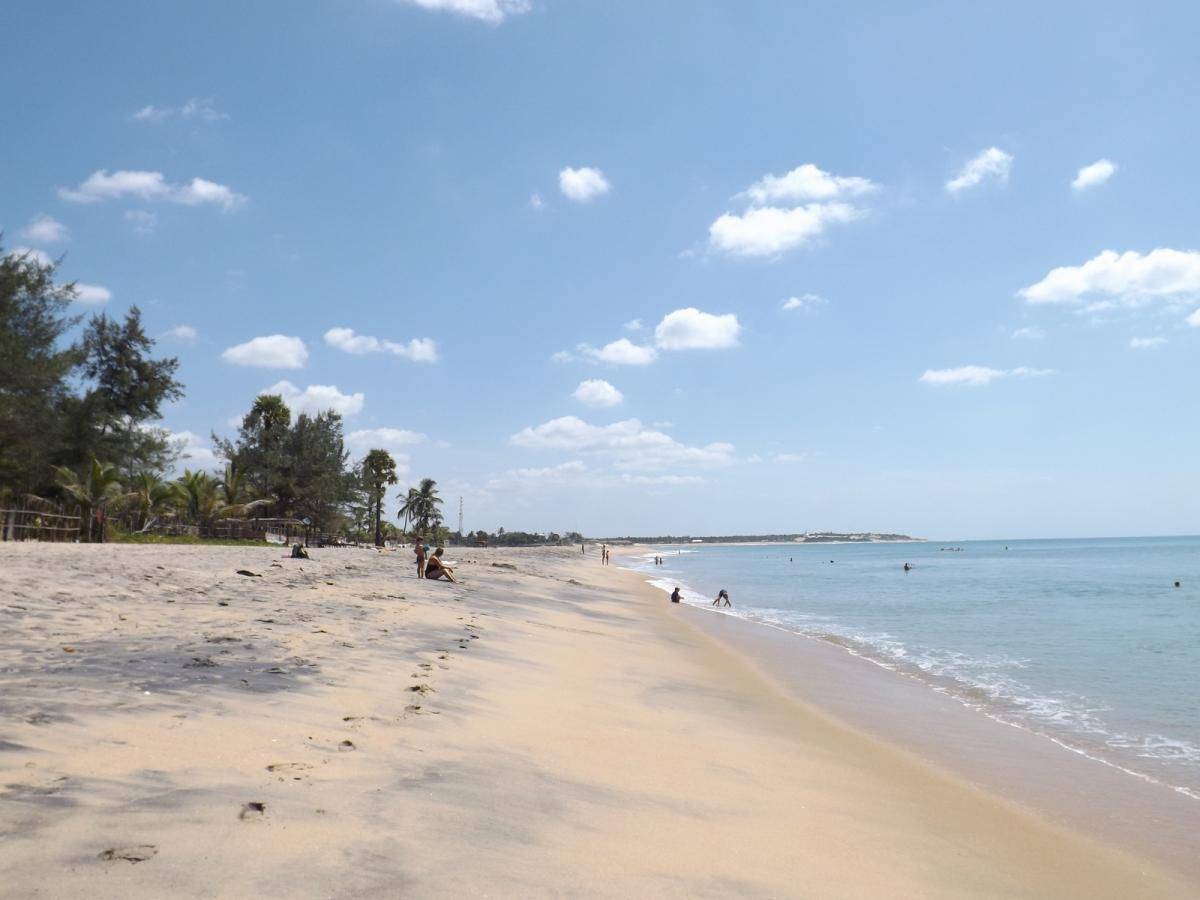
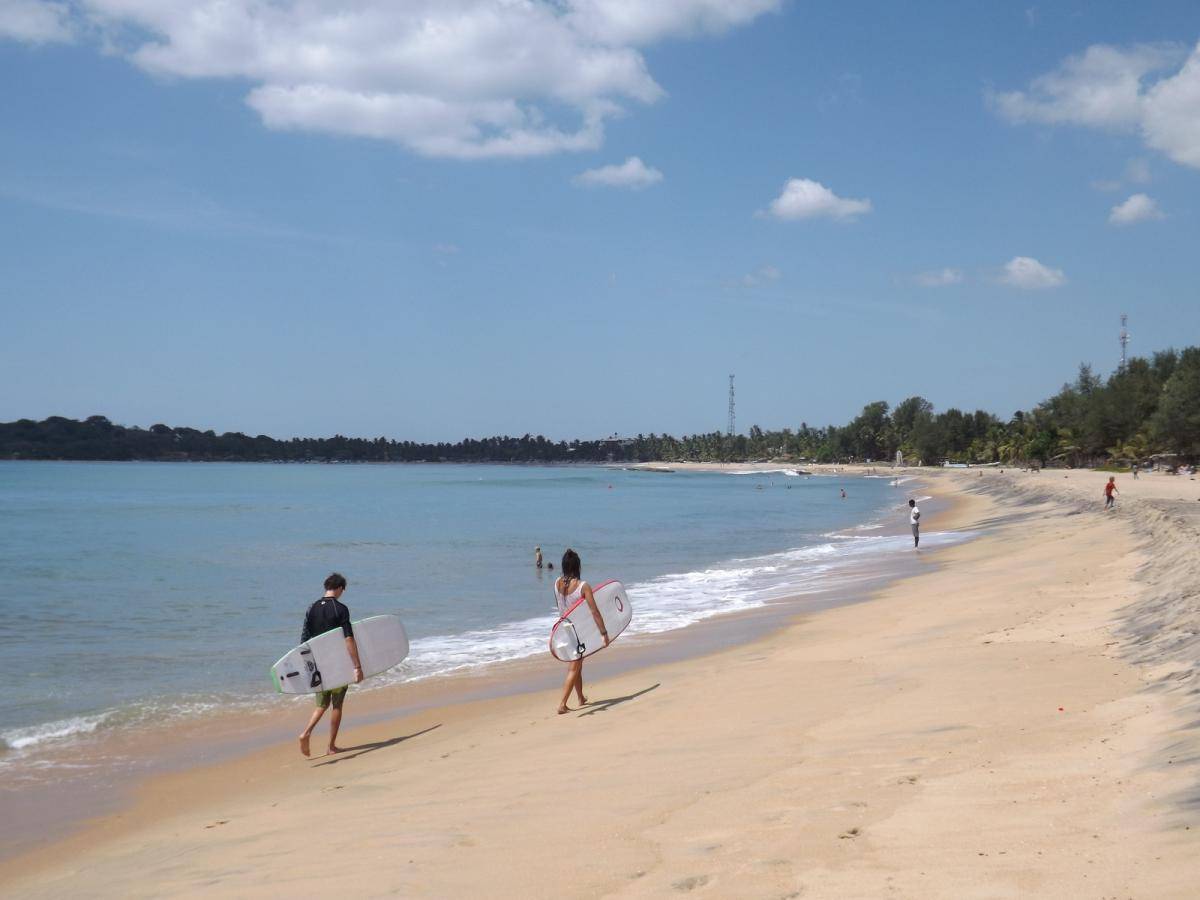
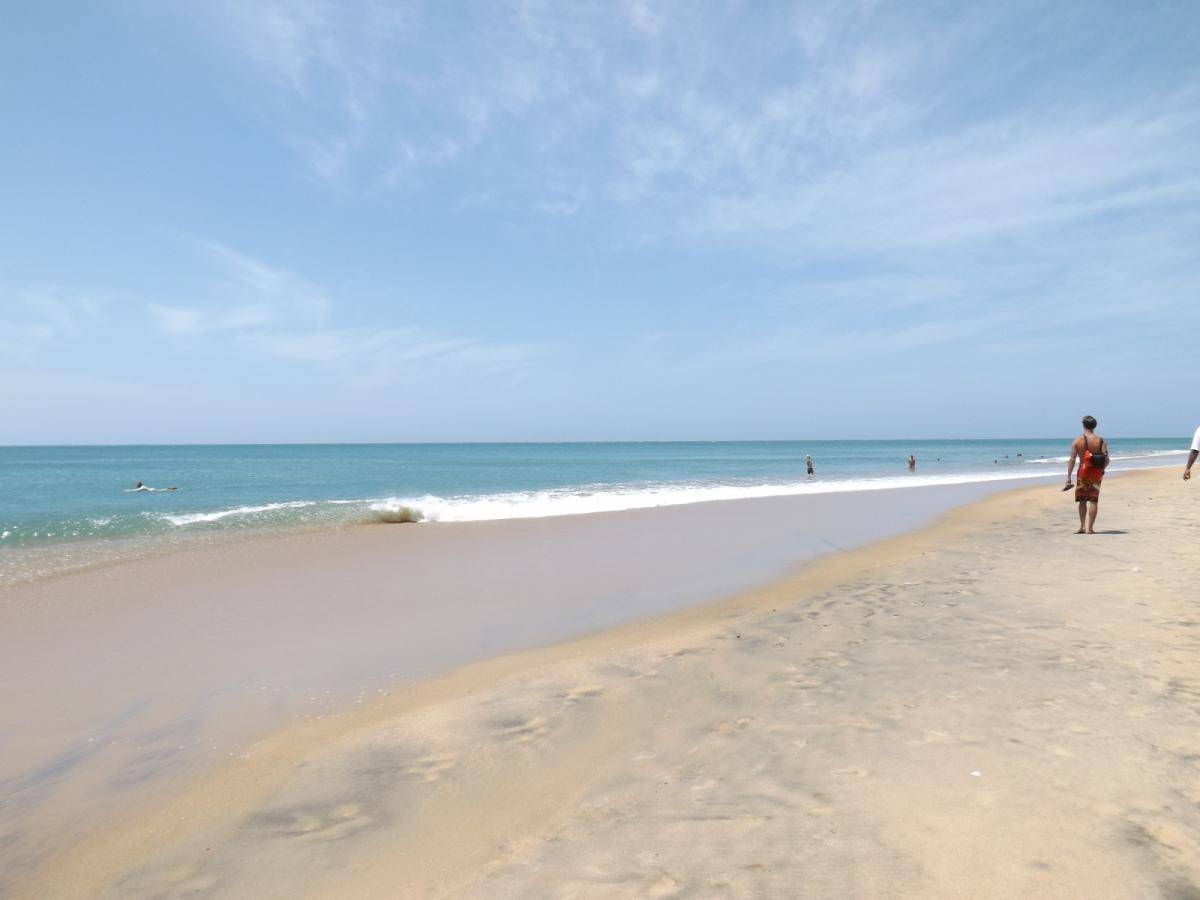
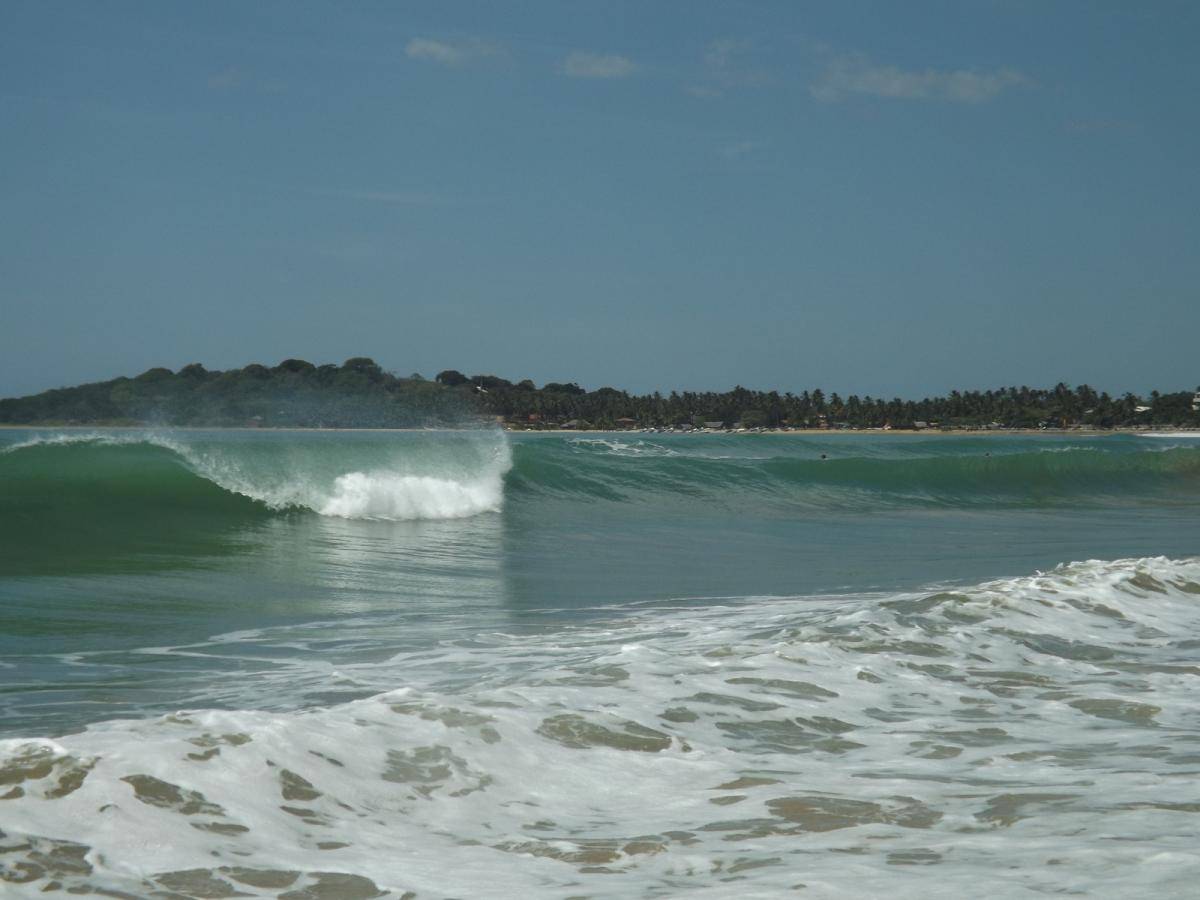
The main beach is long and sandy, but different sections behave differently. A good surf break may also have currents, rocks, reef or many boards in the water. Do not assume that calm shallow water in one bay describes the entire coast.
If you are not a confident swimmer, ask a local lifeguard, instructor or reputable surf centre about current conditions. Do not swim alone, enter during heavy surf or cross breaking waves without understanding the current. Shallow water is not automatically safe: a wave can knock you down and pull you sideways.
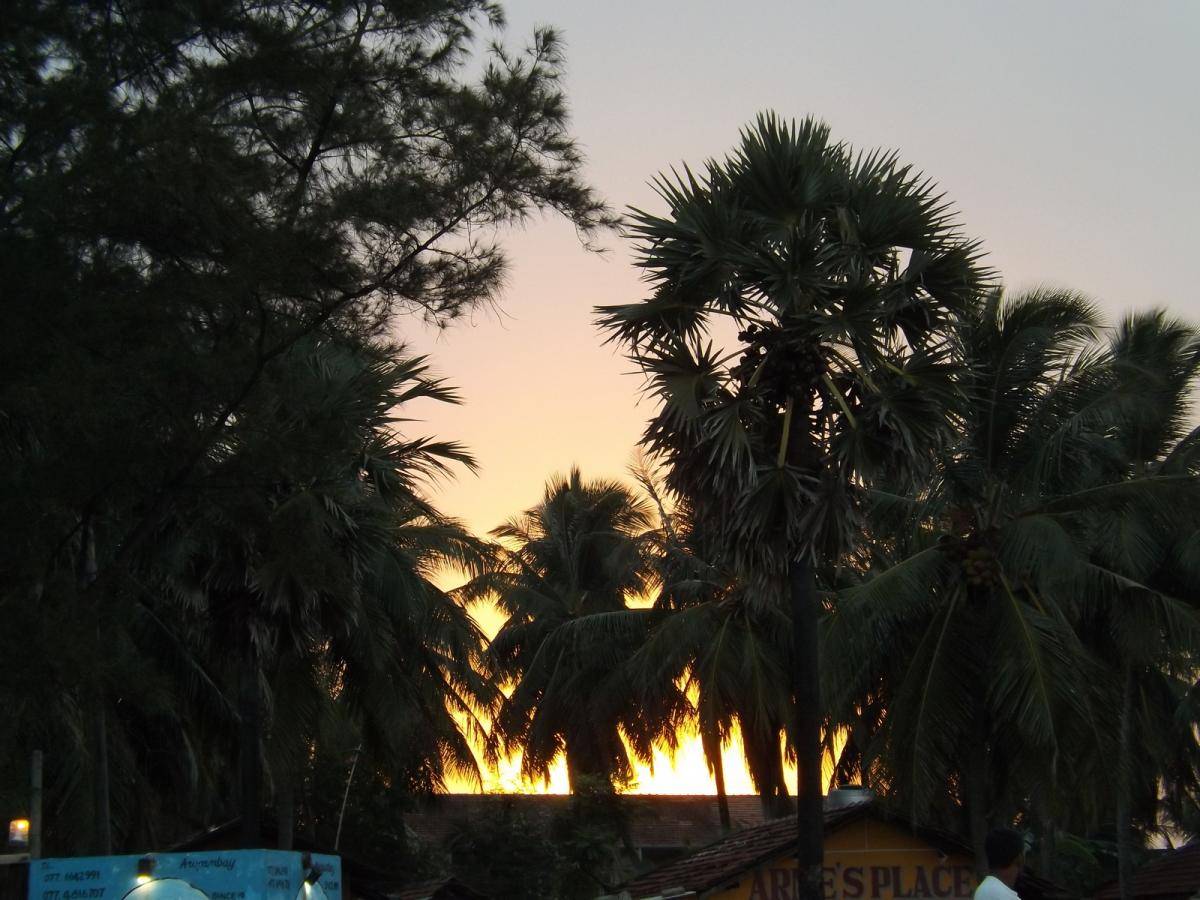
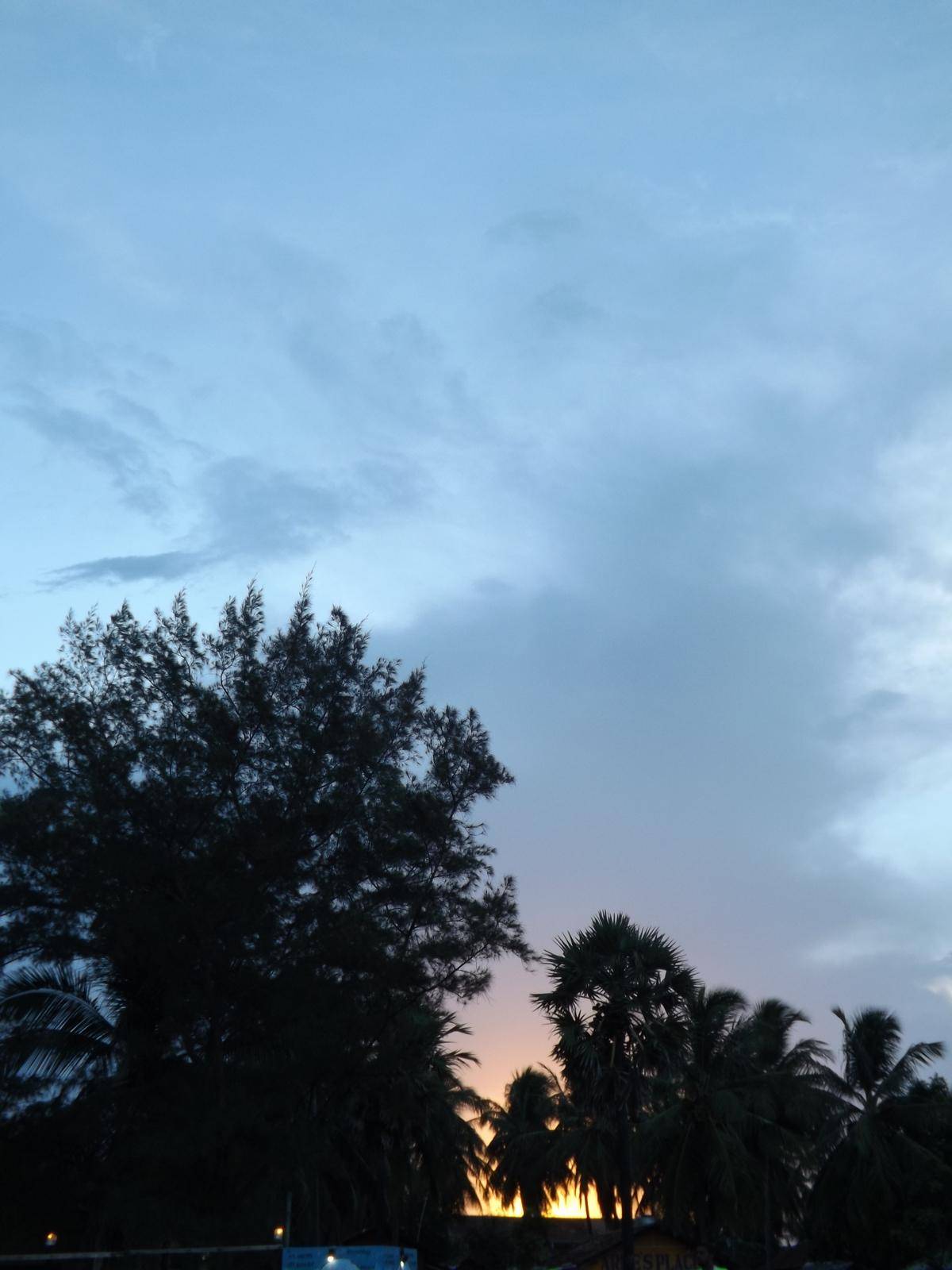
Sunrise and sunset are beautiful here. Still, a photograph is never more important than safety: watch the tide, avoid unstable rocks and keep valuables with you.
Surfing in Arugam Bay
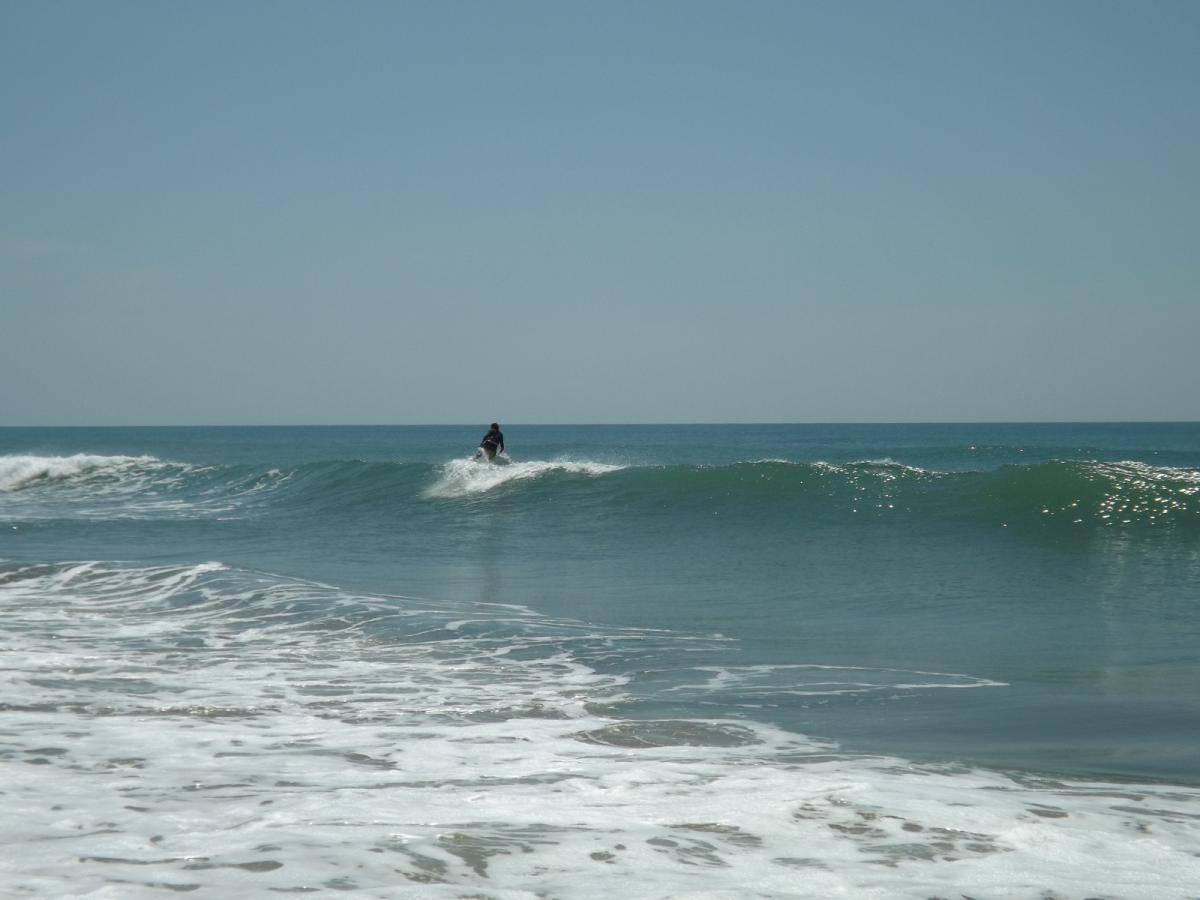
Arugam Bay can suit different levels if you choose a break for the conditions rather than its reputation. Well-known places include Main Point, Pottuvil Point, Crocodile Rock, Elephant Rock and Peanut Farm. Access, wave size, wind and road conditions can differ from one day to the next.
For beginners
A first lesson should cover more than standing on a board. An instructor should explain how to read the beach, currents, distance from other surfers, priority rules and how to leave the water safely. Choose a board that matches your weight and level, use a leash, warm up and start on a suitable bottom. Even a small wave becomes dangerous if you do not know how to fall and return to your board.
For experienced surfers
Experienced surfers can assess wind direction, swell, tide, crowd size and the shape of the break. Even then, Arugam Bay is not the same every day. Ask a local instructor or operator about current conditions, do not enter an unfamiliar reef without preparation and share the water respectfully.
The old article quoted board rental at Rs 500 per day and lessons at Rs 2,000–3,000 per hour. Those figures are not current guidance. Prices depend on season, equipment, lesson length, instructor and format. Before paying, ask what is included, whether insurance applies, what happens in poor conditions and who is responsible for the board.
Diving and other water activities
The original text mentioned Great Basses and Little Basses and suggested renting a boat independently. That is not a universal recommendation: remote reefs require appropriate logistics, experience and an operator following safety procedures. Do not go simply because you can rent a boat or carry a mask.
For diving, snorkelling, a lagoon trip or another activity, ask about equipment, instructor qualifications, group size, communication, safety gear, weather limits and cancellation terms. Do not touch coral or wildlife, feed animals or dive in poor visibility or strong current. SLTDA publishes guidance and documents for water-based tourism activities, including surfing, scuba diving and snorkelling.
Accommodation and food
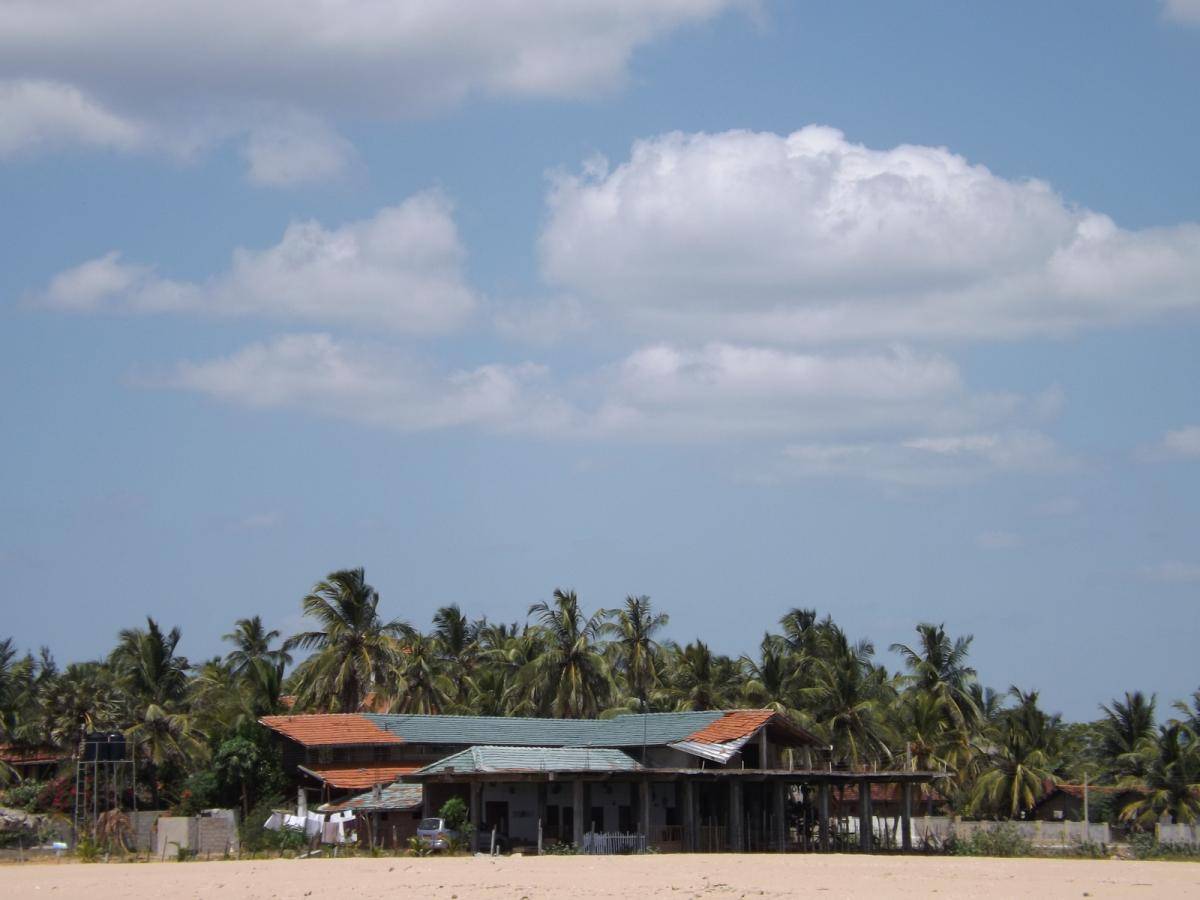
Arugam Bay has guesthouses, hostels, small boutique hotels and more expensive options. We once stayed for one night and two days in a simple guesthouse near the ocean. That is a memory from a particular trip; the old Rs 2,500 room price is not a current reference.
Suitable rooms can fill quickly during the surfing season. If you need air conditioning, hot water, a desk, quiet or board storage, confirm it before paying and request current photos. Compare not only the nightly price but also distance to your break, early breakfast, equipment storage, internet and cancellation terms.
Pottuvil and Arugam Bay offer seafood, rice and curry, simple breakfasts and familiar tourist food. If you have an allergy or dietary restriction, explain it clearly in advance because ingredients and preparation vary.
Places nearby
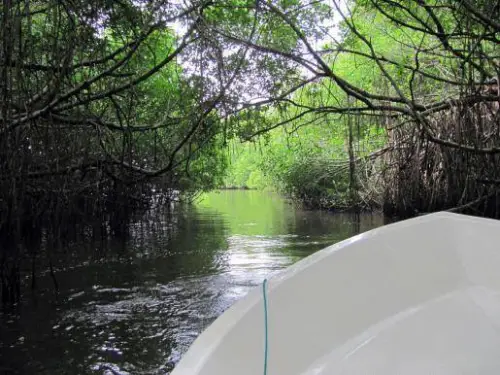
The surrounding area has lagoons, lakes, forest and places connected with the history of the east coast. Pottuvil Lagoon can be visited by boat and is useful for calm scenery and birdwatching. Choose an operator with a sound boat and life jackets, do not demand close approaches to animals and do not expect a particular species to appear.
Lahugala and other natural areas can be planned as separate trips. If a route enters a national park, check permits, fees, opening conditions, entrance and transport with DWC. Wildlife may appear beside a road or not appear at all. Do not feed animals, chase them, leave a vehicle without permission or block their path.
Muhudu Maha Vihara is a Buddhist temple, so dress modestly and follow the site’s rules. Ask locally about access and swimming conditions on the nearby shore: rocks, waves and currents change. A visit to the temple should not be presented as a guarantee of a safe beach.
A short itinerary
- One day: choose one surf break or lesson, leave time to rest and do not add a safari and a distant lagoon to the same plan.
- Two or three days: surf in the morning, rest or explore the town later, and add one pre-checked trip nearby.
- Four days or more: add Lahugala, the lagoon, the temple or another nature route after confirming transport, permits and seasonal conditions.
Before paying for a lesson or tour, ask where it takes place, what bottom and wave level are expected, whether equipment is included, who the instructor is, what happens in poor sea conditions and how payment is handled. Check current accommodation rates and cancellation rules. For the sea, read the forecast but make the final decision after assessing the beach.
Arugam Bay can become one of Sri Lanka’s most memorable places. Its value is not a promise of perfect waves, cheap rooms or safe swimming everywhere, but the combination of surf culture, dry landscapes, ocean and local communities. Choose the season and break for your level, and treat changing conditions as part of the trip.
Sources: Sri Lanka Tourism — Arugambay and Pottuvil Point; Sri Lanka Tourism — climate and weather alerts; SLTDA — guides and water-based tourism activities; Department of Wildlife Conservation — national parks; DWC — day visitor ePermit. Recheck season, waves, prices, transport, sea conditions and entry rules before travelling.