Hikkaduwa: what to see and do in Sri Lanka's popular beach resort
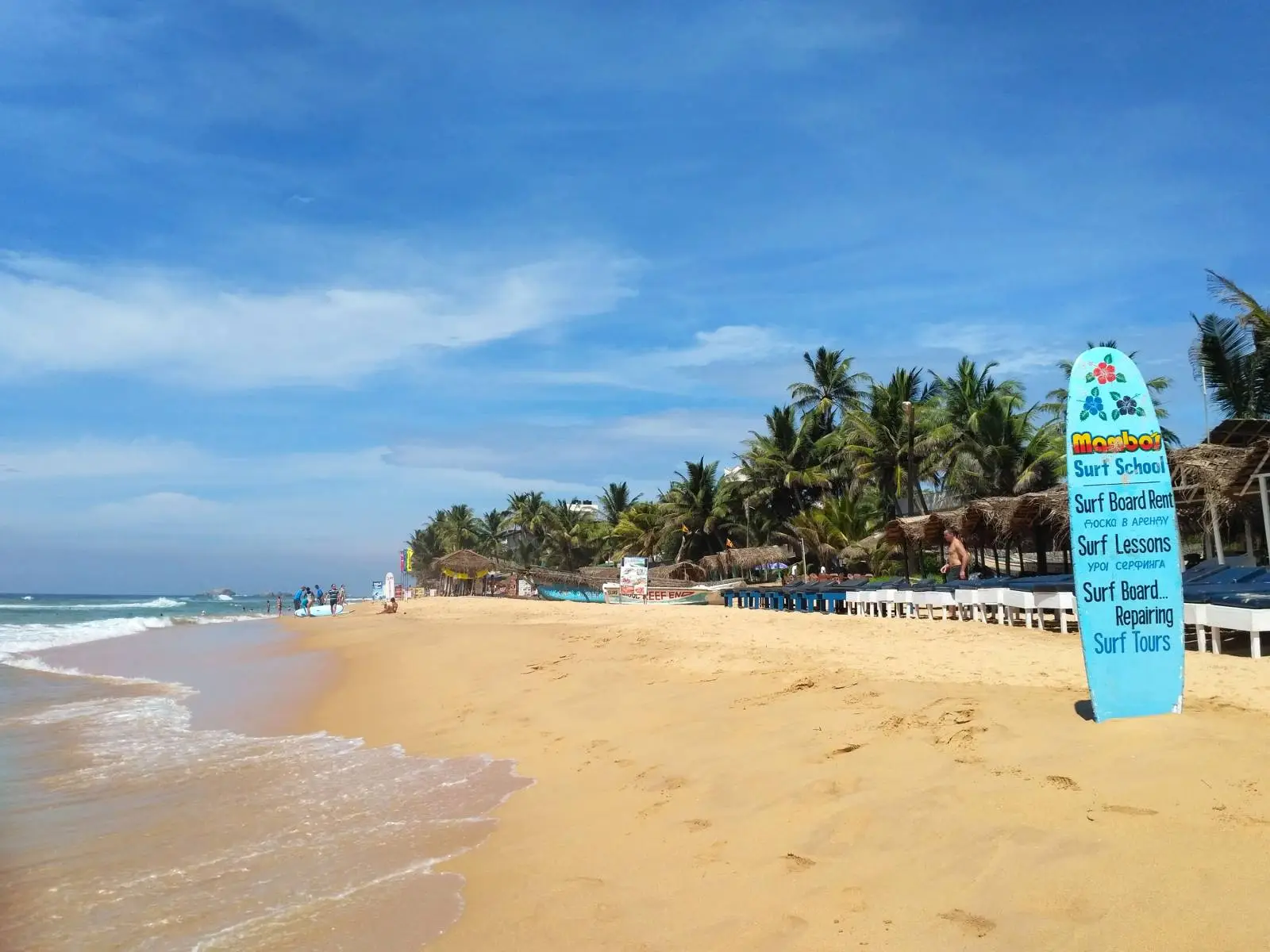
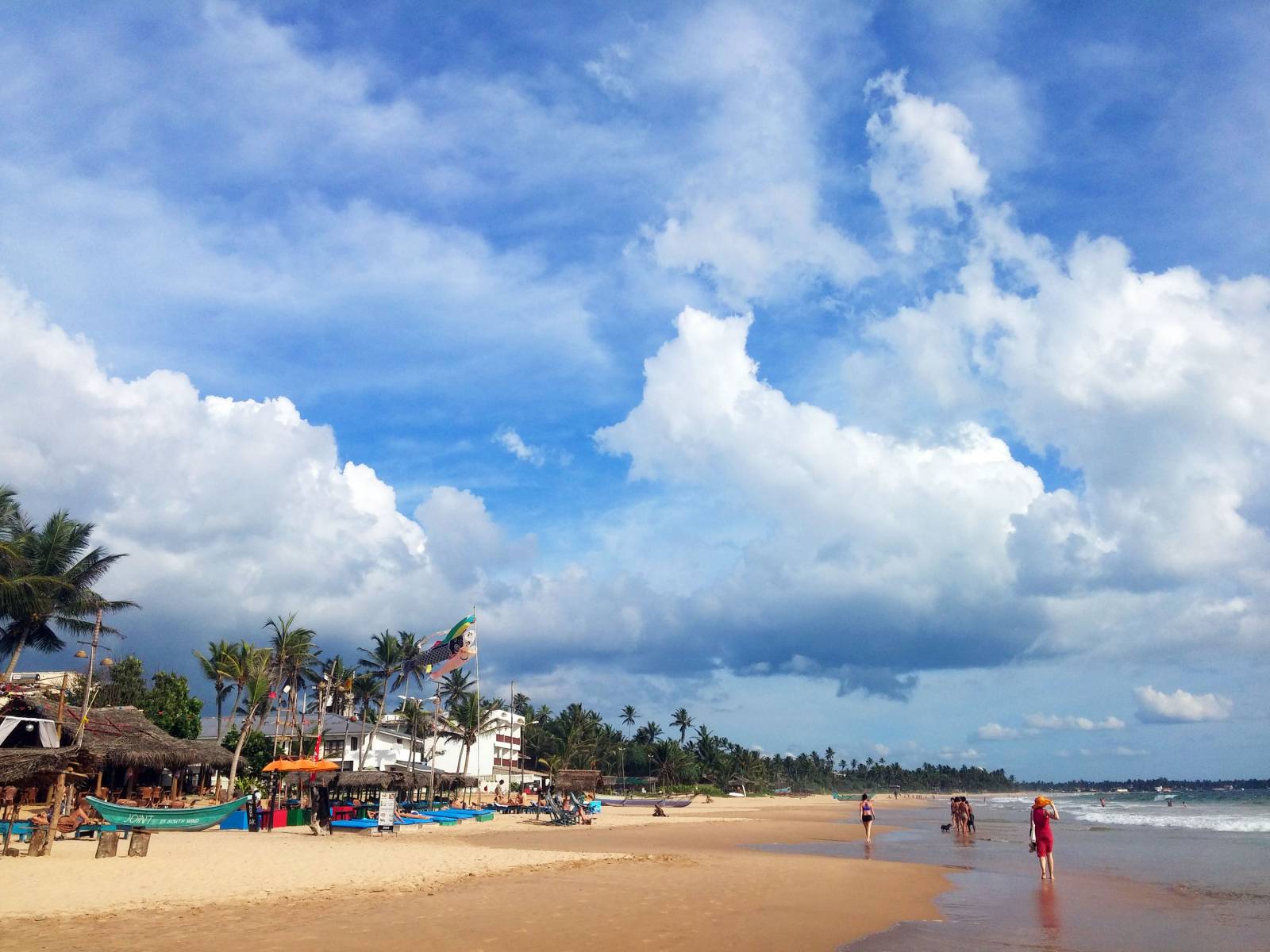
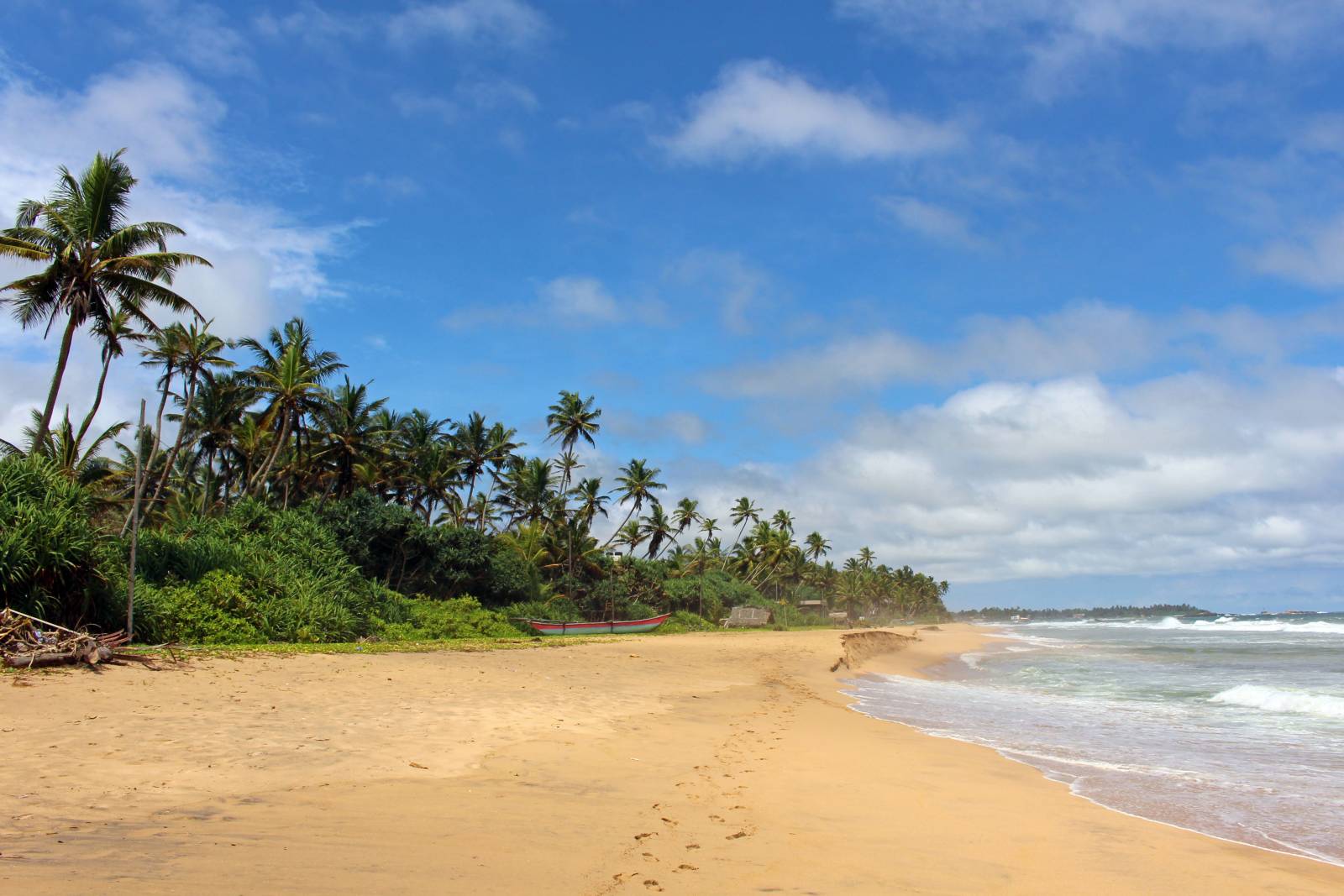
Palm-fringed beaches, diving, surfing, seafood curries, Buddhist temples and Ayurvedic treatments — Hikkaduwa has all of them. Although some travellers feel that the resort is less idyllic than it used to be, it remains a convenient base for a beach holiday and for exploring Sri Lanka’s south-west coast.
If you are in Colombo and want to exchange the city for the ocean, Hikkaduwa is about 98 km south of the capital and roughly 14 km from Galle. Travel time depends on traffic, the road and your transport, so the old estimate of “two and a half hours” should not be treated as a timetable. You can arrive by train, bus, taxi or car with a driver; choose according to arrival time, luggage and your first stop rather than price alone.
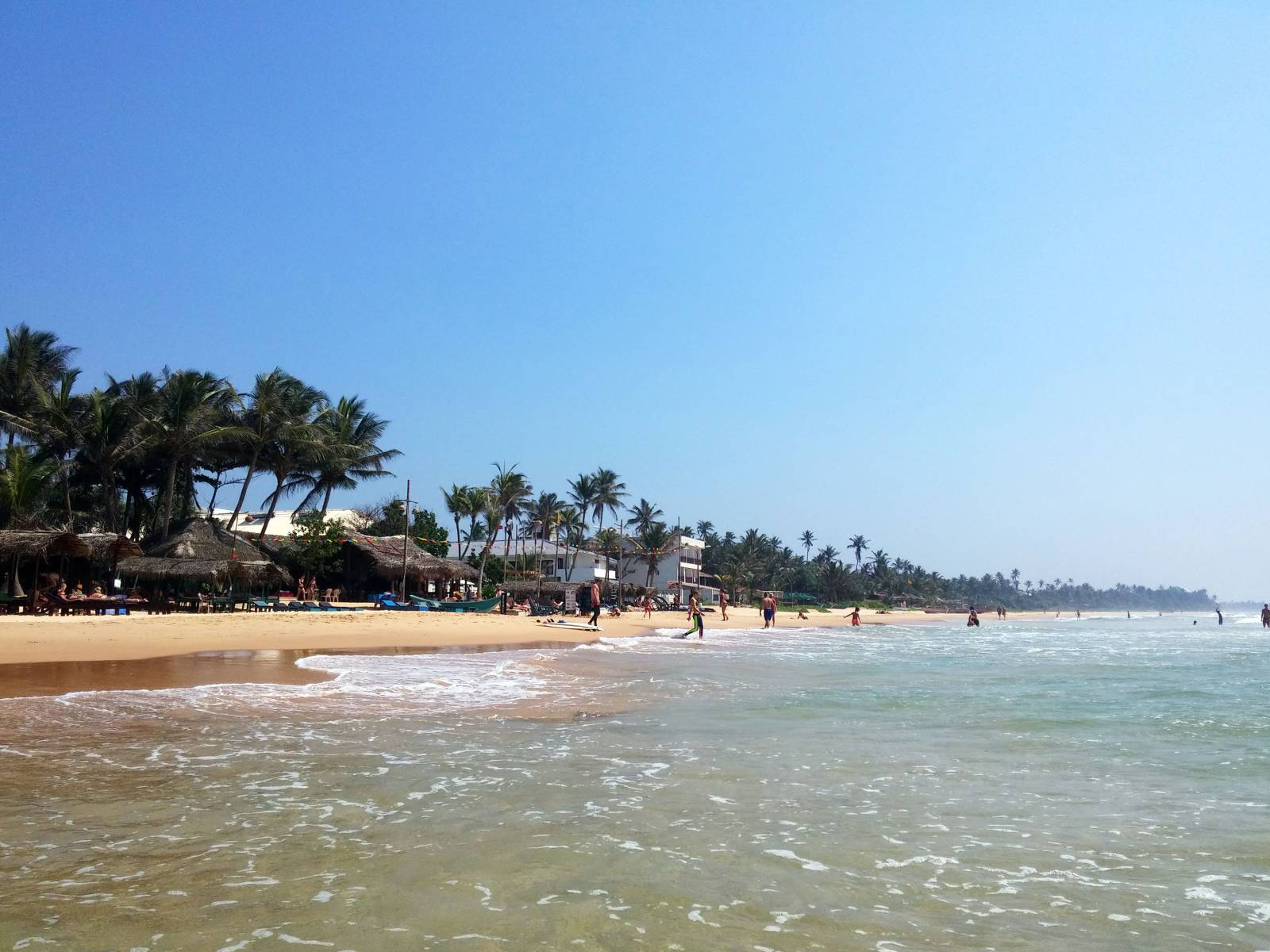
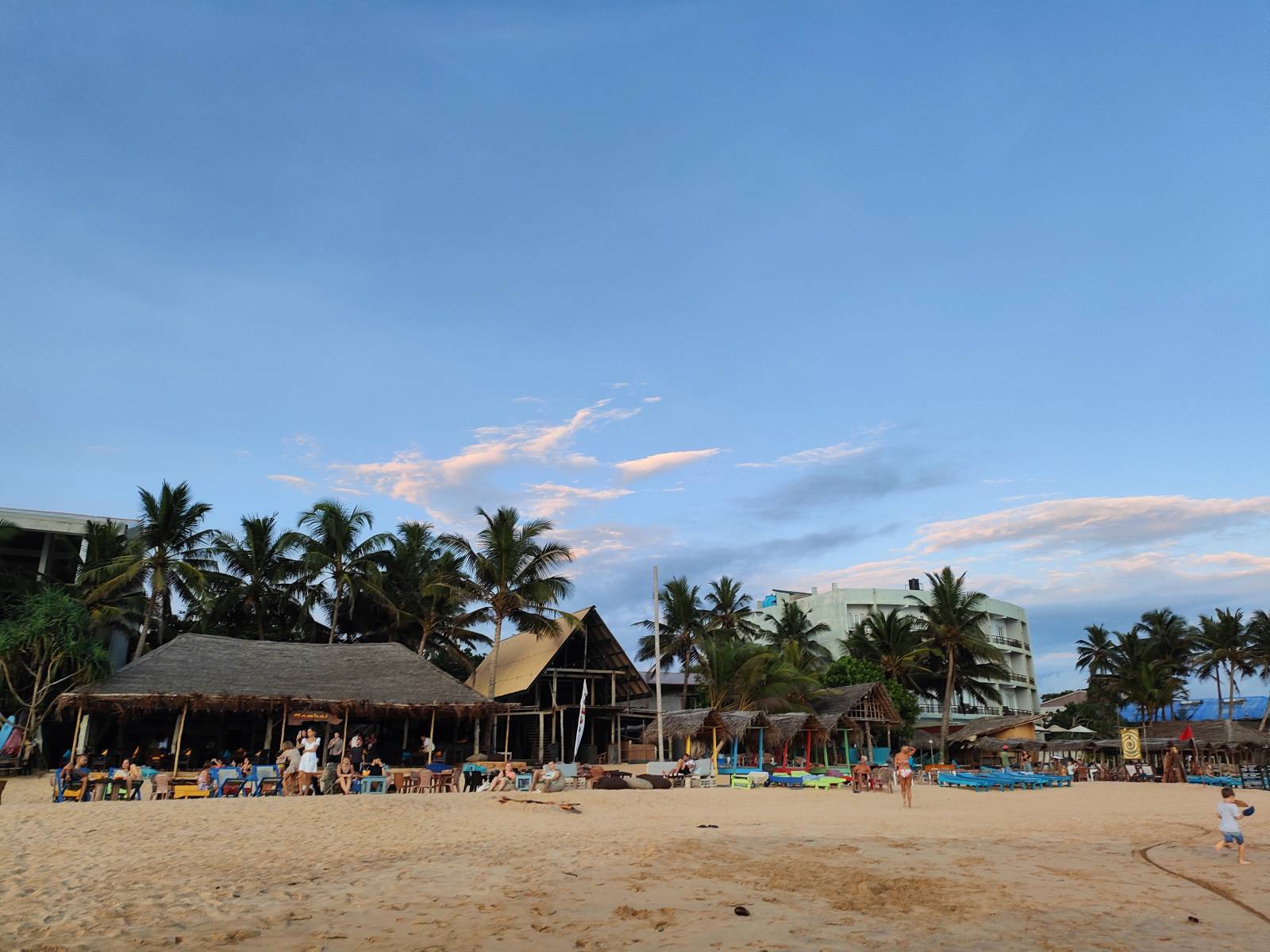
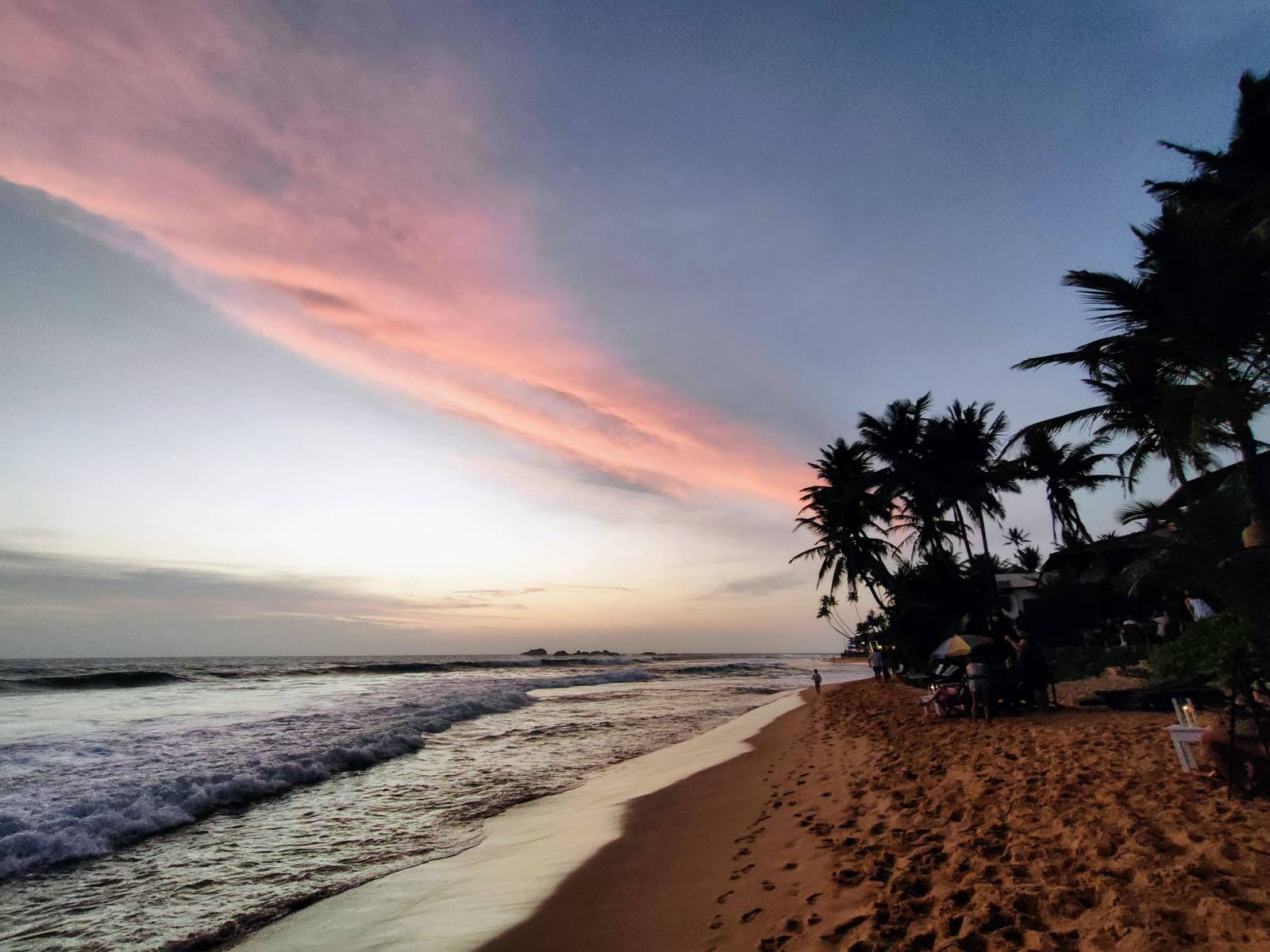
Known for the devastating effects of the 2004 tsunami, Hikkaduwa has since rebuilt and grown into a long tourism strip of hotels, guesthouses, restaurants, bars and shops. It has developed, but it is not a copy of Kuta in Bali or Goa in India. The feeling of a quiet place depends on the stretch of coast and the season: the beach may be calm during the day while the central area becomes livelier in the evening.
Things to do in Hikkaduwa
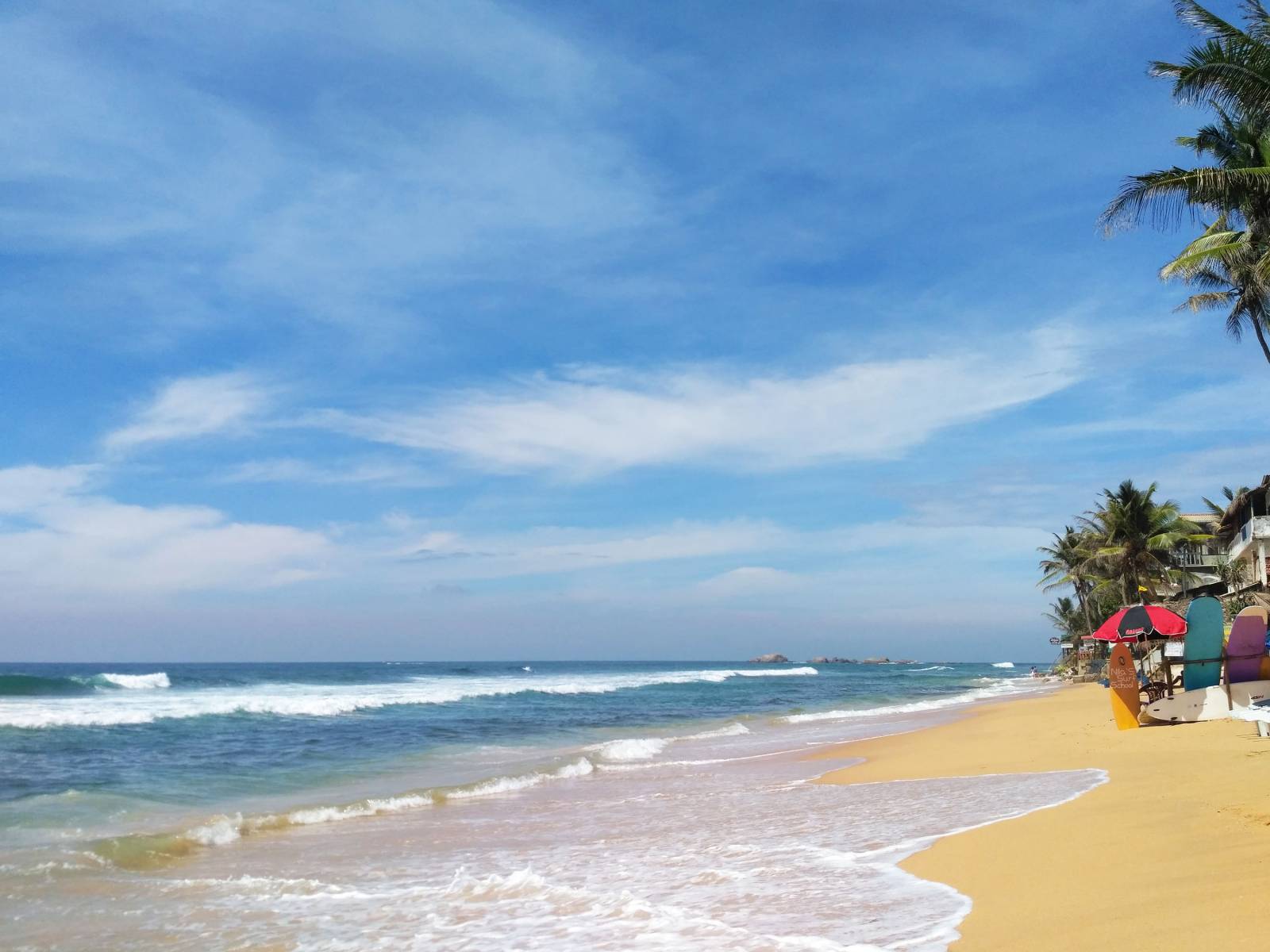
The main choice is between a beach day, water sports and trips around the area. Sri Lanka Tourism describes Hikkaduwa as a place for surfing, snorkelling, diving and glass-bottom boat trips. The Department of Wildlife Conservation separately lists Hikkaduwa for boat safaris and snorkelling. Sea conditions, visibility, currents and access to a particular area change, so plan water activities around the weather and a local operator’s advice.
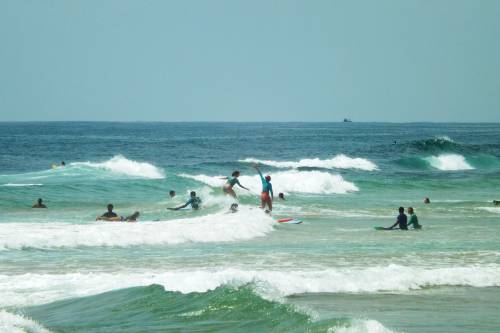
For surfing on the south-west coast, the usual orientation is November to March, but that is seasonal guidance, not a promise of suitable waves on a particular day. The official Hikkaduwa description gives waves of roughly 4 to 11 feet depending on the location and conditions. Beginners should start with a lesson at a spot the instructor considers appropriate, stay out when red flags are shown and avoid overestimating their ability. Experienced surfers should ask about the reef, depth, entry and local rules before paddling out.
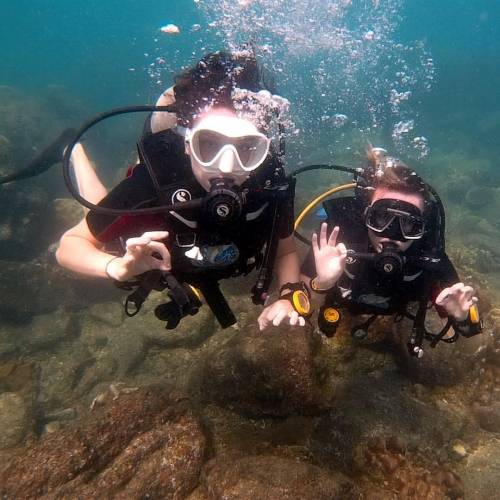
Snorkelling near the coral reef can be enjoyable without specialist training, but a reef is not a swimming pool. Do not stand on coral, touch turtles or fish, feed wildlife or take anything from the seabed. Masks and fins can be rented locally, but check the condition of the straps, mask and safety equipment. If you take a boat, ask about the route, group size, life jackets and what happens if the weather deteriorates.
Official tourism material mentions sea turtles and colourful fish around Hikkaduwa’s coral sanctuary. This does not mean that animals will appear on every trip or that visitors may approach them. Responsible wildlife viewing means keeping distance, avoiding contact and choosing an operator that does not promise a guaranteed encounter by breaking the rules.
Older travel texts often mention turtle farms or hatcheries near Hikkaduwa and describe releasing young turtles. Do not automatically treat every such venue as a conservation centre: check its current status, animal-care conditions and operating rules before visiting. If your aim is to see wildlife without interfering with it, follow current Department of Wildlife Conservation guidance and avoid attractions built around handling animals.
Museums, temples and coastal history
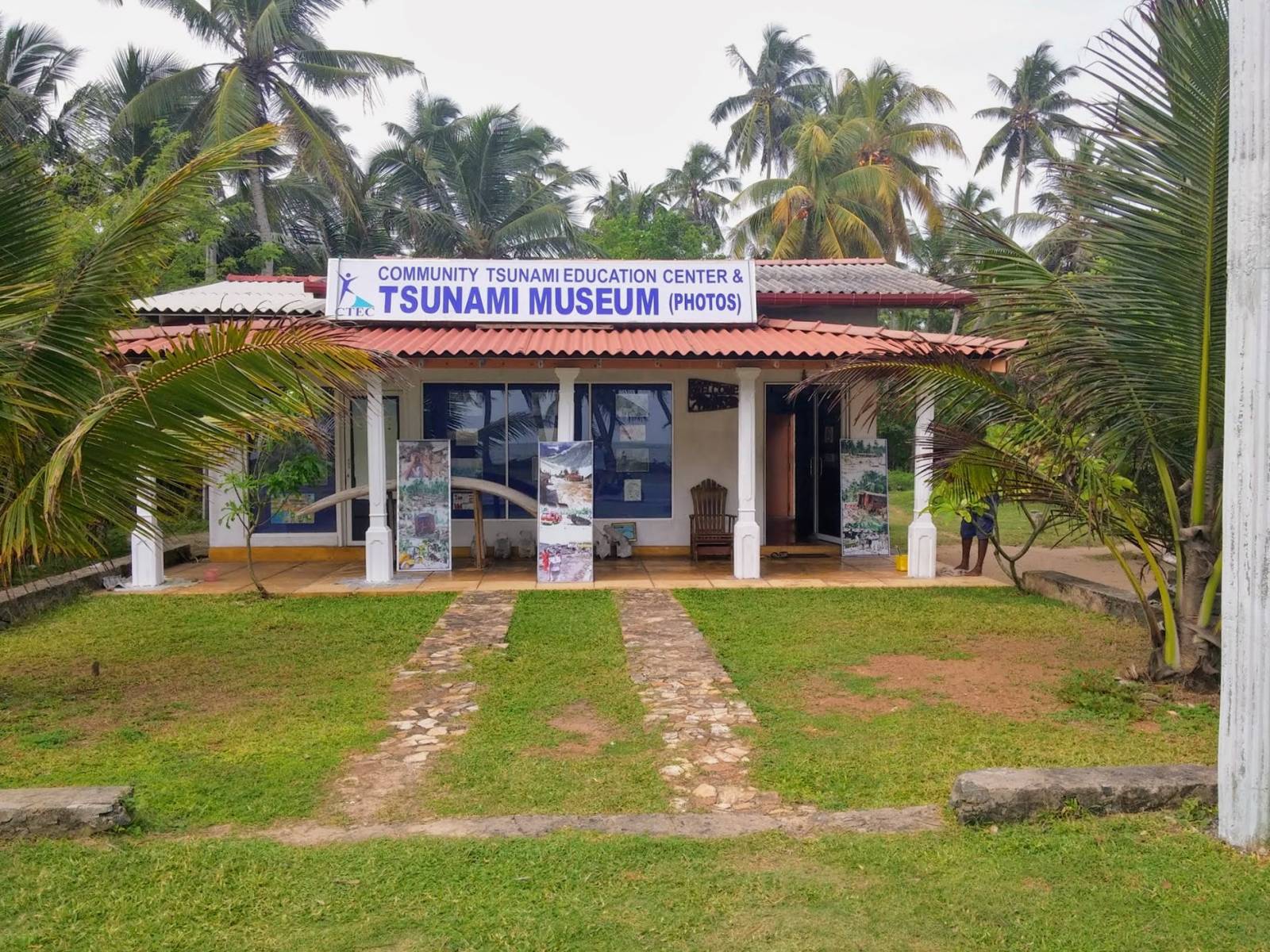
Near Hikkaduwa is the tsunami museum in Telwatta, a place of remembrance and personal accounts from people who lived through the disaster. Check its opening hours and access before travelling: small community exhibitions can change their schedule. Visit respectfully, without turning private stories and photographs of those who died into an ordinary entertainment stop.
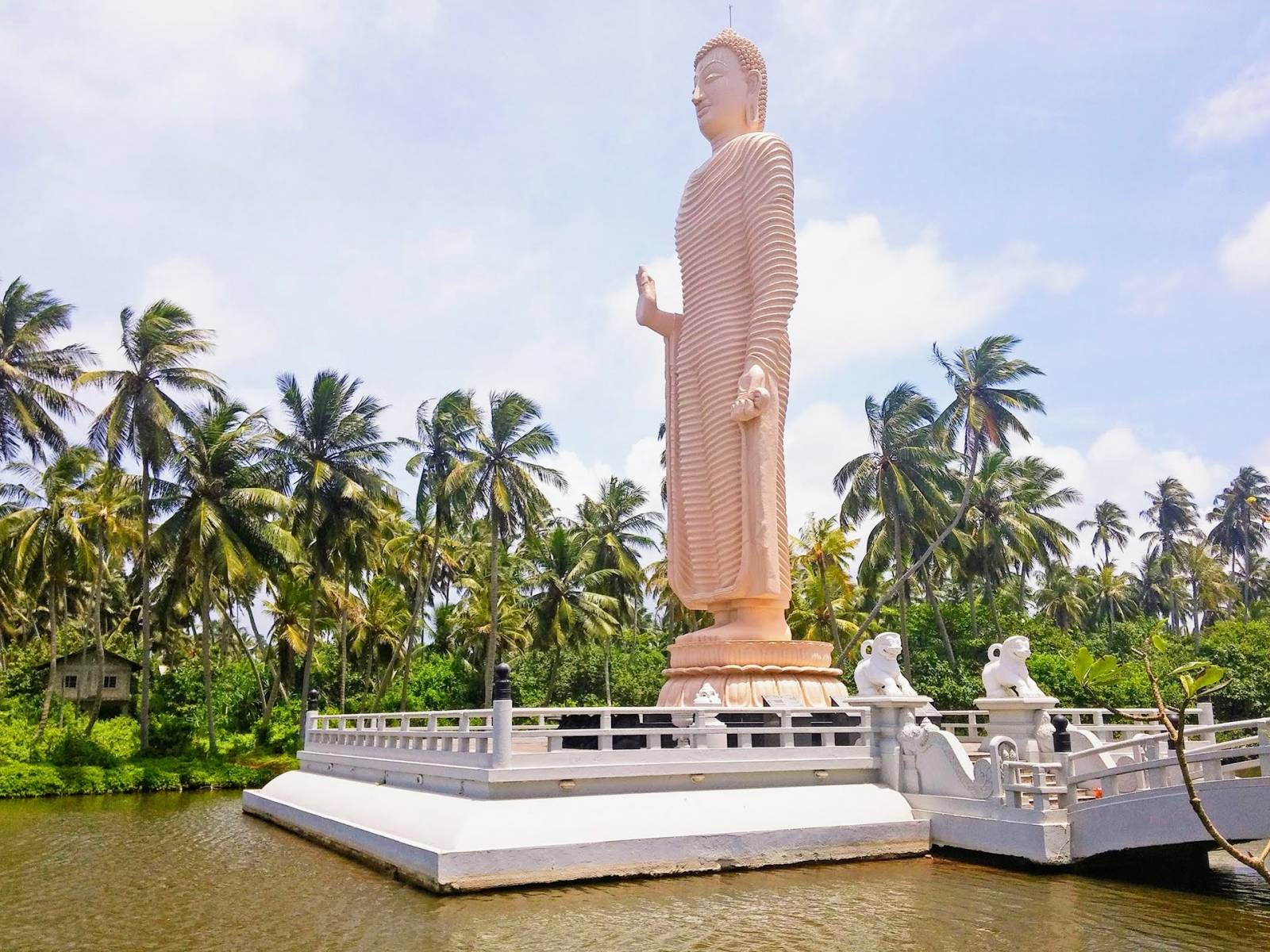
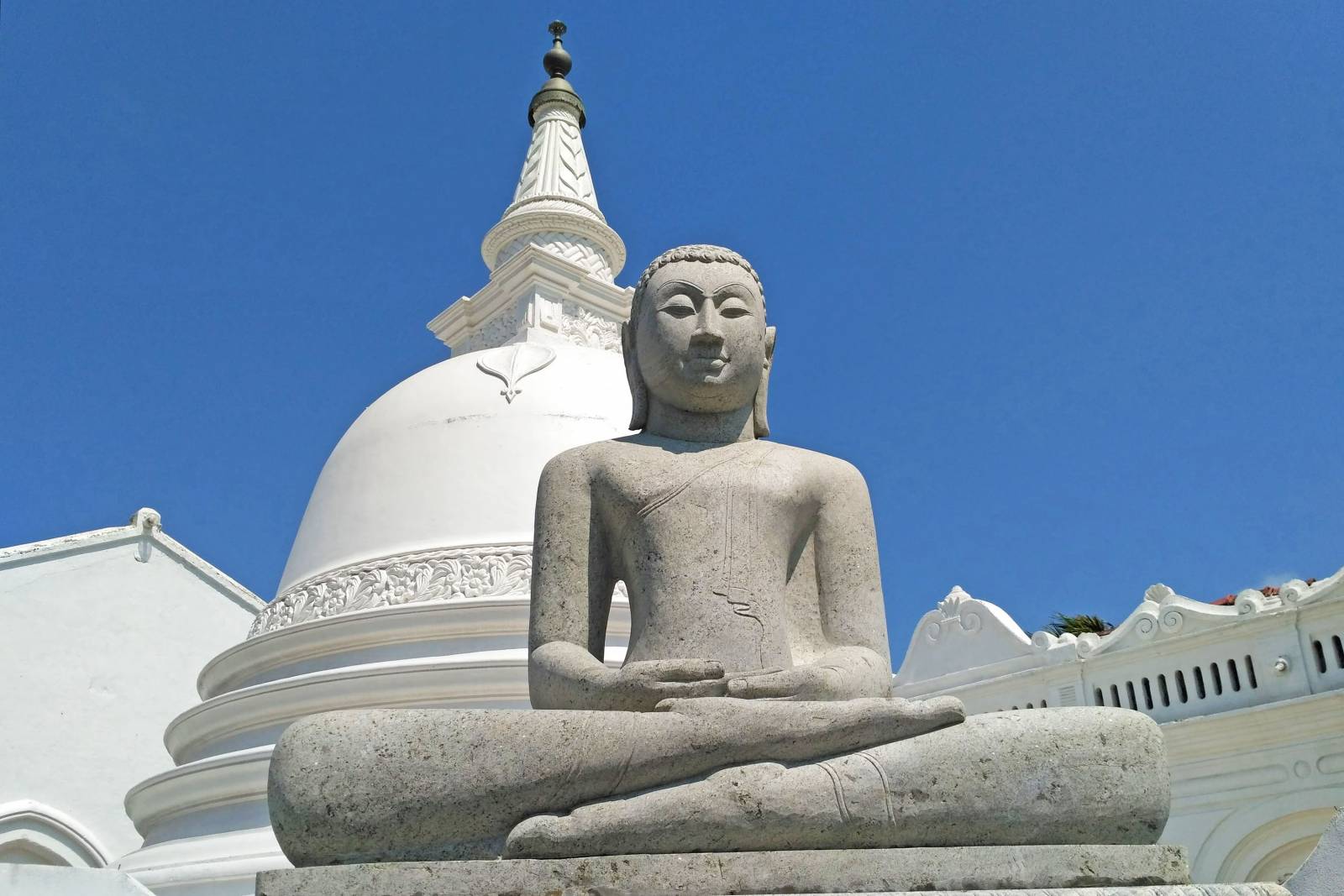
There are Buddhist temples in and around Hikkaduwa. One frequently mentioned site is Totagamuwa Rajamaha Viharaya north of town, known for Buddha statues, murals and wooden details. It is a working religious site, not a tourist set: wear clothing that covers shoulders and knees, remove shoes where required, do not photograph people or rituals without permission and keep your voice low.
You can ask a tuk-tuk driver for a short trip to one temple, but agree on the price, waiting time and return route before setting off. There is no need to fill one day with several temples. One calm visit made with respect is usually more rewarding than a long list of stops.
Lagoons and nature around the resort
There are lagoons and lakes as well as the ocean. Hikkaduwa and Ratgama are suitable for observing mangroves, birds and coastal landscapes, while a boat trip offers a slower pace after the beach. Do not interpret descriptions of “hermit islands” or “wild nature” as permission to land anywhere: the route, accessible areas and rules depend on the boat operator and conservation status.
Before a boat trip, ask whether insurance is included, whether every passenger has a life jacket, how long the route takes, where you may leave the boat and whether the trip is cancelled in strong wind. Do not throw plastic into the water, disturb birds or ask the captain to approach wildlife for a photograph. Mangrove ecosystems benefit from small groups and careful movement.
Getting around
Hikkaduwa is easy to explore on foot along the beach and main road, but the resort’s different stretches are not right next to each other. A tuk-tuk is useful for short trips, while a car with a driver works better for Galle, Ambalangoda, lagoons and several stops in one day. Agree on the route before getting in: “somewhere nearby” can mean different distances and prices.
The coastal railway line runs through the area, so the train can be a practical alternative to the road for Galle or Colombo. Check the current timetable at the station or with the railway, allow for delays and keep your luggage with you. You do not need a train for a walk around town, but the ride to Galle can be part of the experience.
Shopping and souvenirs
Small shops line the main road, while markets sell fruit, fish, spices and everyday goods for local residents. Tourist shops offer batik, jewellery, masks, antiques and woodwork. Do not accept the word “antique” without questions: ask about origin and material, request documents when a seller makes a historical claim and avoid items whose export may be restricted.
Ambalangoda to the north is known for its wooden-mask and puppet tradition. It is a separate cultural stop rather than a compulsory part of a beach day. If you are interested in precious or semi-precious stones, coastal shops and excursions may mention moonstone, but compare descriptions, certificates, return terms and the final price. A mine or workshop demonstration is not a guarantee of the quality of every item on sale.
Check the size and packaging before buying, especially for fragile goods. Wood is vulnerable to impact and prolonged damp, while stones should come with a receipt and relevant documents. Polite bargaining is not appropriate everywhere; do not pressure a small workshop and ask before photographing a seller or the making process.
Ayurvedic treatments and massage
Hikkaduwa has salons and clinics offering Ayurvedic treatments, massage, steam and heat programmes. The old indication of a fixed price of about 30 dollars and a two-and-a-half-hour session is no longer a reliable recommendation: price, treatment and practitioner qualifications vary. Before starting, ask exactly what is included, how long it lasts, the full price and any contraindications.
An Ayurvedic treatment does not replace diagnosis or medical care. Tell the practitioner about allergies, pregnancy, chronic conditions and medication, and decline if you are unsure. Choose a place with a clear name, appropriate registration or licensing, clean rooms and transparent conditions. Do not accept pressure or treat claims to “cure” a disease as medical evidence.
Restaurants and evenings
The resort offers fish, seafood, curries, rice, Western food, fruit and drinks. Near the water, choose a place by its current menu, hygiene and recent feedback rather than an old guidebook name. Ask about portion size, spice, ice and the final price before ordering.
A beach bar or restaurant can depend on tide, weather and season. Keep your phone and bag with you, do not enter the sea at night and return to your accommodation on a lit road or in pre-arranged transport. Hikkaduwa can suit a quiet dinner or a livelier evening; the character depends on the exact area and day of the week.
A half-day trip to Galle
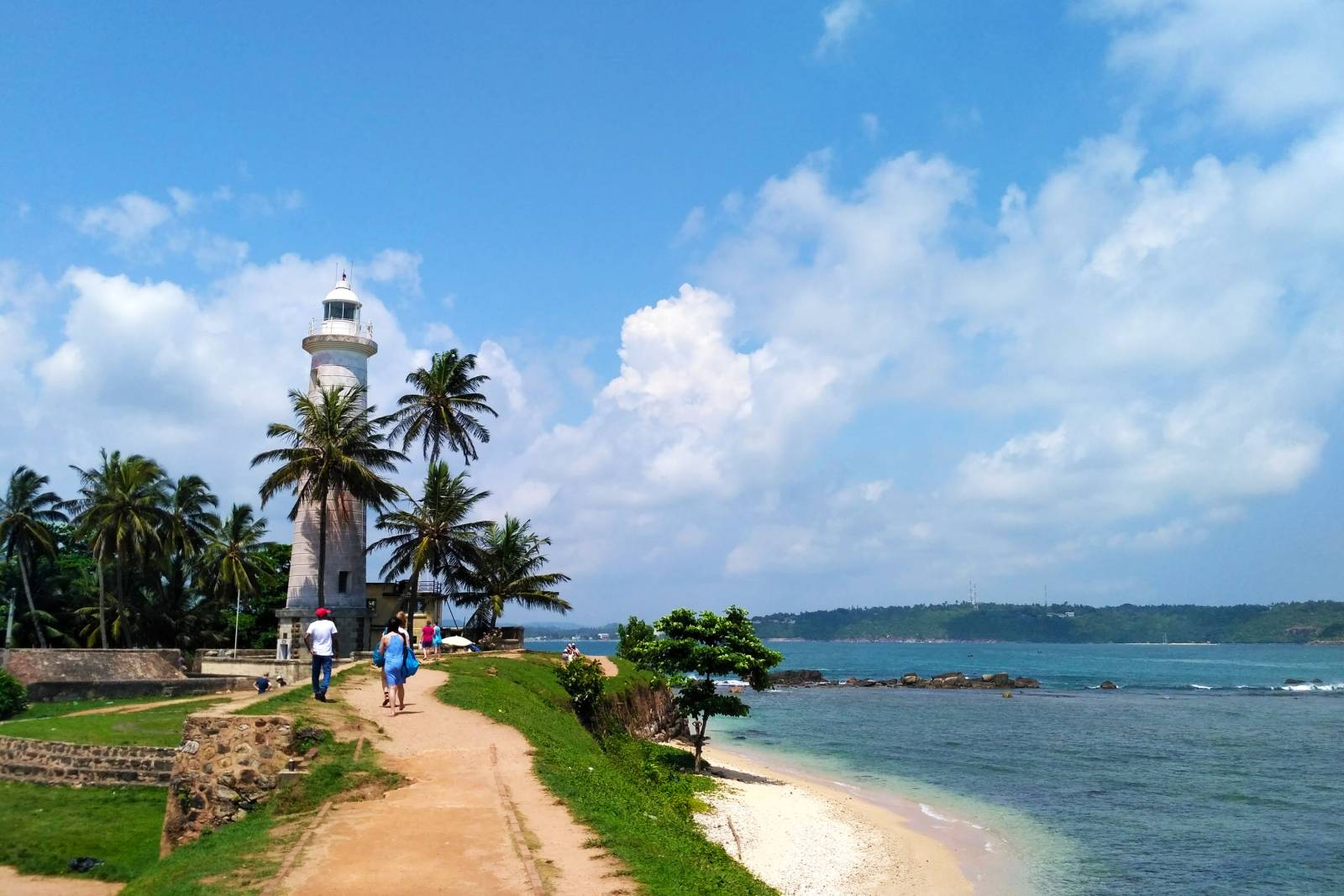
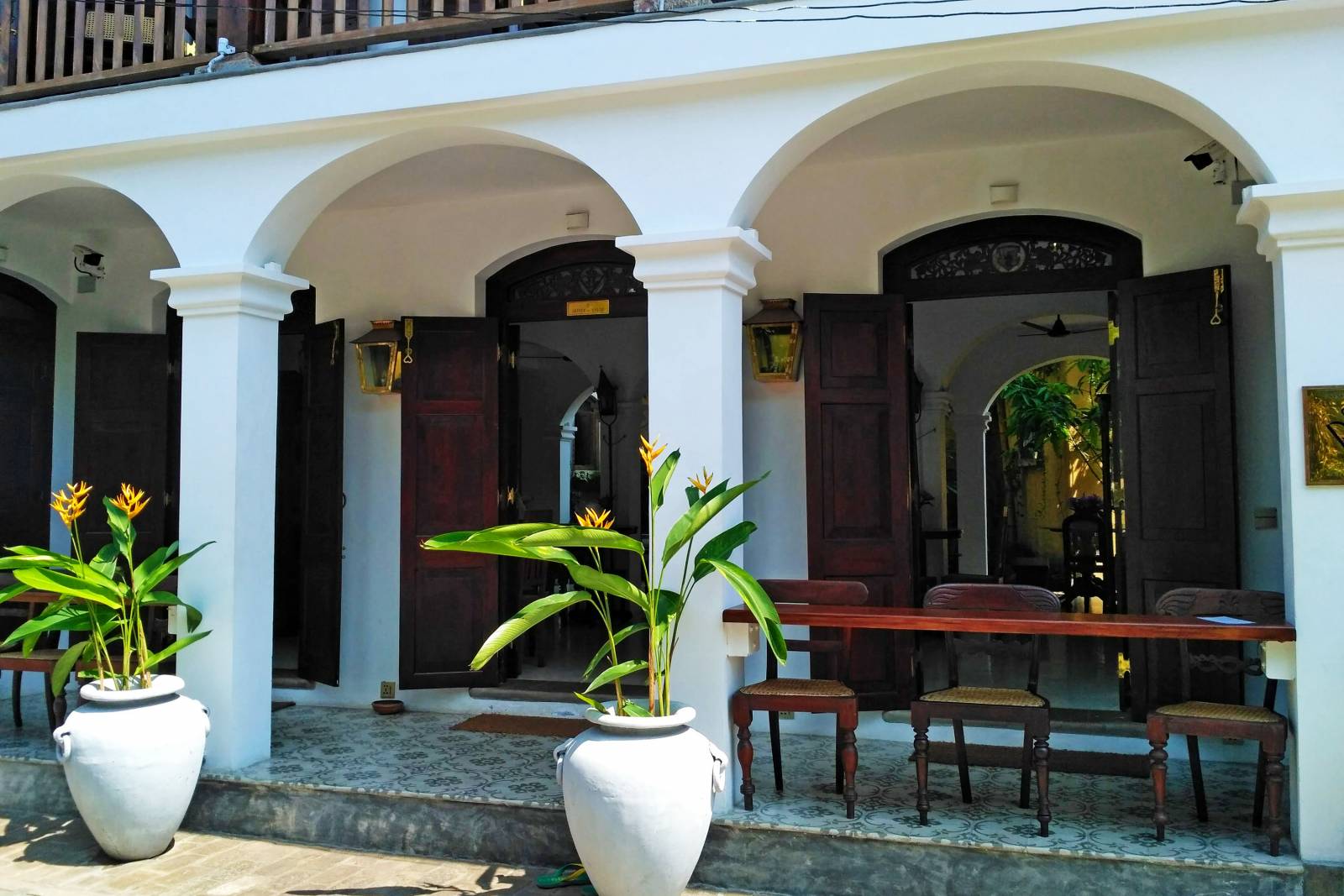
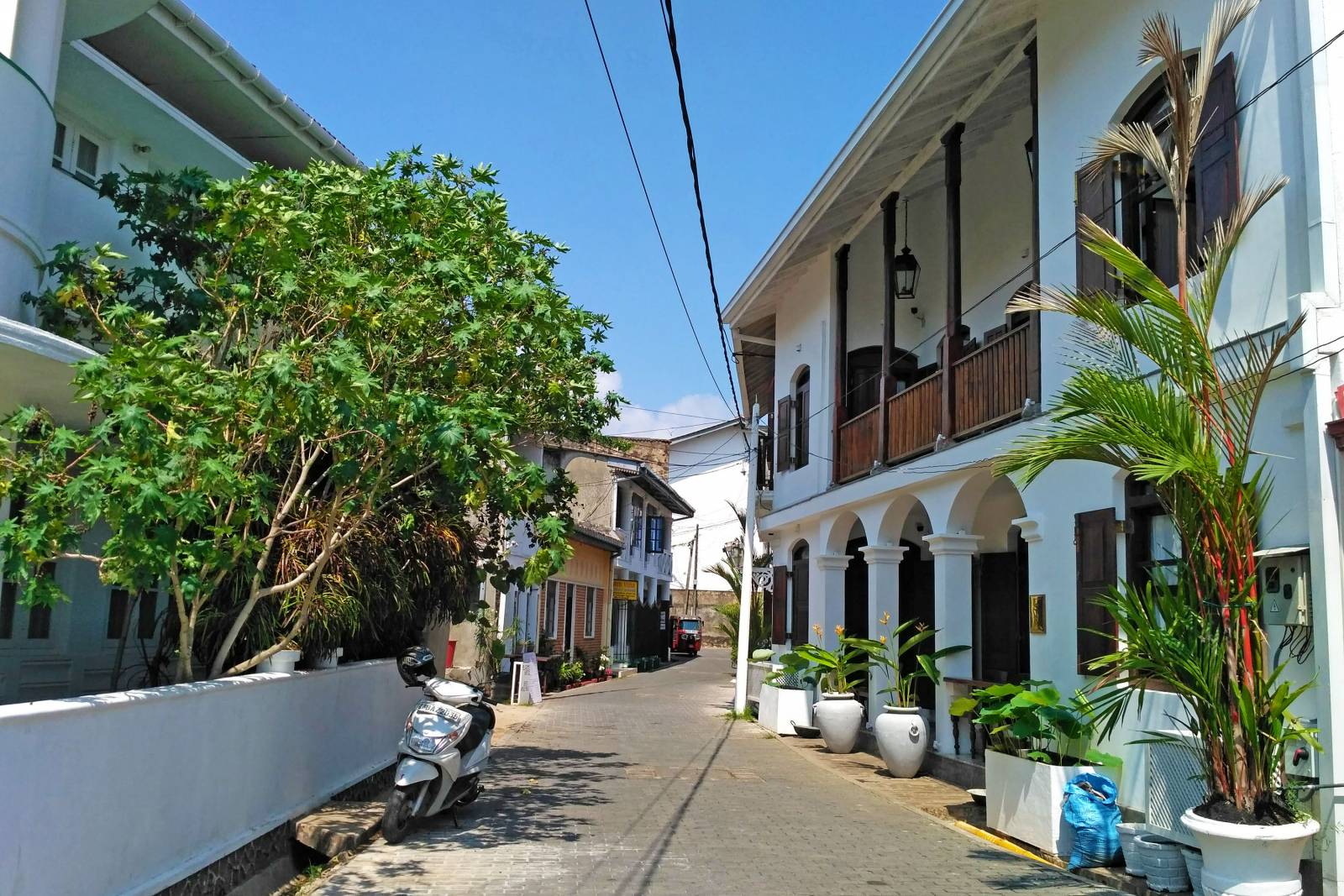
About 14 km south is Galle, with its historic fort, ocean-facing walls, cafés, galleries and museums. Older descriptions called it a “Danish fort”, but the fortifications are principally connected with the Portuguese and Dutch periods. It is a UNESCO World Heritage site and a living urban district, so allow at least half a day to explore it properly.
From Hikkaduwa you can reach Galle by train, bus, tuk-tuk or car. The train is interesting in its own right, but check the current timetable and expect the journey to take longer or shorter than planned. Inside the fort, respect museum and temple rules, avoid unsafe sections of the walls and plan for heat with water, a hat and regular breaks.
Sources: Sri Lanka Tourism: Hikkaduwa; Sri Lanka Tourism: Hikkaduwa Beach; Department of Wildlife Conservation: marine tourism; Sri Lanka Tourism: registered tourist shops; UNESCO: Galle Fort.
Read also
All articles
Things to Do in Sri Lanka: Ideas, Seasons and Planning
A practical guide to Sri Lanka: culture, wildlife, beaches, safaris, hiking, food, markets, wellness and itineraries shaped by season and real conditions.
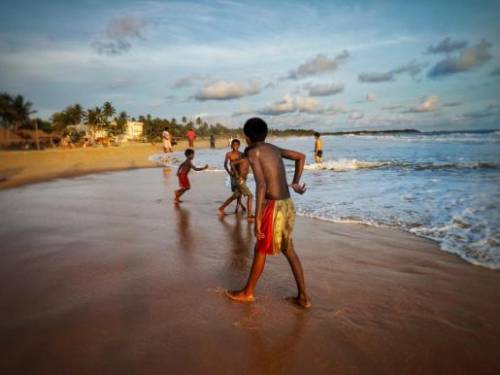
Hikkaduwa - one of the major tourist centers of Sri Lanka
Hikkaduwa beaches, surfing, diving, seasons, water safety, food, fruit, accommodation and trips along the south coast of Sri Lanka.
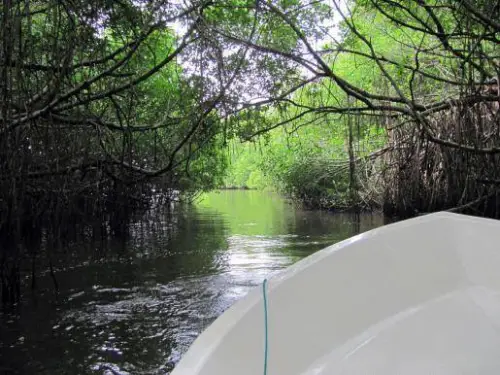
Holidays in Bentota, Aluthgam, Beruwell. Beaches and attractions.
When the river meets the Indian Ocean, it's already a miracle. And if this river is located in a resort village, then pack your bags.…
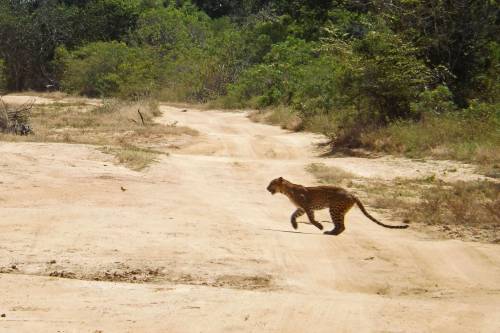
Yala National Park
Yala National Park is among Sri Lanka's best-known wildlife parks. Dry forests, lagoons, coastline and a rich animal world meet here, but a good safari…
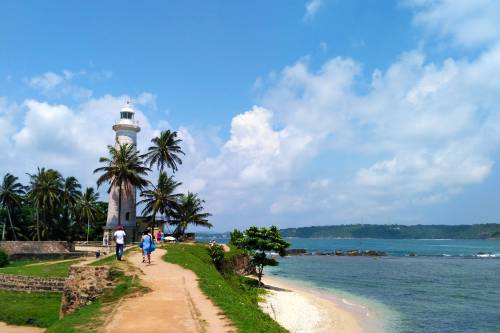
Galle Fort - colonial sea fortress of Sri Lanka
A practical guide to Galle Fort: history, ramparts, museums, lighthouse, transport, UNESCO protection and respectful visiting in a living historic town.
The best surf spots in Sri Lanka
A practical guide to Sri Lanka surf spots: choose the coast by season, compare Weligama, Hikkaduwa and Arugam Bay, and check conditions and safety before…

Comments
Share your thoughts or ask a question about this article.