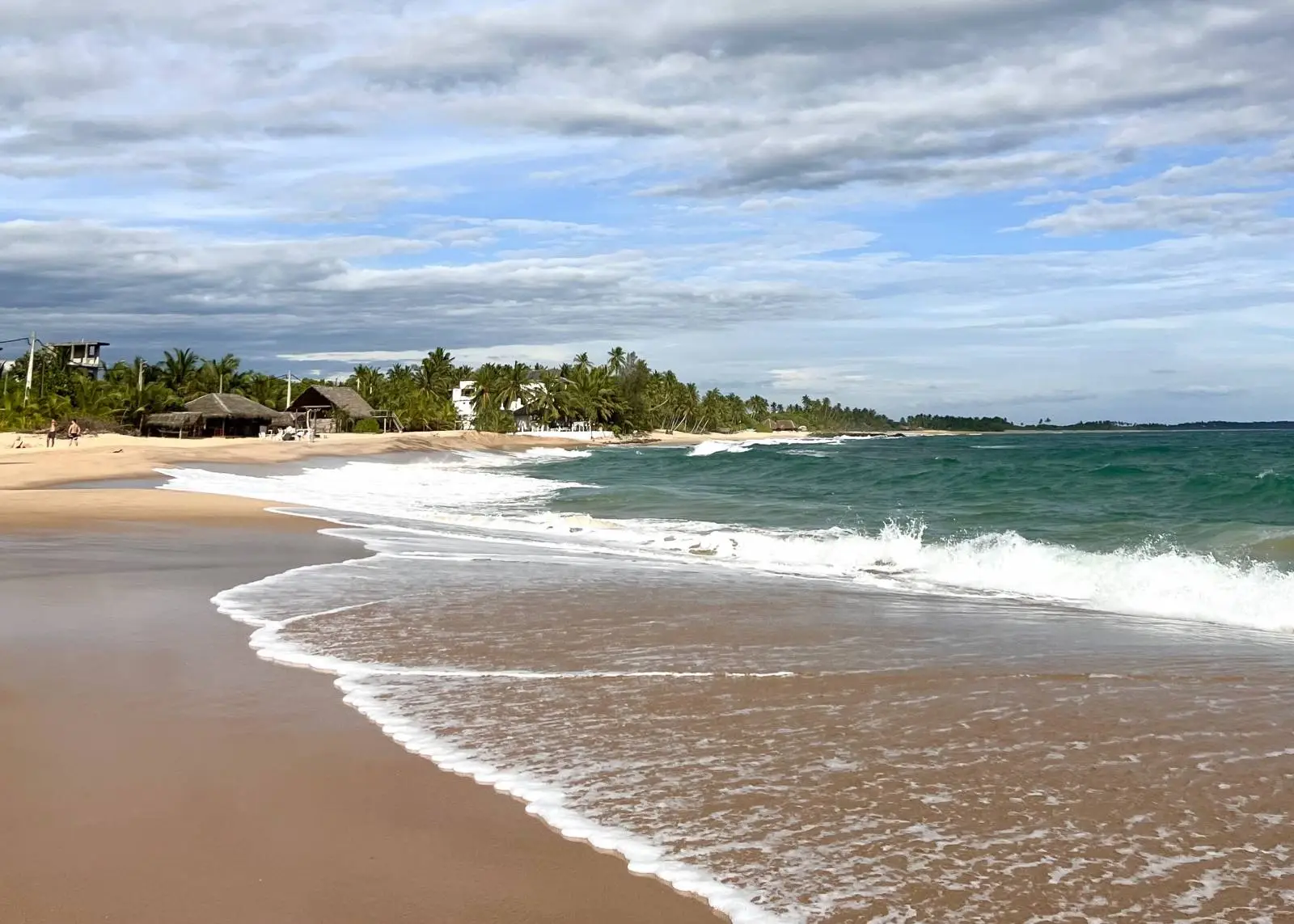
Trincomalee is a port city on Sri Lanka’s east coast. It stands on a peninsula that separates the inner and outer harbours. Travel and historical sources use the names Trincomalee, Thirukonamalai, Gokanna and Gokarna. The city is worth more than a quick stop: a large harbour, a Hindu temple on a rocky promontory, a colonial fort, long beaches, sea excursions and everyday life on the east coast all meet here.
Plan Trincomalee as a small area for several different days rather than a single attraction to tick off. The town is useful for history and temples, Uppuveli keeps you closer to cafés and transport, and Nilaveli offers a quieter beach rhythm. A trip to Pigeon Island, whale watching or diving needs separate time and depends on sea conditions, visibility, season and the operator running the excursion.
The harbour and the city
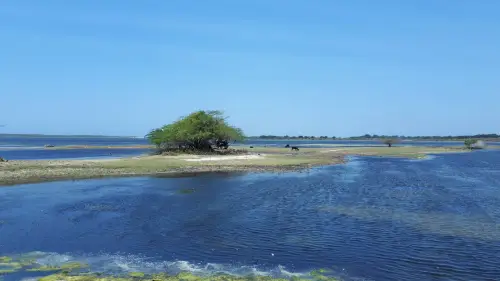
Trincomalee harbour is one of the reasons the city has mattered for centuries. It is large, deep and sheltered, which attracted trading and naval vessels. Parts of the coastline are still connected with port and military infrastructure. Not every attractive shore or jetty is open to visitors, so follow signs, do not photograph restricted facilities and never use a closed area as a shortcut.
The town feels quieter than Sri Lanka’s major southern resorts. Tamil, Sinhalese and Muslim cultural influences are visible in its streets, shops, markets, cafés and religious buildings. Opening hours and services change, so collect cash, medicines and supplies in town before heading to a remote beach if you are staying there overnight.
Religious heritage and Koneswaram Kovil
Koneswaram Kovil stands on Konesar Malai, also known as Swami Rock, and is dedicated to Shiva. Sri Lanka Tourism describes it as an important classical-medieval Hindu temple and a pilgrimage site. The temple sits above the ocean, so a visit combines a religious place with a broad view over the bay.
The history of the site includes archaeological remains, colonial destruction, rebuilding and religious traditions. Stories about Ravana or the origin of the shrine should not be presented as proven historical facts: tourist material often combines different layers of history and legend. For visitors, the practical point is that the temple remains an active religious place. Wear clothing that covers shoulders and knees, remove shoes where requested, keep your voice low and ask before taking photographs inside.
Fort Frederick and the colonial period
Fort Frederick guards the headland at the harbour entrance. The present fort grew from earlier fortifications: official tourism material points to Portuguese construction in the seventeenth century, followed by Dutch and British control. Calling it simply “the largest Dutch fort” is therefore misleading. The fort area also contains religious places, military facilities and roads with restricted access.
The open part of the fort takes less time to explore than the temple trip, but do not turn the walk into a search for closed viewpoints. Stay behind barriers and avoid photographing military infrastructure. Stones and steps can become slippery after rain, while the morning is more comfortable in the heat. Allow at least an hour for a relaxed visit and combine it with Koneswaram and the ocean view.
Beaches: Uppuveli, Nilaveli and Marble Beach
Uppuveli is closer to Trincomalee and suits travellers who want to combine the beach with town services. It is easier to find cafés, accommodation and transport, although some stretches may be busier. Nilaveli is farther away and is often chosen for its long sandy beach and slower pace. Before booking, check the distance to town, evening transport, internet, air conditioning and secure storage for valuables.
Marble Beach and smaller bays can make attractive stops, but access and visitor rules depend on the particular stretch of coast. Do not treat the phrase “shallow water” as a safety guarantee: depth, currents, waves and the seabed change. Swim only where it is permitted and where you understand the conditions, avoid going far out alone and never enter the sea after drinking alcohol.
Pigeon Island: snorkelling in a protected area
Boat trips to Pigeon Island National Park usually leave from the Nilaveli area. This is not simply an empty beach but a protected natural area with entry rules and prescribed fees. Confirm the permit, fee, route, time on the island and access to marine areas with the operator and through current Department of Wildlife Conservation information before paying.
Snorkelling depends on waves, visibility, tide and crowding. Even calm-looking water does not make a reef safe for careless movement: do not stand on coral, touch animals or collect shells. Check that every participant receives a suitable life jacket or other required equipment, that the boat is not overloaded and that the crew explains the return plan. If the sea deteriorates, postponing the trip is better than forcing a photograph.
Whale watching and boat trips
Trincomalee is one of the Sri Lankan areas where whale- and dolphin-watching trips are offered. This is observation in open water, not an attraction with a guaranteed result: animals may not appear, the route may change and a departure may be cancelled in poor conditions. Timing varies with species, migration and the sea, so ask the operator for current conditions instead of relying on an old advertising phrase.
Choose a registered tourism business and ask about life jackets, vessel capacity, insurance, toilets, approach rules for wildlife and refunds if the trip is cancelled. Do not pressure the captain to chase whales for a photograph and do not throw food or plastic overboard. If you get seasick, use only a medicine you already know and follow its instructions; choose a seat with less movement.
Kanniya Hot Springs
The seven Kanniya hot springs lie near Trincomalee and are traditionally treated as a place of leisure and pilgrimage. The pools are arranged inside an enclosed complex, and bathing is controlled on site. Entry conditions, opening times, access to individual pools and sanitation requirements can change, so check before travelling.
Do not describe hot water as medical treatment or stay in it longer than feels comfortable. If you have cardiovascular disease, pregnancy, blood-pressure problems or feel unwell, ask a doctor in advance. Bring water, light clothing and a towel, respect queues and follow local religious rules. Do not use soap, shampoo or other products in the pools.
Diving, fishing and other activities
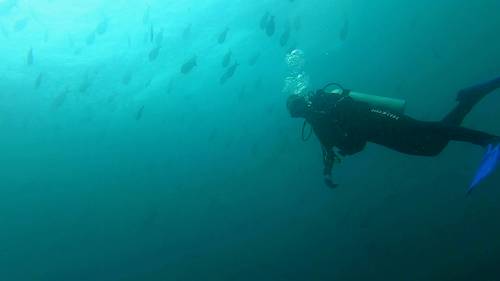
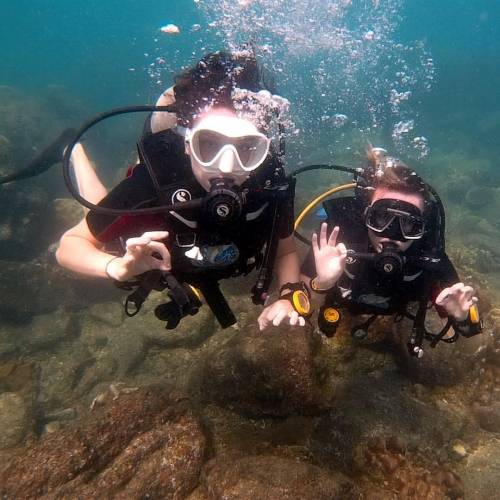
The Trincomalee area offers diving, snorkelling, fishing, kayaking and boat trips. Each activity has different requirements: a beginner needs a calm site and clear briefing, while an experienced diver should ask about depth, current, visibility, emergency planning and equipment condition. Ask what the price includes, who is responsible for safety and what happens if the weather worsens.
Tell the operator about relevant medical conditions and your actual experience. Do not dive after drinking, touch coral or remove objects from the seabed. Fishing should respect seasons, permitted gear and marine conservation. SLTDA publishes requirements and guidance for water-based tourism activities; registration does not remove your responsibility to inspect the particular boat and safety plan.
When to go
Travellers often plan the east-coast beach and sea season for the drier months, roughly May to September, but this is not a fixed weather timetable. At other times, rain, stronger wind, poor visibility and cancelled boat trips are possible. Marine-tourism planning for Trincomalee shows that activities have different seasonal windows: a good beach month does not guarantee good diving visibility or a successful whale-watching departure.
Check the forecast, sea warnings and the operator’s message before travelling. Mornings are often more comfortable for active plans, while the hottest part of the day works better for a museum, café or shaded rest. In the dry season, book Nilaveli accommodation early if you need a particular budget or beachfront location. In the shoulder season, keep a spare day in the itinerary in case a boat cannot leave or a remote beach road becomes difficult.
A practical three-day route
On day one, stay in Trincomalee or Uppuveli, walk through town, visit Koneswaram Kovil and explore the open part of Fort Frederick. Do not add a long trip to another beach on the same day: the headland and the heat already provide a full schedule.
Use day two for Nilaveli and Pigeon Island if the sea is calm and the boat is confirmed. If visibility is poor, postpone the island and spend time on the beach, at Kanniya or walking through local neighbourhoods. Day three can be used for whale watching, diving or a free beach morning. Choose one main sea activity rather than combining an early boat departure with a tiring long drive.
Practical checklist
Before booking, confirm the distance from your accommodation to the beach, transport after dark, attraction rules, forecast and cancellation policy for sea trips. Bring modest clothing and easy-to-remove shoes for the temple. For the beach, pack water, a hat, sun protection, repellent and a waterproof bag for documents. Keep some Sri Lankan rupees in town even if your accommodation accepts cards.
Tell somebody your boat or diving plan. Check that the crew has life jackets and communication with shore, that the vessel is not overloaded and that the bad-weather procedure is explained. In protected areas, do not feed wildlife, leave rubbish or leave marked routes without permission. Trincomalee is rewarding not because you can collect the maximum number of sights, but because harbour, faith, history and the eastern sea can be experienced side by side at an unhurried pace.
Sources: Sri Lanka Tourism: Trincomalee Port; Sri Lanka Tourism: Nilaveli and Uppaveli; Sri Lanka Tourism: Koneswaram Kovil; Department of Wildlife Conservation: national parks; Sri Lanka Tourism: whale watching; SLTDA: registration and water-activity guidelines; Sri Lanka Tourism: weather.